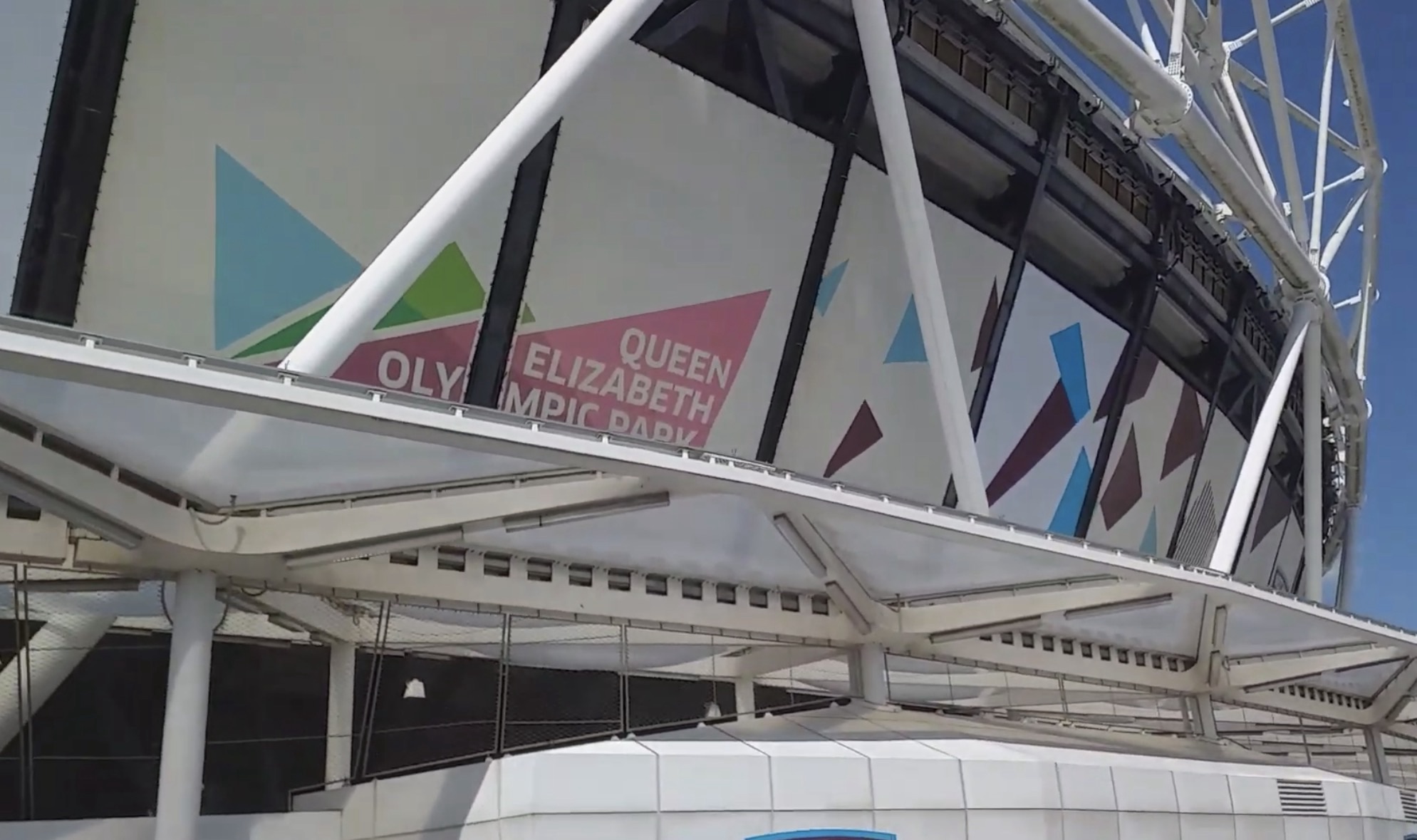
Queen Elizabeth Olympic Park is one of the few London parks where the story of the place is almost as important as what you can do there. It was built for a global sporting event, reopened as public parkland, developed into a residential district and has now gained a major cultural quarter. Yet between all that architecture, there are still wetlands, waterways, playgrounds and places where London feels surprisingly quiet.
That makes this a difficult park to describe as a conventional list of attractions. It makes more sense as a journey through what this corner of Stratford used to be, what London 2012 created and what has appeared since.
The interesting part of Queen Elizabeth Olympic Park in 2026 is seeing how a temporary global event became an everyday piece of East London.
First Came the Olympics
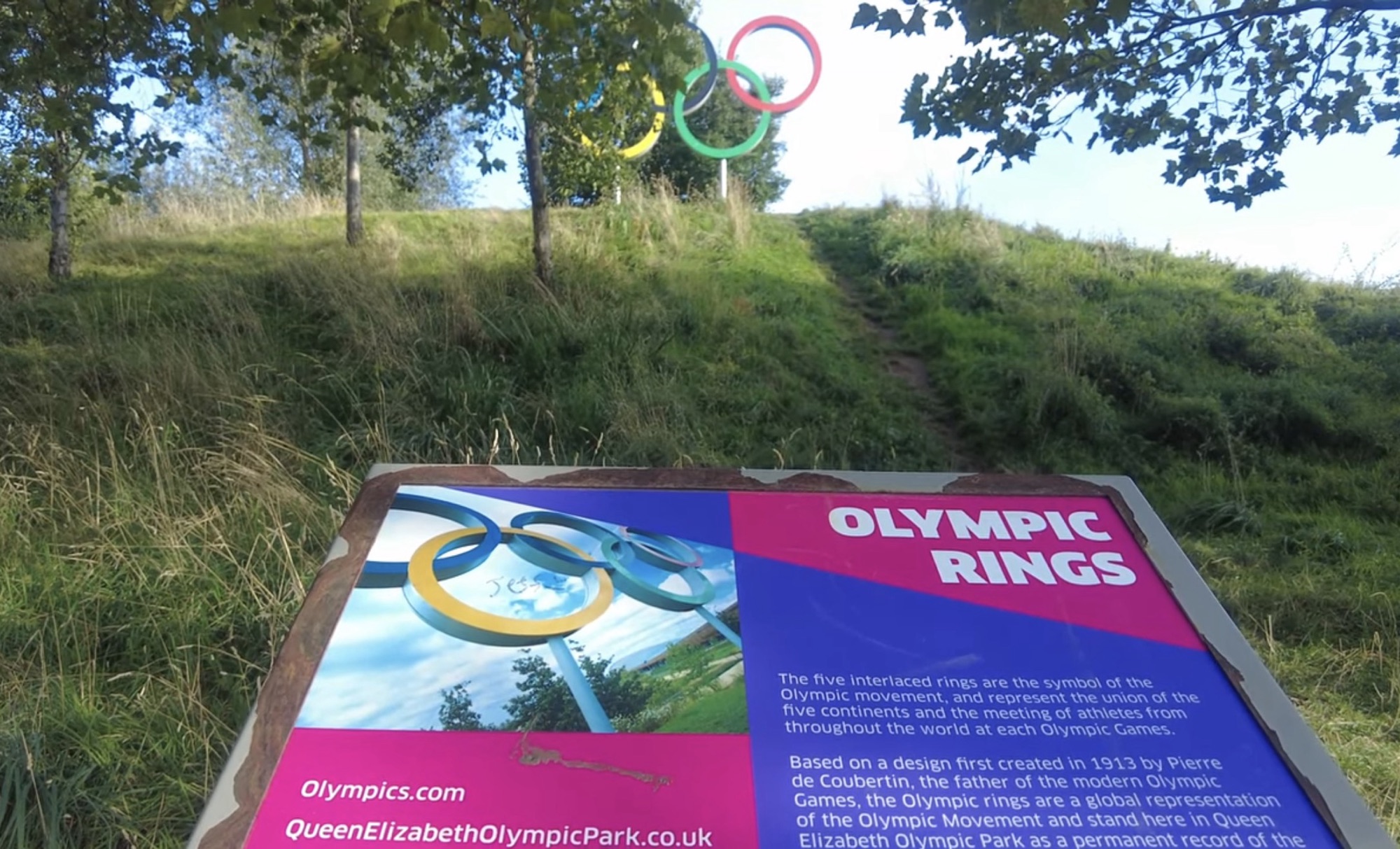
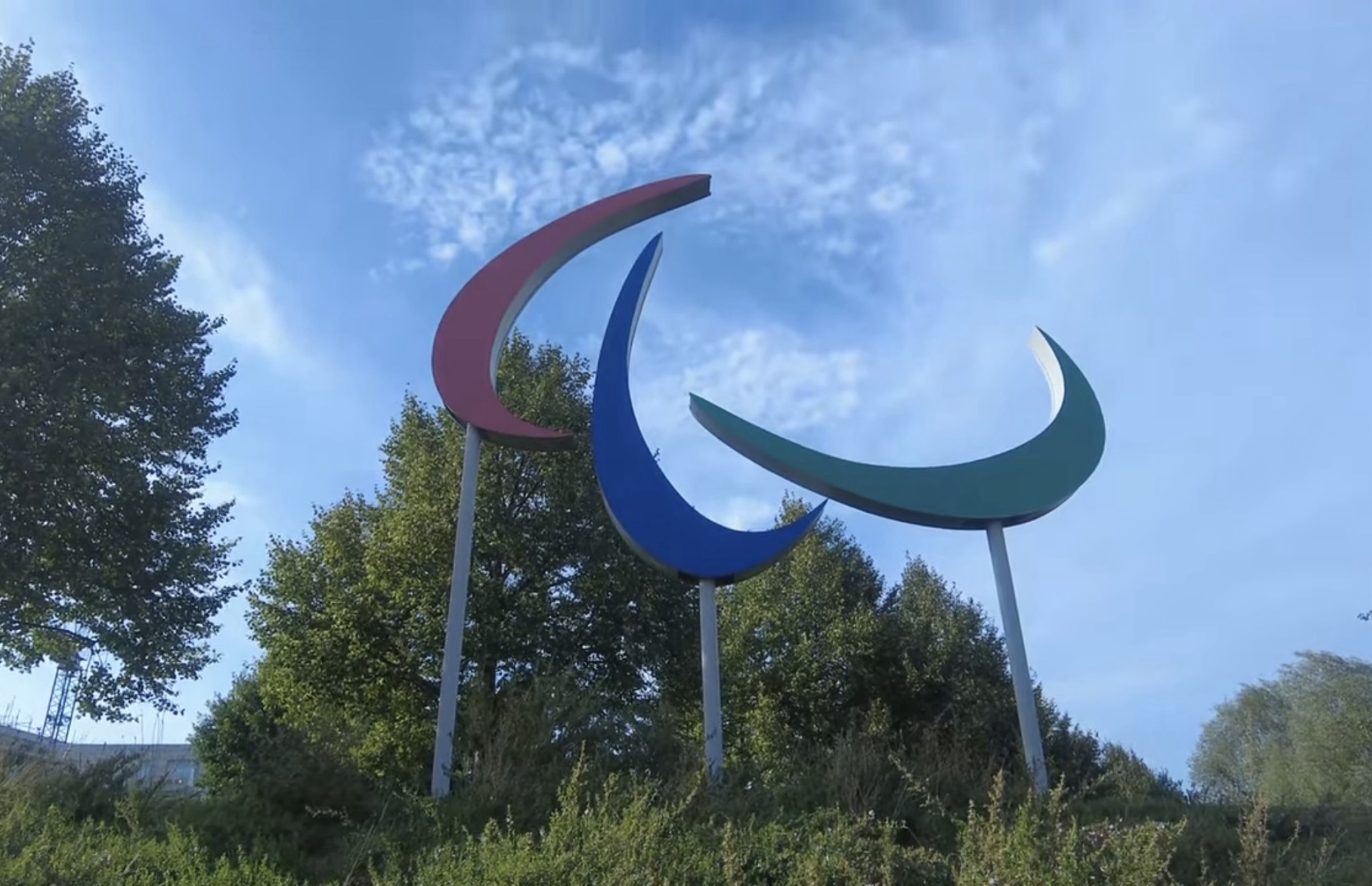
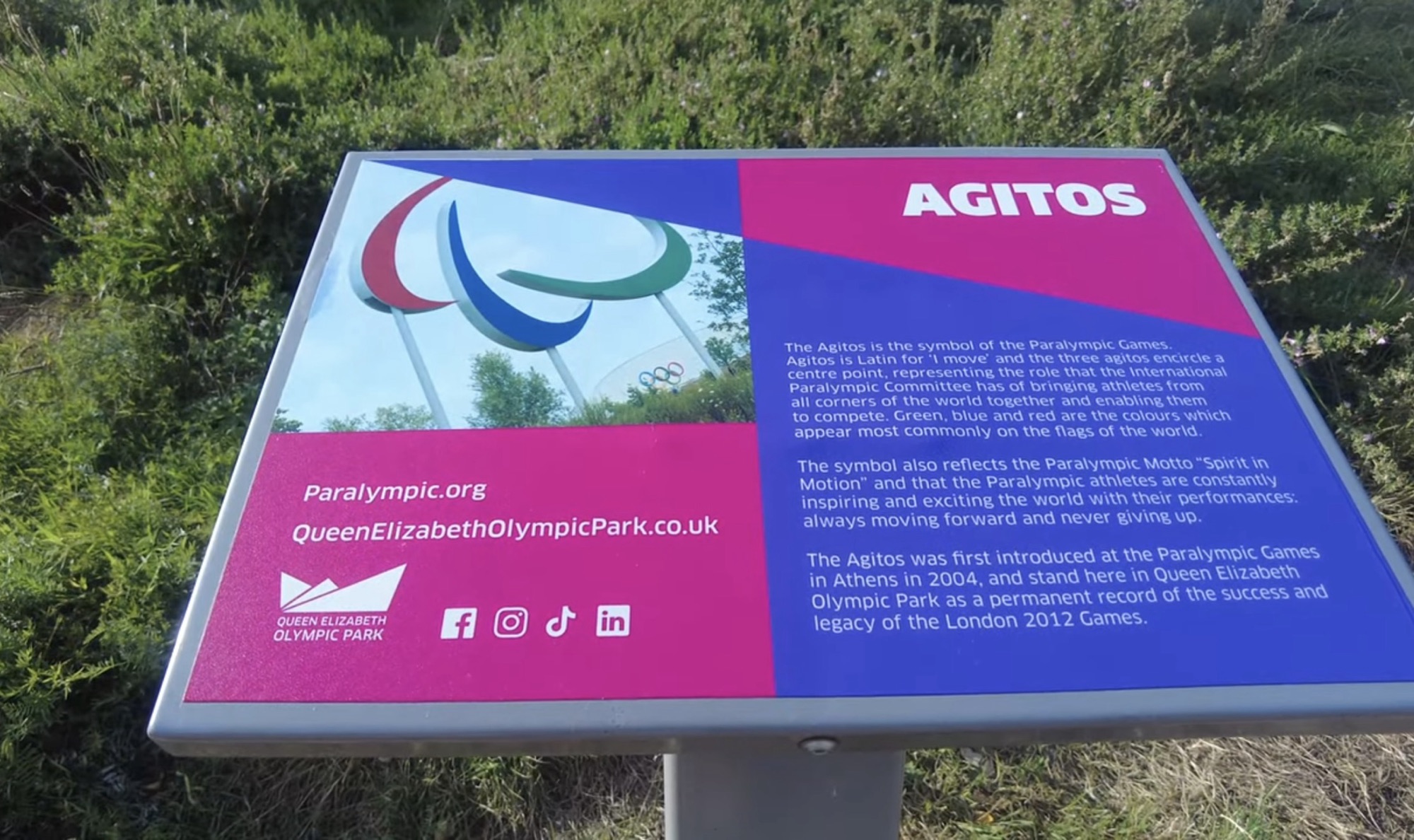
The easiest landmarks to recognise are still those created or transformed for the London 2012 Olympic and Paralympic Games.
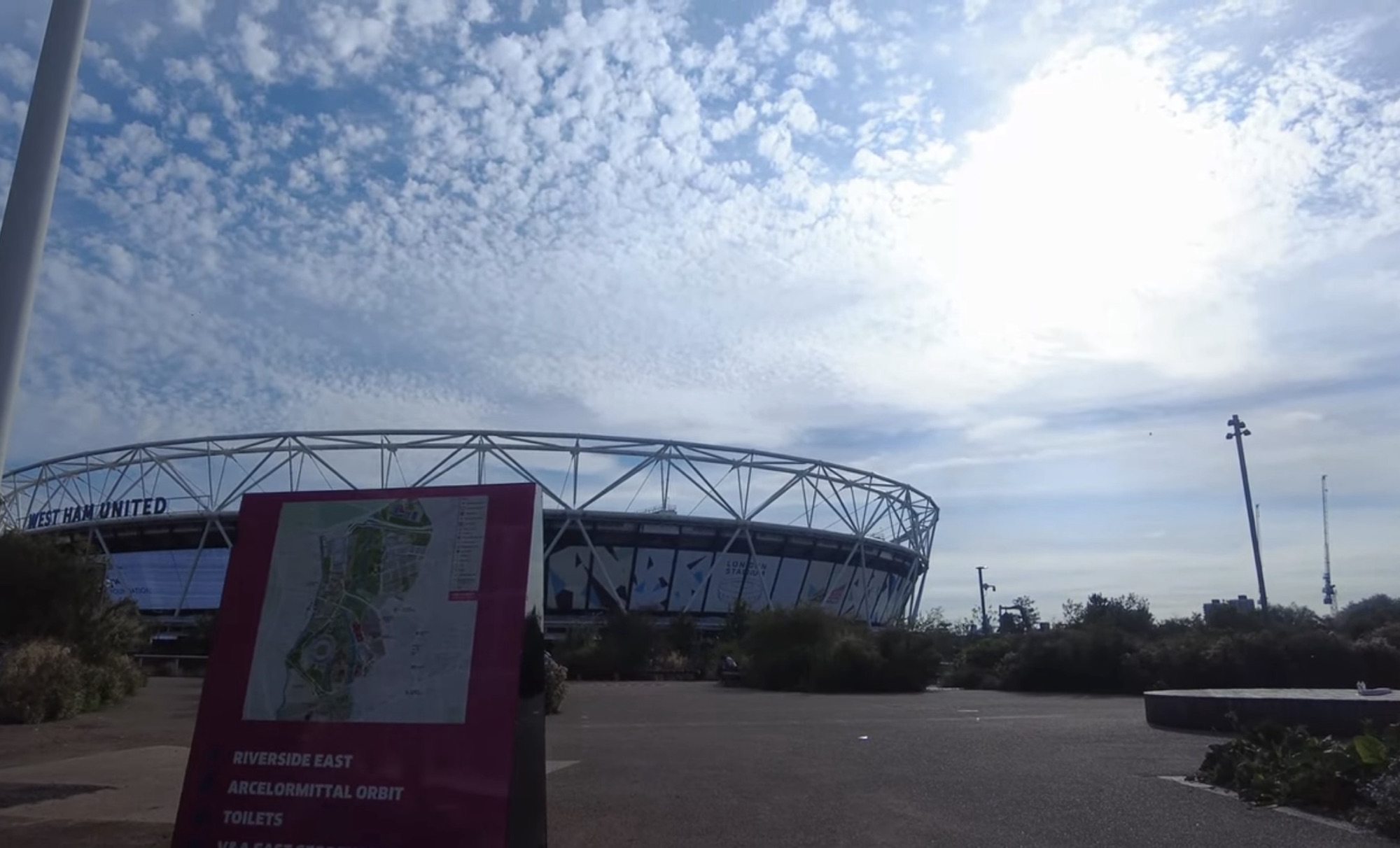
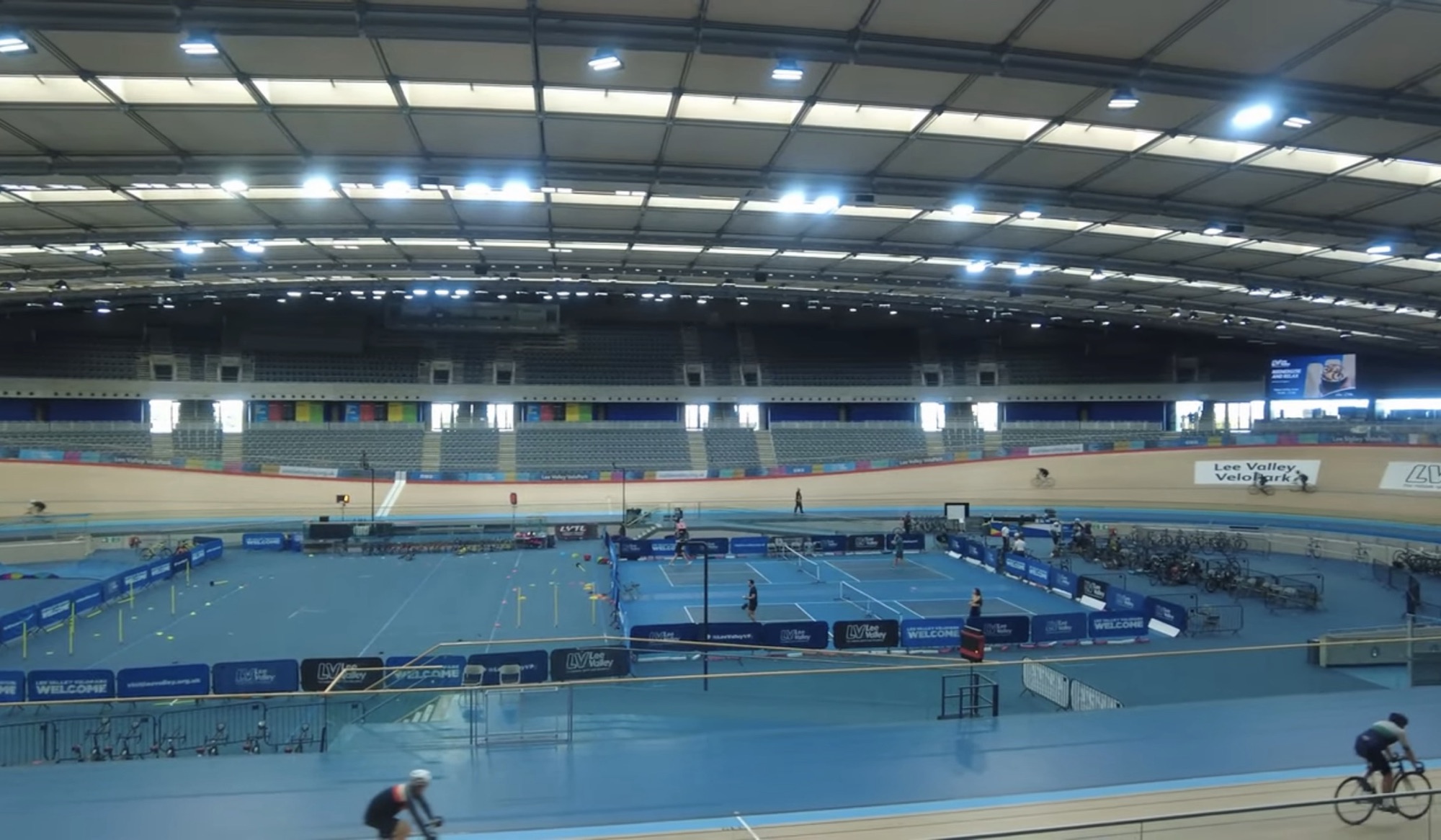
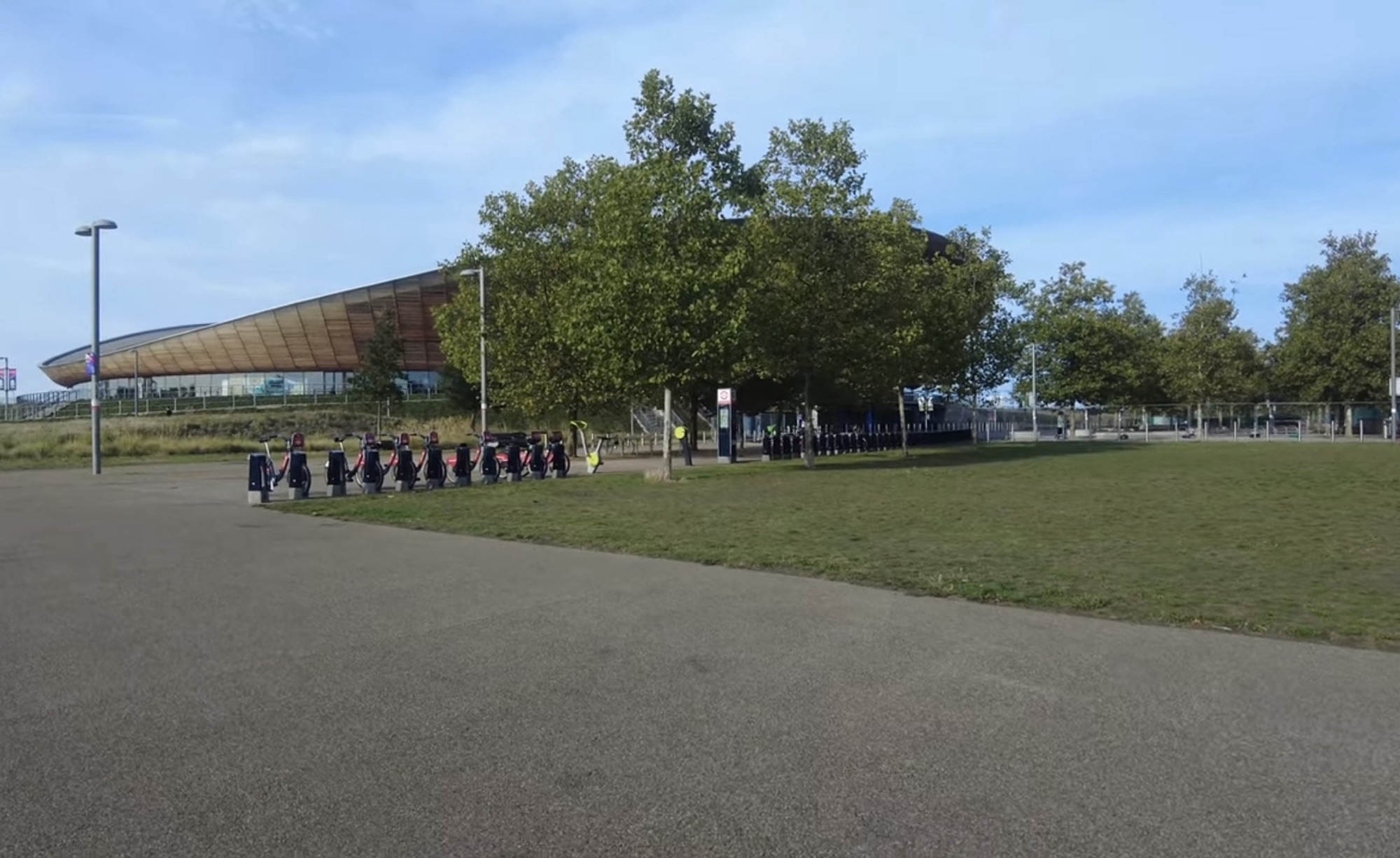
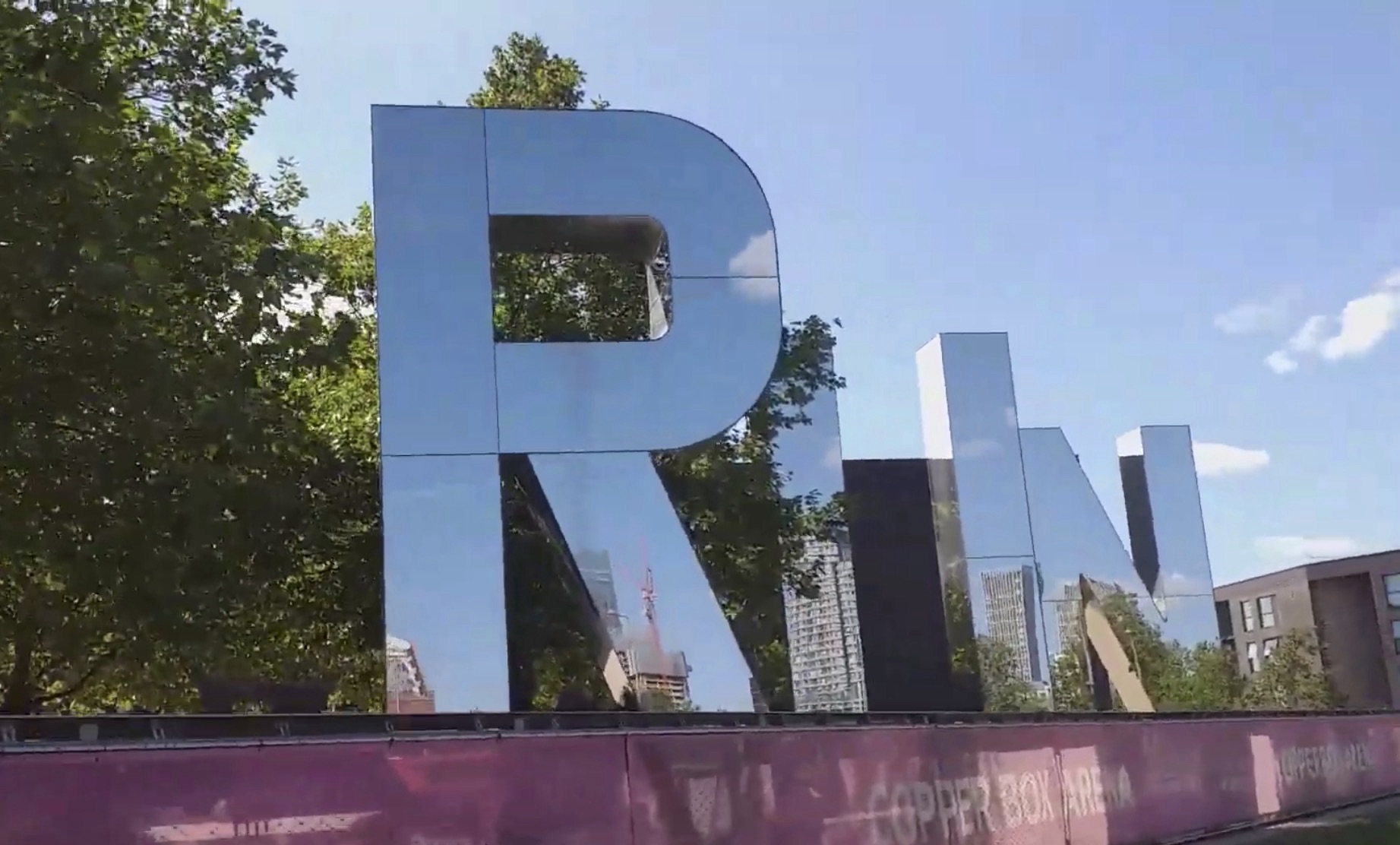
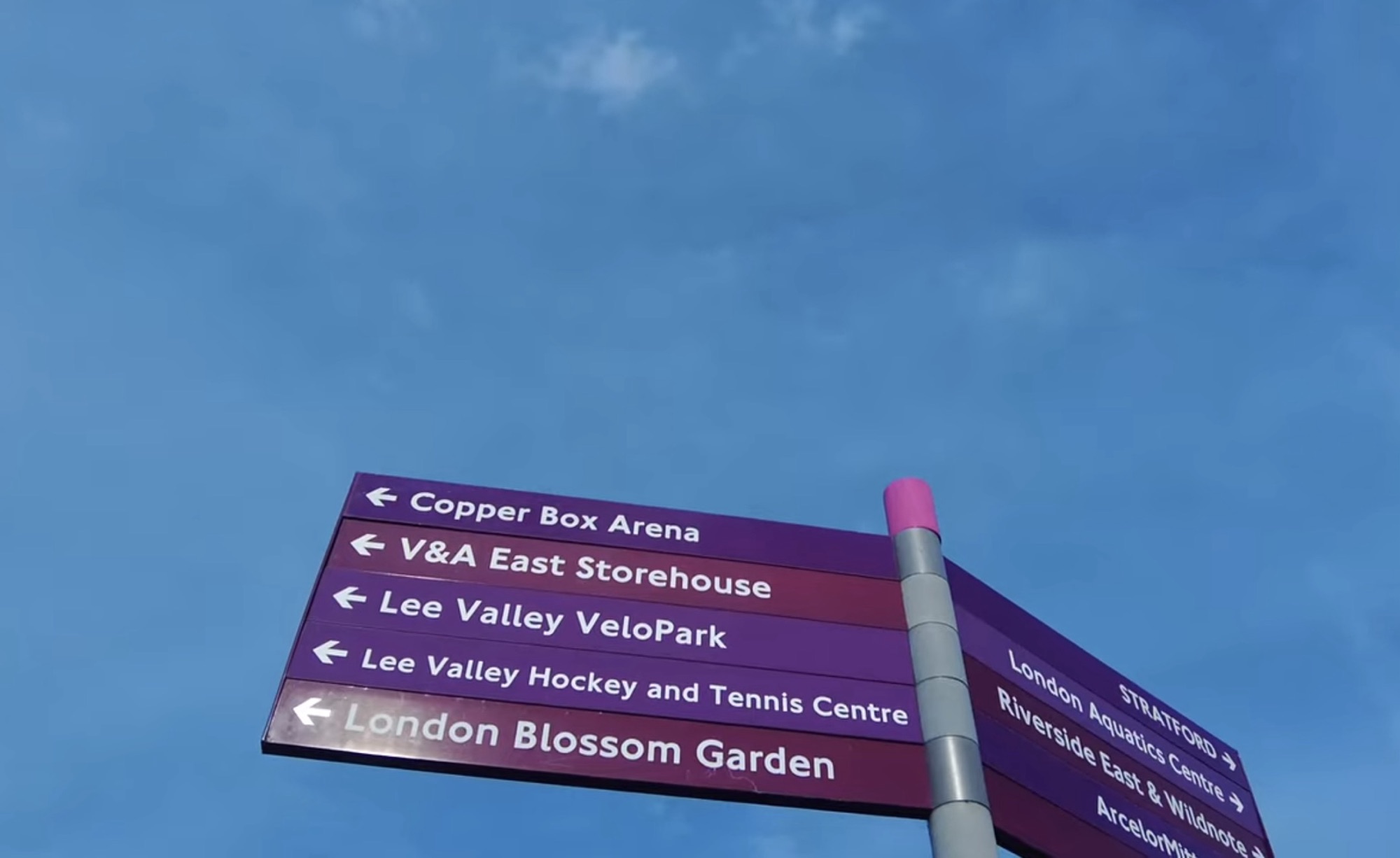
London Stadium dominates the South Park. Nearby, Zaha Hadid’s London Aquatics Centre retains the sweeping roof that made it one of the Games’ architectural signatures. Further north and east, the Copper Box Arena and Lee Valley VeloPark continue to connect the landscape with its sporting past.
But these buildings are no longer museum pieces.
You can still swim in the Aquatics Centre, cycle at Lee Valley VeloPark and attend sport or concerts at London Stadium. The strongest Olympic legacy here is continued use rather than preservation.
That changes the atmosphere. On one visit the stadium district can feel spacious and almost quiet; on another, tens of thousands of people may be arriving for football or a concert.
Event calendars therefore matter much more here than they do in most London parks.
Then Nature Was Put Back Into the Landscape
The surprise comes when you move away from the stadium.
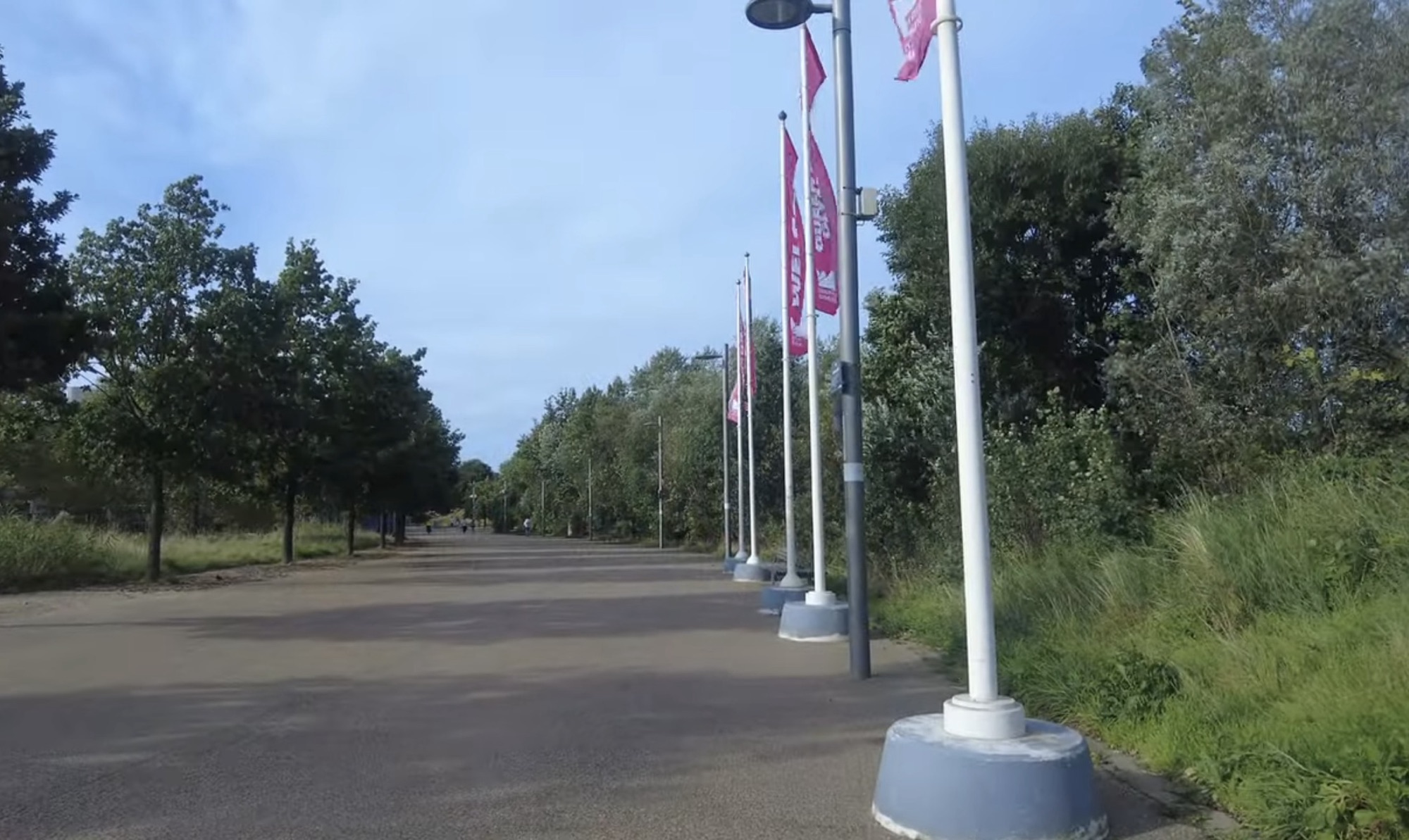
The North Park is greener, softer and much less monumental. Waterways, reed beds, meadows and wetland planting follow the River Lea and the Bow Back Rivers.
This was not simply decorative landscaping around Olympic venues. The waterways were restored and habitats were deliberately created as part of the transformation of the site.
The Waterways
The free Waterways Trail follows a 6.5km loop around five of the Bow Back Rivers.
The official estimated walking time is around 90 minutes, although stopping for wildlife, photographs or food easily makes it longer.
The Wildlife
Reed beds, wetland edges, meadows and woodland support birds, insects, amphibians and bats.
Early mornings and quieter sections of North Park show a very different side of Stratford from the busy transport interchange nearby.
The trail also passes Olympic landmarks, which creates one of the park’s most unusual combinations: regenerated urban nature with huge pieces of sports architecture appearing between the trees and waterways.
Then It Became a Place for Ordinary Family Days
You do not need any interest in Olympic history to make good use of the park.
For families, the strongest free attraction is probably Tumbling Bay Playground in the North Park.
Rather than a conventional collection of brightly coloured equipment, Tumbling Bay uses timber, sand, water, rocks, planting, treehouses, rope bridges and climbing structures to create an adventure landscape.
Tumbling Bay is currently listed as open. Adventure-play equipment can periodically close for maintenance, so the official visitor-information page is still worth checking before a journey made specifically for the playground.
South Park Has a Different Kind of Play
Closer to Stratford, the Pleasure Gardens use oversized red climbing rocks, slides, swings and sand. This is the more convenient choice when a visit also includes East Bank, London Stadium or the Aquatics Centre.
The nearby Waterworks Fountains add another free family activity.
The fountains currently operate daily from 10:00am to 5:00pm. On London Stadium event days they can be switched off before the event, so bring spare clothes but check that the water will actually be running.
The practical difference between the two family areas is significant. Tumbling Bay feels like a destination in its own right; South Park works better as part of a wider Stratford day.
One Quiet Addition Tells a Bigger London Story
Not every newer feature is about entertainment.
The London Blossom Garden was created as a memorial to Londoners’ experience of the Coronavirus pandemic and as a tribute to key workers.
Thirty-three trees represent London’s 32 boroughs and the City of London. Different flowering species — including cherry, cherry plum, crab apple and hawthorn — extend the blossom period rather than creating one brief display.
Its character is deliberately calmer than Tumbling Bay and the sports district. Hard-standing paths and accessible seating also make it relatively easy to include in a North Park visit.
Spring is the obvious time for blossom, but the garden makes sense throughout the year as a reflective space within a landscape otherwise strongly associated with large events.
Now the Park Has Become a Cultural Destination
This is where an older guide to Queen Elizabeth Olympic Park can quickly become outdated.
East Bank is no longer simply a future development. By summer 2026, a substantial part of the cultural district is operating.
V&A East
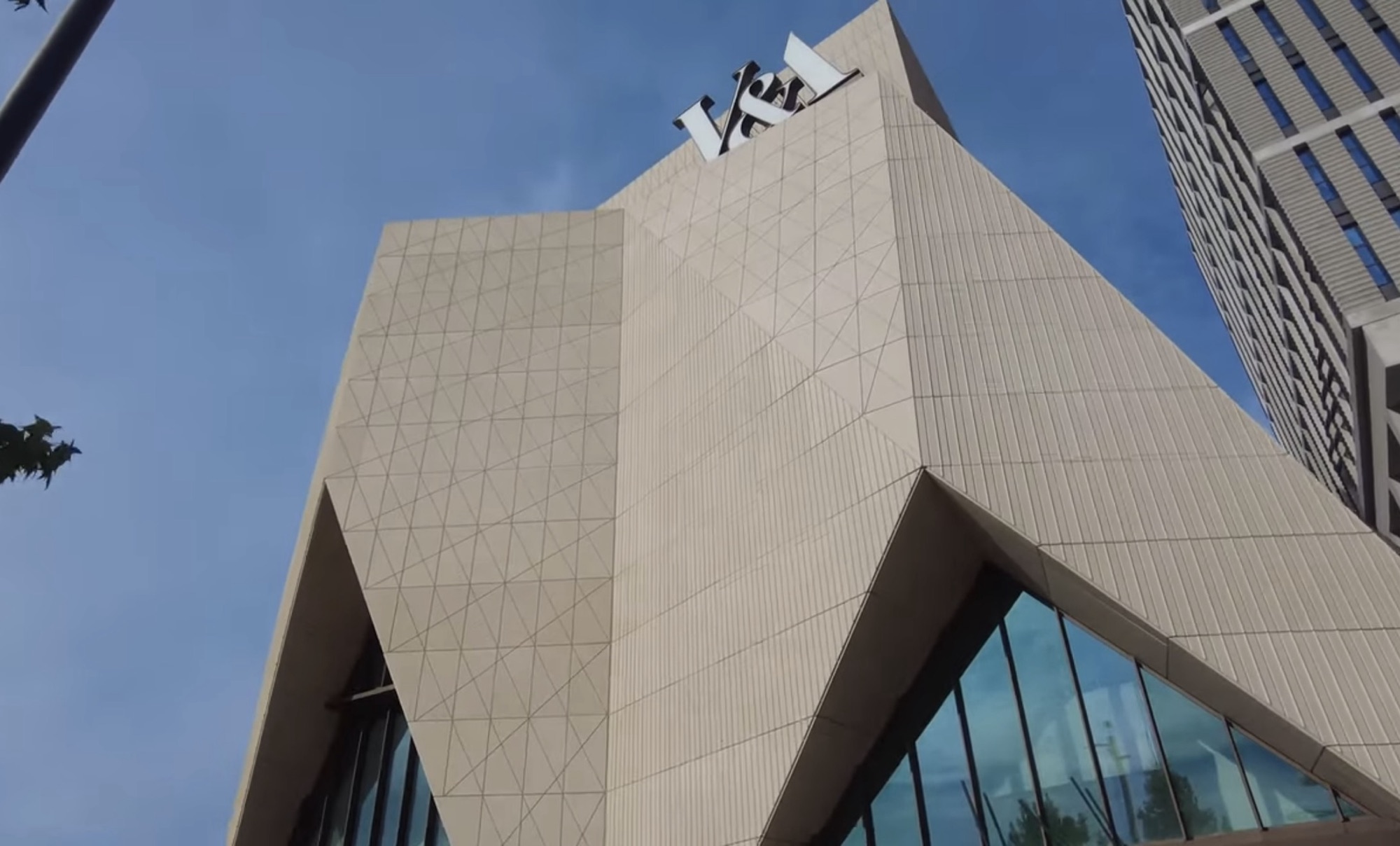
V&A East Museum opened on 18 April 2026. The separate V&A East Storehouse at Here East had already opened in 2025.
The Museum brings exhibitions, galleries, commissions and events directly into the South Park cultural district.
Sadler’s Wells East
The 550-seat theatre adds dance, performance, workshops and learning programmes to a site once defined mainly by sport.
London College of Fashion
UAL has brought its London College of Fashion activity together on the East Bank campus, alongside exhibitions and public-facing creative programmes.
UCL East
The university campus introduces research, education, exhibitions and events into the park rather than operating as another visitor attraction.
The final major East Bank partner still to open is BBC Music Studios, currently expected in 2027.
This cultural expansion changes the type of day Queen Elizabeth Olympic Park can offer. An adult visitor can now combine contemporary design, dance or an exhibition with the waterways without using a playground or sporting venue at all.
And the Orbit Has Started Another Life Too
The red ArcelorMittal Orbit remains the easiest object to spot from across the South Park, but its visitor experience has changed.
It now operates as Zip World London at ArcelorMittal Orbit.
The Orbit 360 viewing platform sits around 80 metres high and can provide views stretching up to around 20 miles in clear conditions. Visitors looking for something less peaceful can instead use the 178-metre Helix tunnel slide.
Zip World currently advertises Orbit 360 from around £14 online and the Helix experience from around £21.88, with rates varying according to booking date and offer. Check the live booking page rather than treating these as fixed admission prices.
You do not need to pay to appreciate the structure itself. The Orbit remains one of the defining pieces of the park skyline when viewed from ground level.
So What Should You Actually Do Here?
Do not try to complete Queen Elizabeth Olympic Park.
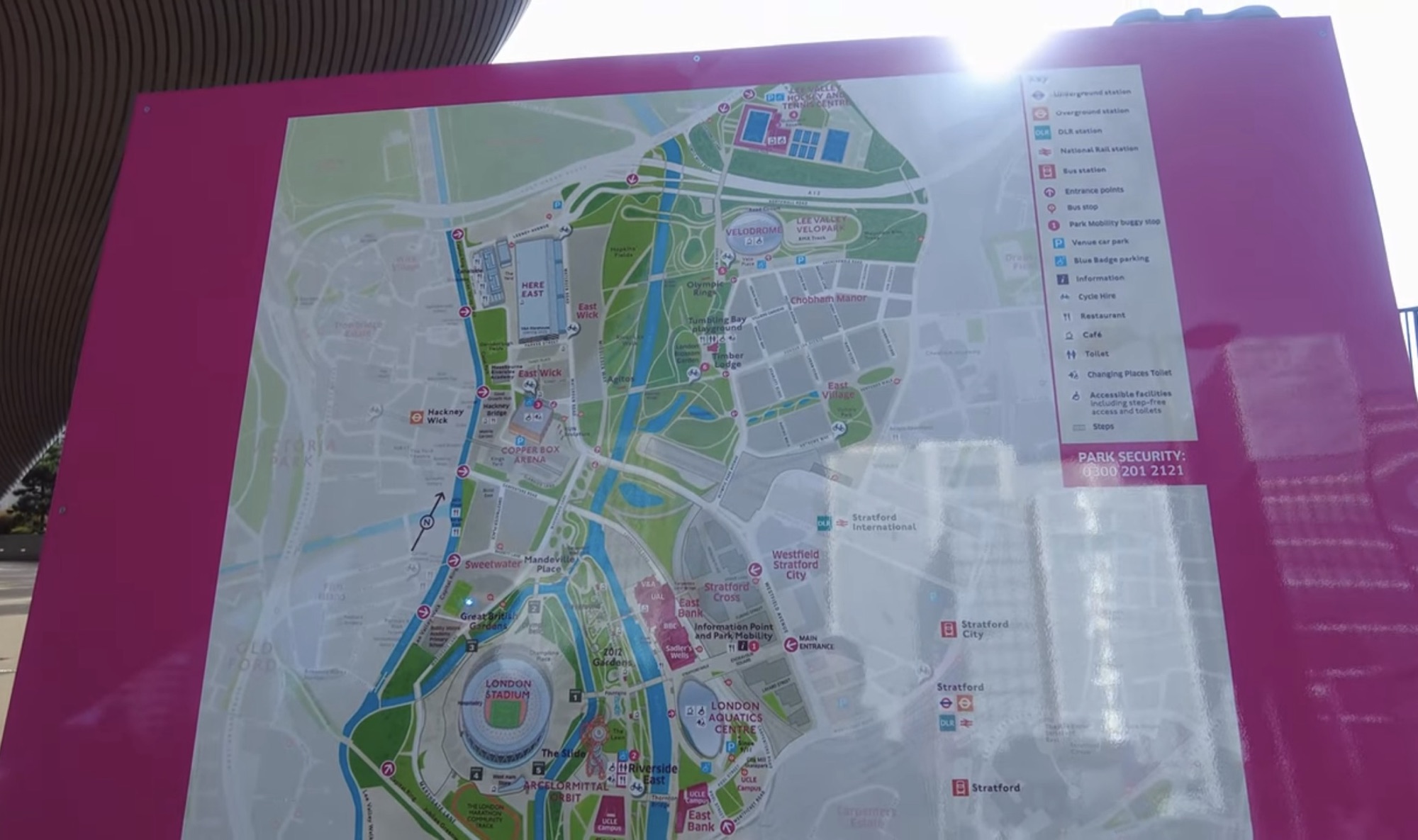
At roughly 560 acres, with waterways, bridges, venue boundaries and different neighbourhoods, attractions that appear relatively close on a map can still involve substantial walking.
Instead, decide what kind of day you want.
Family Day
Choose Tumbling Bay and North Park for adventure play and nature, or stay south for Pleasure Gardens, fountains and easy access to Stratford.
Walking Day
Follow all or part of the 6.5km Waterways Trail and allow the rivers, wetlands and Olympic landmarks to provide the structure.
Culture + London Day
Start at East Bank, choose one museum or performance destination, then add the Orbit area and a shorter waterside walk.
If I Had Half a Day
This route is deliberately not a checklist. The park rewards leaving something for another visit.
The Olympic Legacy Is No Longer the Most Interesting Thing Here
The stadiums are what give Queen Elizabeth Olympic Park its identity on a map, but I do not think they are what makes the park most interesting in 2026.
The more unusual story is what happened around them.
A visitor can stand beside architecture designed for one of the largest sporting events in the world, walk ten minutes and find reeds and waterways, then continue towards a children’s playground or a new V&A museum. That mixture does not feel like a traditional London park, and it should not.
The downside is that the site can occasionally feel fragmented. Roads, bridges, waterways, construction, universities and huge venues interrupt the classic sense of one continuous green space. Someone arriving expecting another Hyde Park may find it oddly urban.
But that is also what gives it character.
My editorial impression is that Queen Elizabeth Olympic Park works best when you stop asking whether it is a park, sports complex, cultural quarter or regenerated neighbourhood. It is now all four. The transformation itself is the attraction.
The Practical Things That Matter
Before You Travel on an Event Day
This is one of the few London parks where checking the day’s events can materially change the visit.
West Ham matches, concerts and other London Stadium events can bring road closures, pedestrian diversions and much heavier use of Stratford station. Waterworks Fountains are also switched off ahead of certain stadium events.
If the purpose of the trip is simply playgrounds or walking, a non-event weekday morning will normally provide a much calmer version of the park.
Frequently Asked Questions
Is Queen Elizabeth Olympic Park free?
Yes. General parkland, public walking routes, playgrounds and many outdoor features are free. Sporting facilities, performances, tours and commercial attractions charge separately.
Is Tumbling Bay open?
As of August 2026, the official visitor information lists Tumbling Bay Playground as open. Check again before travelling because maintenance closures can occur.
Are the Waterworks Fountains running?
They are currently scheduled to operate daily from 10:00am to 5:00pm, but stadium events can cause temporary shutdowns.
How long is the Waterways Trail?
The complete free loop is 6.5km. The official estimate is approximately 1.5 hours.
Is V&A East open now?
Yes. V&A East Museum opened on 18 April 2026, while V&A East Storehouse at Here East opened earlier.
What is still coming to East Bank?
BBC Music Studios is the final major East Bank partner venue and is expected to open in 2027.
Can you still visit ArcelorMittal Orbit?
Yes. It now operates through Zip World London, with Orbit 360 viewing and the Helix slide among its paid experiences.
Which station is best?
Stratford is generally best for South Park, London Stadium and East Bank. Stratford International can be useful for North Park, while Hackney Wick is convenient for Here East and the western waterways.
Is it good for young children?
Yes. Tumbling Bay, Pleasure Gardens and seasonal fountains make it one of East London’s stronger free family destinations, although distances between different areas can be substantial.
Can I picnic?
Yes, subject to park rules. Larger groups have additional restrictions, and barbecues and open fires are not permitted.
Final Take
In 2012, millions of people knew this landscape primarily as the stage for the Olympic and Paralympic Games.
That version of the park still exists in the stadium, Aquatics Centre, Orbit and other sporting landmarks, but it is no longer the whole story.
The waterways have matured. Playgrounds have become everyday family destinations. East Bank has brought museums, universities and performance into the South Park. The Orbit has found another role. New neighbourhoods continue to grow around everything.
That makes Queen Elizabeth Olympic Park less like a monument to one extraordinary summer and more like an ongoing experiment in what happens after a city hosts the Olympics.
For me, that is the reason to visit now.
Official Sources & Editorial Research
This guide is independently written. Current operational information was checked against official Queen Elizabeth Olympic Park and attraction sources. Opening times, event restrictions and commercial prices can change, so same-day information should always take priority.
- Queen Elizabeth Olympic Park – Visitor Information
- Queen Elizabeth Olympic Park – Waterways Trail
- Queen Elizabeth Olympic Park – East Bank
- Queen Elizabeth Olympic Park – Playgrounds
- Queen Elizabeth Olympic Park – London Blossom Garden
- Zip World London – ArcelorMittal Orbit
Last reviewed: 8 August 2026
This guide may combine first-hand observations, original photography, independent editorial research, verified official information, maps and recurring visitor feedback. Where personal experience is included, it reflects an actual visit. Other descriptions are research-led and should not be understood as a claim that the park was personally visited.