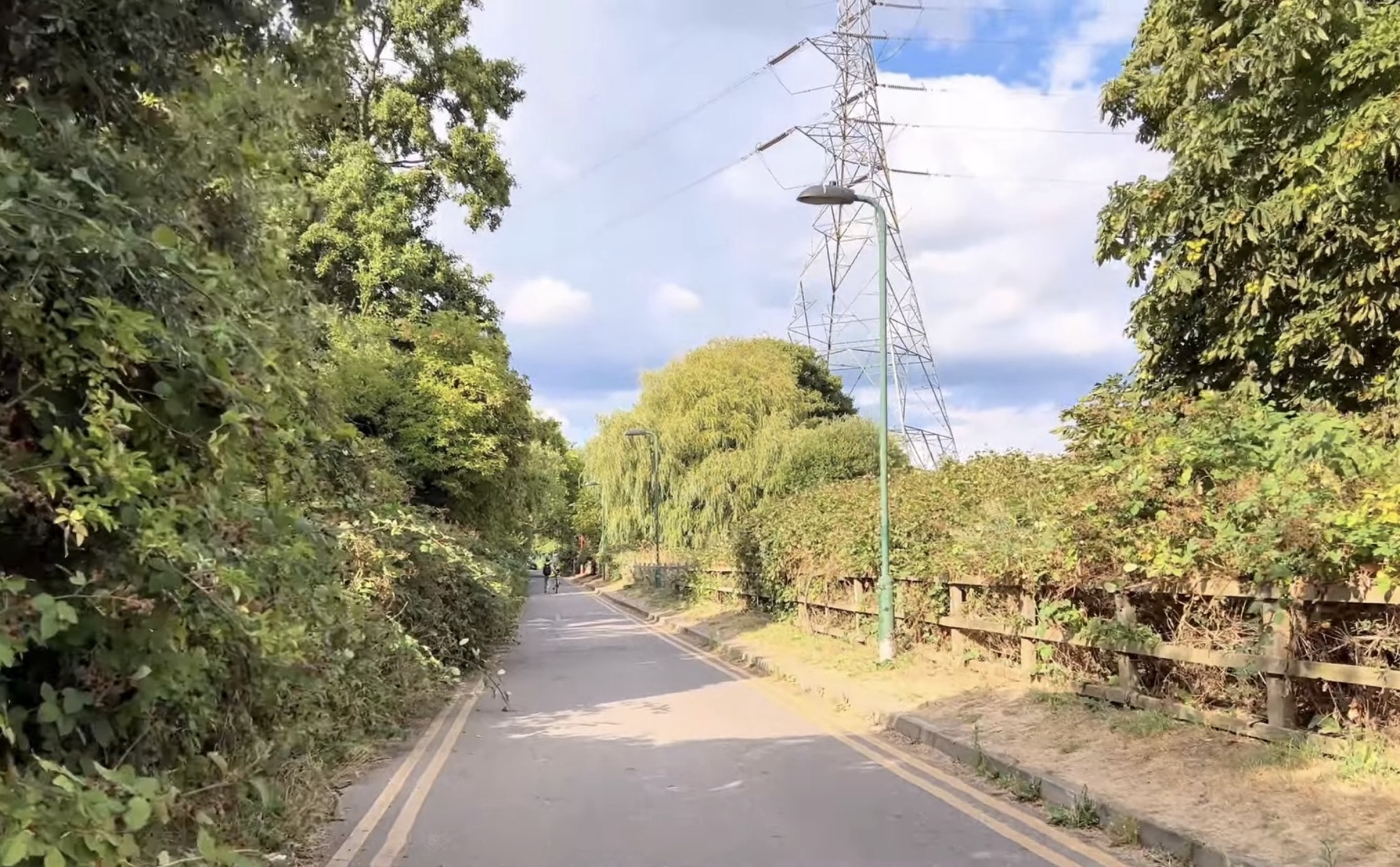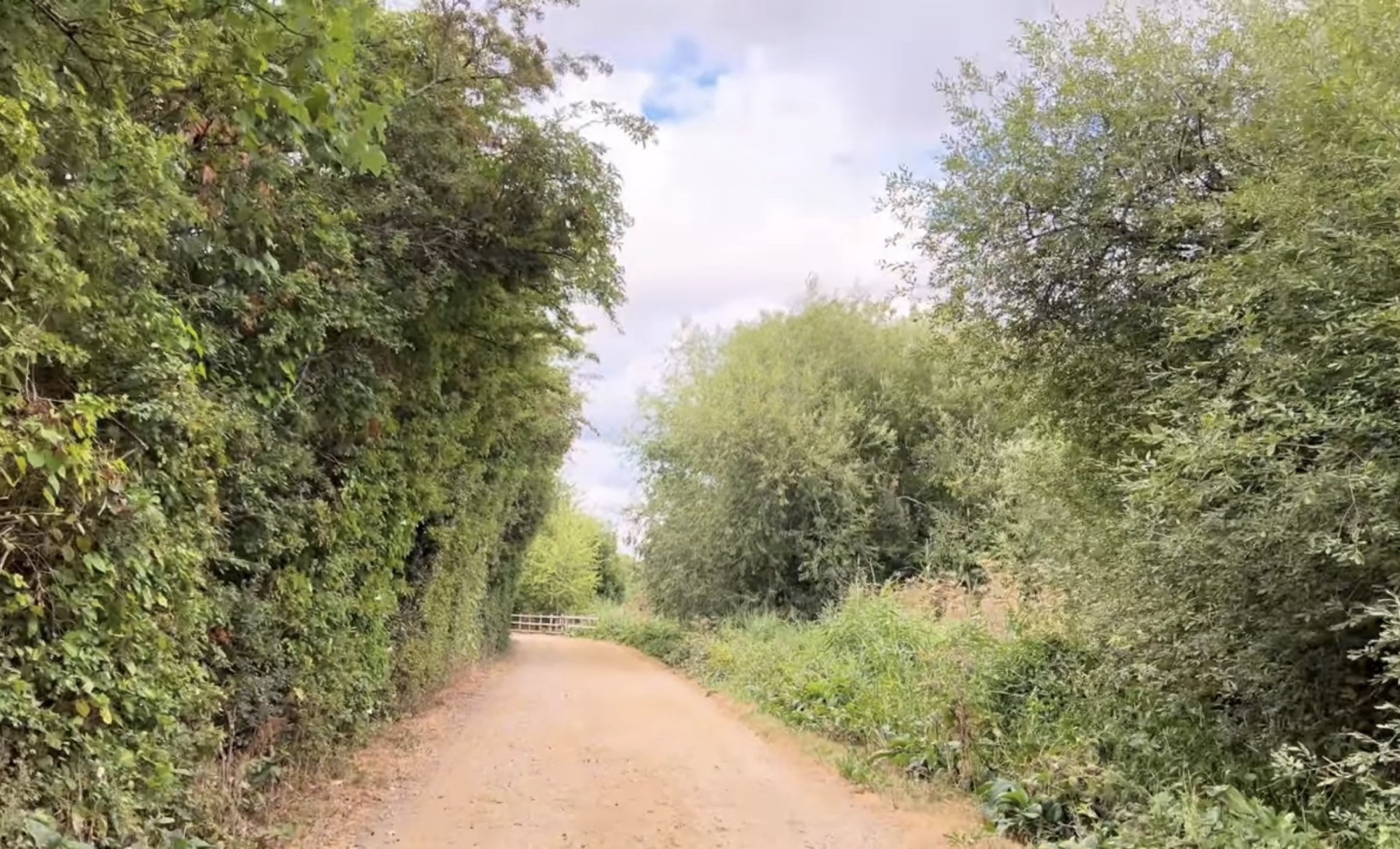
The first thing to understand about Lee Valley Regional Park is that there is no single Lee Valley day out. The park stretches for around 26 miles through London, Essex and Hertfordshire, covering roughly 10,000 acres of wetlands, waterways, meadows, sports venues, gardens and former industrial landscapes.
That scale is what makes Lee Valley special, but it is also what makes first visits confusing. Searching for the park name alone can leave you several miles from the lake, farm, sports venue or walking route you actually wanted.
The One Rule That Makes Lee Valley Easier
Choose the experience first and the location second.
Do not decide that you are simply “going to Lee Valley”. Decide whether you want wetlands, a family attraction, an easy riverside cycle, an Olympic sports session, a botanical garden or a long towpath walk. The correct starting point becomes much clearer once that choice has been made.
Which Lee Valley Do You Want?
Wildlife
Choose Fishers Green, Seventy Acres Lake and the Wildlife Discovery Centre.
Family Day
Use River Lee Country Park with the farm, sculpture trails and a short wetland walk.
Active
Cycle the valley or book VeloPark, White Water Centre or another specialist venue.
Gardens
Make Myddelton House Gardens the destination rather than trying to combine it with everything else.
Long Walk
Use Cheshunt, Broxbourne or southern rail stations for a one-way river and towpath route.
A Park in Zones, Not One Big Circle
LONDON
Marshes, Olympic Venues and Easy Public Transport
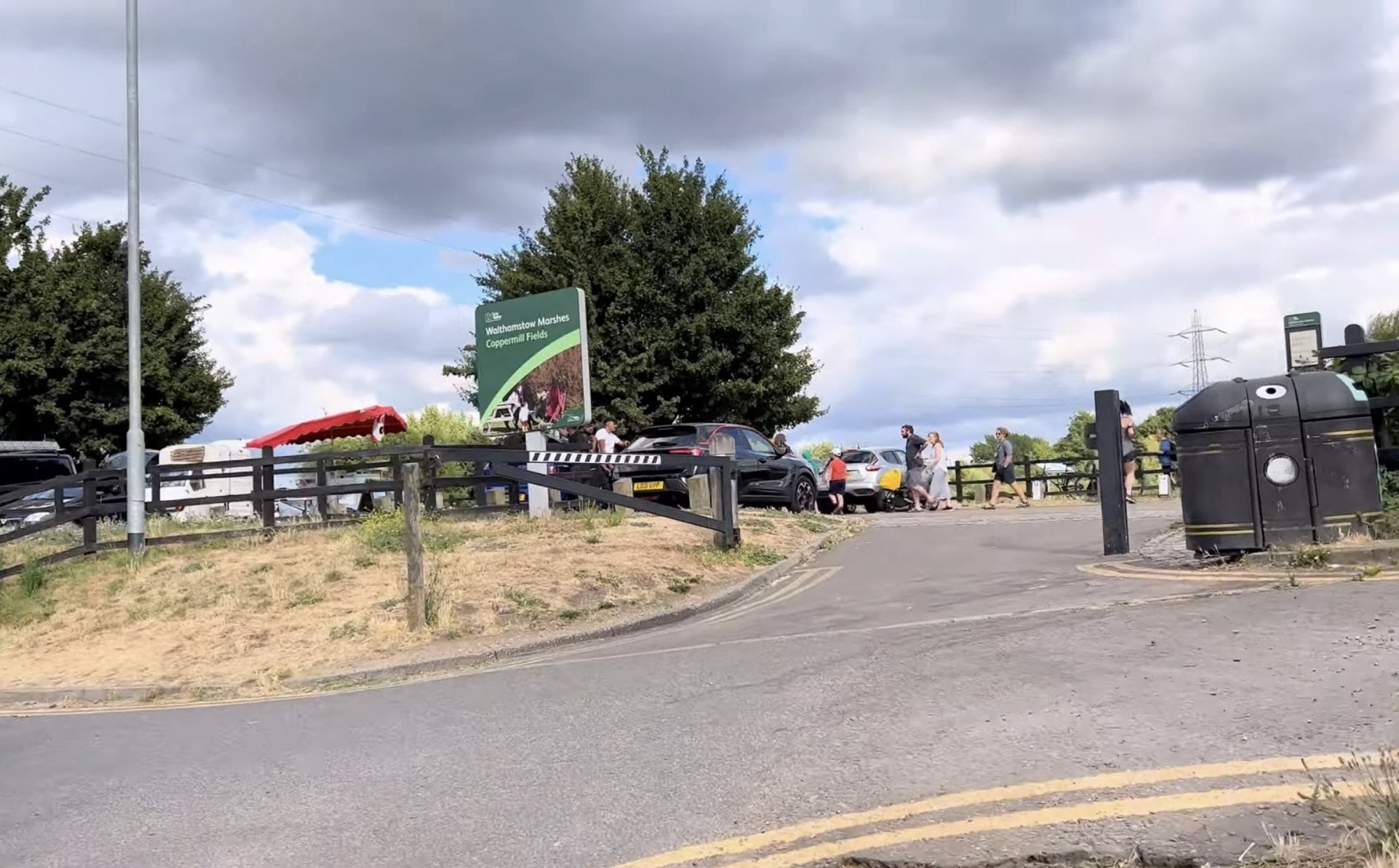
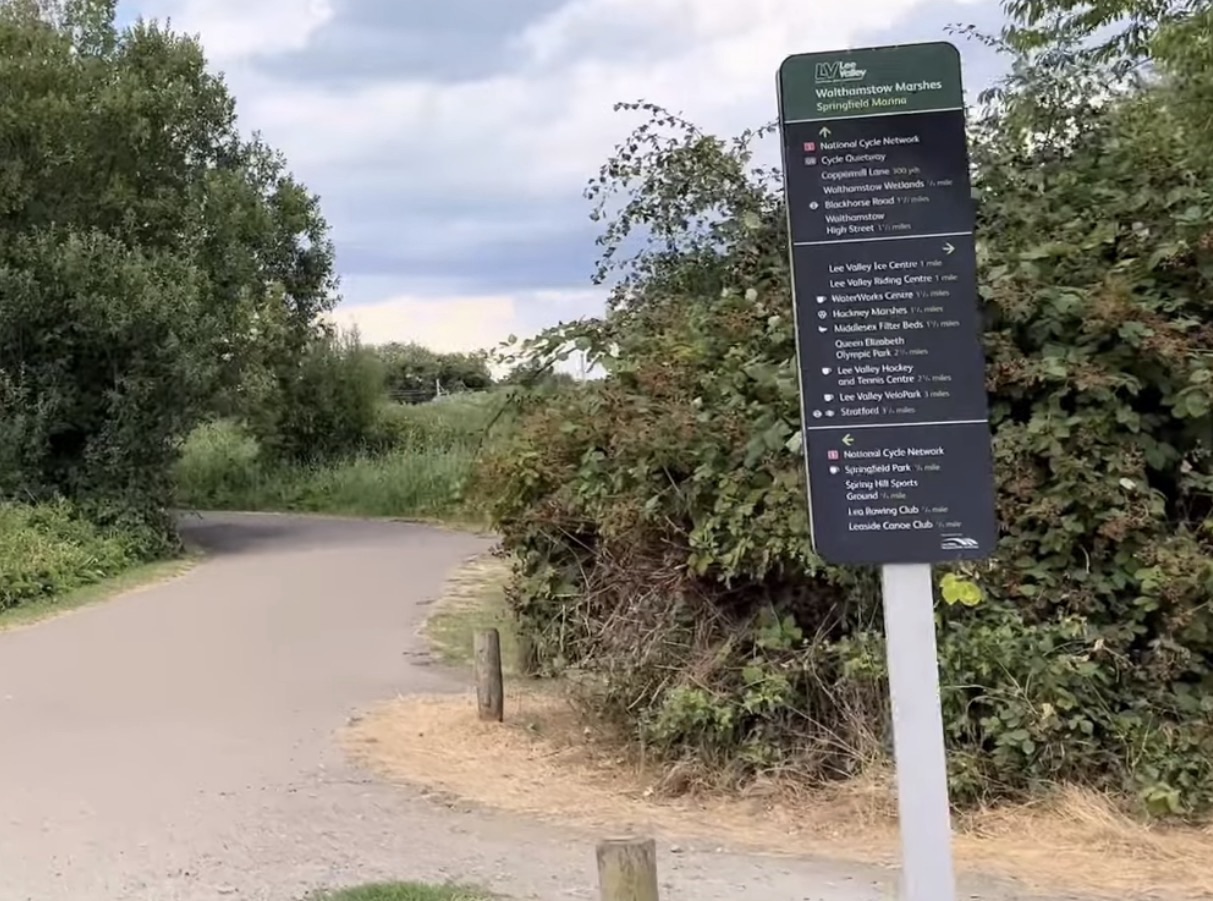
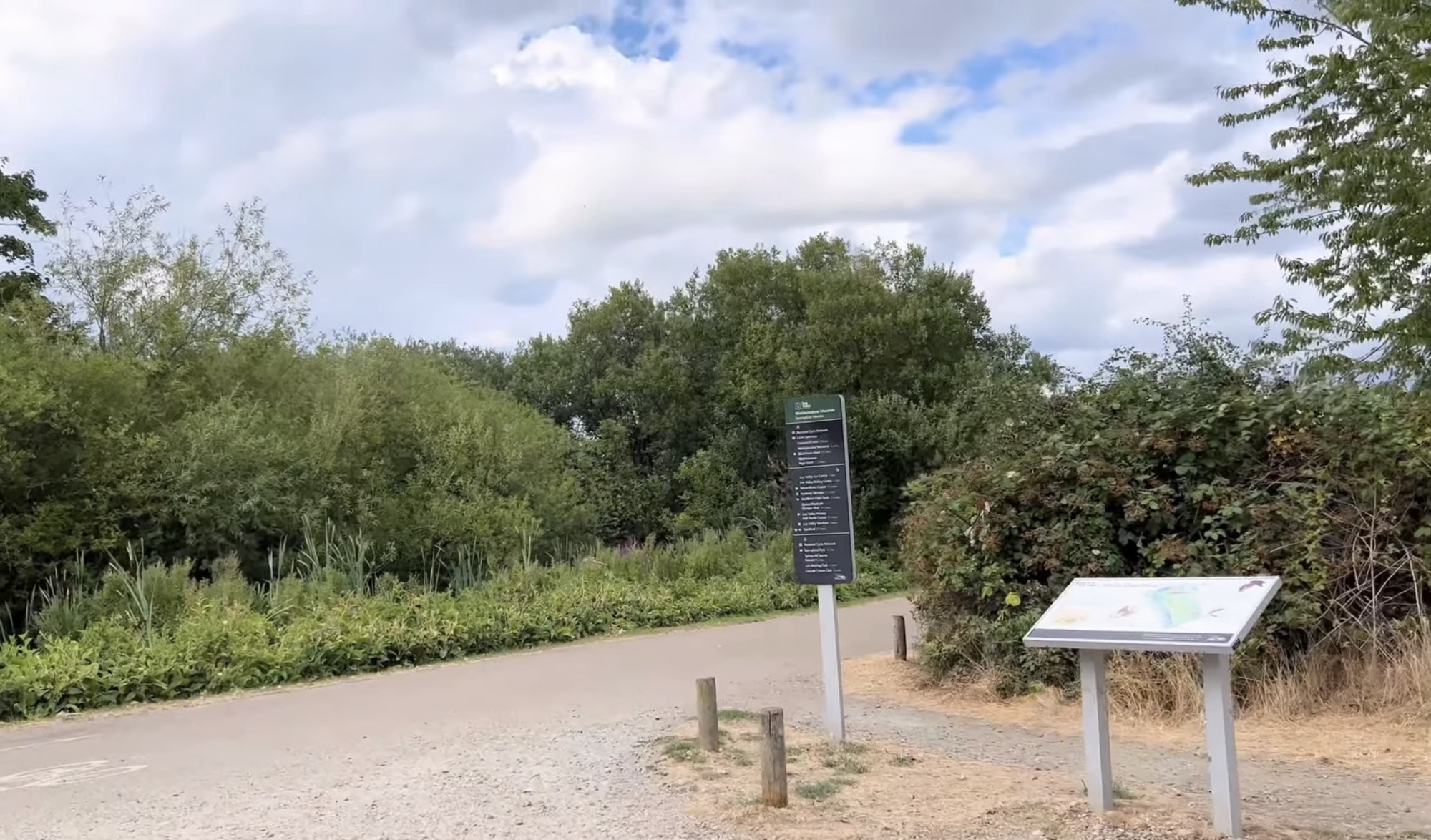
The southern Lee Valley includes areas around Stratford, Hackney, Leyton, Tottenham and Walthamstow. Here the green corridor runs beside dense urban London, railway lines and former industrial land.
“`It is the most convenient section for visitors relying on trains and Underground connections, and it also contains major sporting venues including Lee Valley VeloPark and Lee Valley Ice Centre.
“`VALLEY
Waltham Abbey, White Water and Gardens
Further north, the landscape becomes less urban and attractions begin to spread out. Lee Valley White Water Centre, Waltham Abbey and Myddelton House Gardens can all form separate destinations.
“`This section suits visitors who want one defined venue plus a little surrounding open space rather than an all-day trail.
“`COUNTRY PARK
The Wetland Heart of the Valley
“`Between Waltham Abbey and Broxbourne lies the approximately 1,000-acre River Lee Country Park. This is where lakes, former gravel pits, waterways, reed beds and long traffic-free routes become the dominant landscape.
For a first visit focused on nature rather than sport, this is the section I would understand first.
“`If This Is Your First Visit, Start Here
📍 Fishers Green + Seventy Acres Lake
“`Fishers Green is one of the easiest places to understand Lee Valley without trying to understand all 26 miles at once.
The car park gives access to toilets, picnic space, the Wildlife Discovery Centre, Seventy Acres Lake and several walking routes. A visitor can keep the outing short or continue much further once the landscape begins to make sense.
“`Why It Works
“`- Clear starting point
- Wildlife centre nearby
- Toilets
- Picnic area
- Short and longer routes
- Mostly traffic-free walking
A First-Timer’s Fishers Green Route
Start at Fishers Green
Use the toilets, check the map and confirm the Wildlife Discovery Centre closing time before setting off.
Cross Towards the Discovery Centre
The combination of bridges, channels and open water provides a quick introduction to why this feels different from a conventional London park.
Use the Discovery Room
Look at the wildlife information and cameras before walking further. Knowing what has recently been seen gives children and adults something specific to look for.
Go Up the Tower
The elevated view over Seventy Acres Lake makes the shape of the wetland much easier to understand.
Choose the Length of Your Walk
Take a short lakeside section or continue onto a marked route instead of improvising through paths that may eventually lead much further than expected.
Finish at The Glade
The flat picnic area across the green bridge provides an easier ending than searching for food after children or less confident walkers are already tired.
The Wildlife Discovery Centre
The Wildlife Discovery Centre overlooks the reed beds of Seventy Acres Lake and is one of the most useful free facilities in River Lee Country Park.
Rather than simply placing a bird hide beside the water, the centre combines a discovery room, large viewing windows, wildlife cameras, interpretation and an observation tower.
Seasonal Grounds Closing Times
| Period | Closing Time |
|---|---|
| April | 7:30pm |
| May | 8:30pm |
| June–August | 9:00pm |
| September | 8:30pm |
| October | 7:30pm |
| November–March | 5:30pm |
The discovery room and tower have shorter staffed hours than the grounds. That distinction matters if the tower is one of the reasons for travelling.
What You Might Actually See
Lee Valley’s former gravel pits have developed into an internationally important wetland landscape. Seventy Acres Lake and North Metropolitan Pit form part of the Lee Valley Special Protection Area.
The attraction is not that one particular bird is guaranteed. The interest comes from how the landscape changes with the season.
Recent 2026 records on the official sightings page have included species such as Bittern, Water Rail, Kingfisher, Reed Warbler and a range of butterflies and dragonflies. None should be promised on an ordinary visit.
For Families Who Need More Than Birdwatching
One of Lee Valley’s advantages is that a wildlife walk does not need to be presented to children as a long lesson in birds.
🗿 Sculpture Trails
Three sculpture routes around River Lee Country Park give younger visitors objects to search for while adults follow the wider trail.
🥏 Disc Golf
Free disc golf adds another activity to the country park and can work well when children have had enough of slow wildlife watching.
🐐 Animal Adventure Park
For a more structured paid outing, the nearby family attraction combines animals, play and seasonal events. Check the exact calendar before travelling.
The Farm and Wetland Trail
For visitors who want a defined circular route rather than an improvised wander, the Farm and Wetland Trail is one of the most useful official options.
The route is approximately 3 miles and links the Animal Adventure Park side with North Metropolitan Pit, Seventy Acres Lake and the surrounding waterways.
Why It Is Family-Friendly
“`- Defined circular route
- Approximately three miles
- Surfaced sections
- Accessible designation
- Dog friendly
- Cycling and running permitted
- Toilets and refreshments nearby
What “Accessible” Does Not Mean
“`The official route description also notes several bridges, including two with steep inclines, and several walk-around gates.
Visitors using a wheelchair, mobility scooter or heavy pushchair should therefore read the detailed route rather than interpreting the accessibility label as meaning completely flat and obstacle-free.
“`Three Ways to Spend Half a Day
Wildlife Half-Day
Fishers Green → Wildlife Discovery Centre → Seventy Acres Lake → picnic.
Best for first-time visitors who want to understand the natural side of Lee Valley.
Family Half-Day
Short wetland walk → sculpture search → Animal Adventure Park or disc golf.
Best when younger children need a stronger activity than walking alone.
Active Half-Day
Choose a longer cycling route or book one specialist sports venue.
Do not spend the day driving between VeloPark, White Water Centre and the northern wetlands.
My Editorial Impression
The Scale Is Both the Best and Worst Thing About Lee Valley
Looking across recent visitor reviews, older walking discussions and the official route network, one pattern is unusually clear: people can be describing completely different landscapes while all claiming to have visited Lee Valley Regional Park.
Some reviews talk about canals, wildflowers, birds, woodland and the surprise of finding such extensive open space close to London. Others focus on pylons, industrial edges, complicated parking or stretches where there is little food and no obvious exit. Neither impression needs to be dismissed.
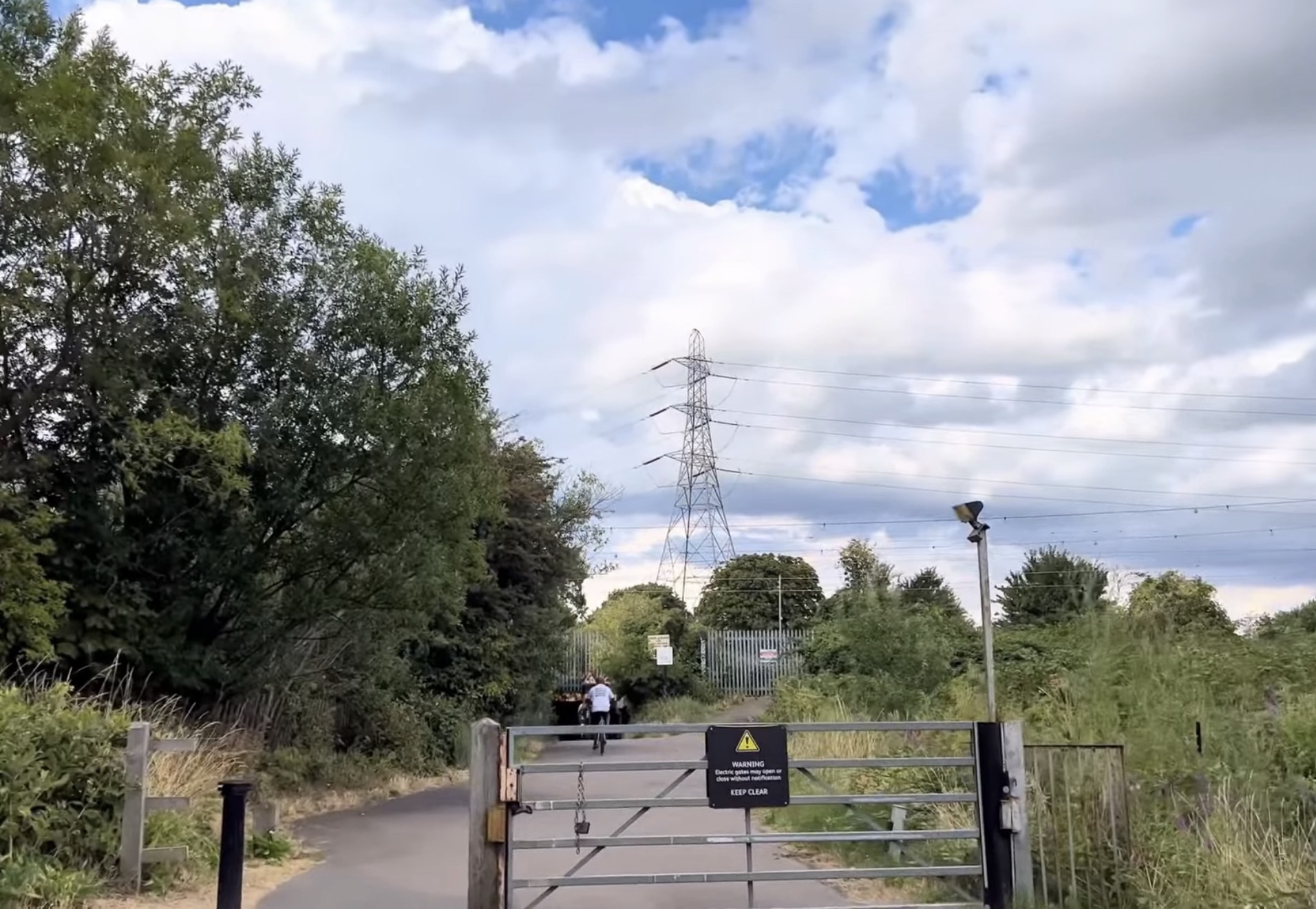
Lee Valley is a river corridor rather than a carefully enclosed ornamental park. Its infrastructure, waterways, former gravel pits, electricity structures, railways and old industrial land remain visible in places. Move a relatively short distance and that same landscape can open into reeds, water, meadows and remarkably quiet paths.
The more consistent criticism in recent reviews concerns parking and payment rather than the natural landscape itself. That is useful practical feedback: the countryside can feel spontaneous, but arriving by car should not be treated casually. Check which car park you are using, how payment works and whether a gate has restricted opening hours.
My editorial impression is that Lee Valley becomes much more rewarding when visitors stop trying to judge the whole 26-mile park in a single trip. Fishers Green is not Stratford. Broxbourne is not Walthamstow Marshes. Myddelton House Gardens is not the White Water Centre.
Choose one version of the valley and it can feel expansive rather than confusing.
Parking Deserves More Attention Here
River Lee Country Park has multiple parking areas and they do not all behave like a single conventional attraction car park.
Several Lee Valley car parks use ANPR. Charges apply at all times, and the Authority currently provides several payment options. Machines are card-only; if a machine is not working, the parking charge still applies and another payment method must be used.
2026 Open-Space Parking Tariffs
| Stay | Current Charge |
|---|---|
| Up to 1 hour | £1.50 |
| Up to 2 hours | £2.70 |
| Up to 3 hours | £4.20 |
| Over 4 hours | £6.30 |
| Annual permit | £85 |
Blue Badge holders can park free in Lee Valley-operated chargeable car parks once their details have been registered with the Authority. Registration is not instant, so arrange this ahead of the visit.
Why Parking Reviews Are Worth Reading Carefully
Recent visitor reviews include complaints about poor signal, payment apps and difficulties when machines have not worked as expected.
The official parking guidance is therefore more useful than relying on habit: note the car park name and location code, understand how payment works, and keep confirmation of payment.
Lee Valley currently states that online payment can still be completed by midnight on the day of the visit if an on-site machine cannot be used.
Myddelton House Gardens: A Completely Different Lee Valley Day
Myddelton House Gardens should not be treated as a quick extra stop simply because it carries Lee Valley branding. It works better as its own destination.
The eight-acre botanical garden was the home of horticulturist E. A. Bowles and contains a collection of smaller garden spaces rather than the huge open wetlands associated with River Lee Country Park.
Facilities include accessible parking, toilets and the Bowles Tea Room. Assistance dogs are welcome, but ordinary pet dogs are not permitted within the gardens.
The Alpine Meadow, ponds, museum, New River Lawn and unusual planting make this a better choice for adults or families who enjoy discovering small details rather than needing large-scale play equipment.
Lee Valley White Water Centre
The White Water Centre represents almost the opposite end of the Lee Valley experience.
Built for the London 2012 Olympic Games, the venue continues as a specialist sports destination. Its rapids and booked water activities create a controlled adventure environment rather than a casual open-space visit.
Visitors should treat it as a booked attraction with its own availability, safety requirements and parking arrangements. Do not simply arrive because you happen to be walking nearby and assume an activity will be available.
The venue is also enjoyable for spectators, with places to watch activity around the course without participating.
The Southern Valley Is Easier Without a Car
Further south, Lee Valley becomes increasingly integrated into London transport.
Tottenham & Walthamstow Marshes
“`Flat paths, riverside sections and rail or Underground connections make these areas much easier for a spontaneous London walk.
The atmosphere remains greener than the surrounding neighbourhoods, but urban infrastructure is never far away.
“`Stratford & Olympic Legacy
“`Queen Elizabeth Olympic Park and Lee Valley VeloPark bring formal sport, landscaped public space and major transport connections into the southern end of the Lee Valley corridor.
“`Long-Distance Walking: Expect Contrast
Lee Valley can provide something unusual around London: the possibility of travelling for many miles beside rivers, canals and wetlands with relatively little road walking.
That does not mean every mile feels rural.
Long routes can move between:
- reed beds and lakes
- towpaths and locks
- houseboats
- marshland
- woodland
- railway infrastructure
- industrial edges
- electricity pylons
- urban neighbourhoods
For some walkers, that transition is exactly what makes the valley interesting. For visitors expecting uninterrupted countryside, it can feel less picturesque than expected.
A Smarter One-Way Walking Day
Using railway stations allows longer-distance walkers to avoid retracing the same towpath.
Cheshunt and Broxbourne are particularly useful for northern sections, while stations such as Tottenham Hale, Lea Bridge, Clapton, Hackney Wick and Stratford serve different parts further south.
The exact route should be selected before travelling because a pleasant riverside trail can continue for many miles beyond the point where someone expected to turn back.
Cycling Makes the Scale Easier to Understand
For confident riders, cycling may be the most natural way to appreciate just how long Lee Valley is.
The official route network includes everything from short family trails to longer circuits. Around Fishers Green alone, options include the 1.75-mile Otter Discovery Trail, the 3-mile Farm and Wetland Trail and longer routes such as Lakes of the River Lee.
Traffic-free does not mean rider-only. Paths are shared with:
- walkers
- young children
- dogs
- runners
- other cyclists
Some surfaces also change from smooth to gravel, compacted material or mud.
Water Safety Is Not Optional
Lee Valley contains a huge amount of water, including rivers, navigation channels, former gravel pits and large lakes.
These should not be treated like ordinary shallow park ponds.
General swimming is not permitted simply because a stretch of water looks calm. Former gravel pits can be deep and cold, while channels may have currents, underwater hazards or steep banks.
Use only authorised venues and organised sessions for swimming or water sports.
Accessibility Depends on the Exact Route
It would be misleading to describe an entire 26-mile regional park simply as either accessible or inaccessible.
For wheelchair, mobility scooter or specialist buggy users, the most useful approach is to check the individual trail rather than relying on a general Lee Valley accessibility description.
Dogs: The Same Rule Does Not Apply Everywhere
Dogs are welcome on many Lee Valley open-space routes when kept under proper control.
However, a 26-mile park includes wildlife reserves, livestock, family attractions and formal gardens, so restrictions vary.
- Use a lead where signs require it.
- Keep dogs away from nesting wildlife.
- Do not allow dogs to chase livestock or birds.
- Do not allow dogs into open water.
- Remember that Myddelton House Gardens permits assistance dogs rather than ordinary pets.
- Check individual attractions before entering.
Food and Toilets: Plan Around Distance
Facilities are useful where they exist, but they are not evenly distributed across Lee Valley.
Within River Lee Country Park, toilets are available at Fishers Green, Lee Valley Animal Adventure Park and Lee Valley White Water Centre. Waltham Abbey Town Hall provides another option nearby.
Picnic possibilities include Fishers Green and several other recognised stopping points.
For a short Fishers Green visit, facilities are reasonably straightforward. For a long towpath walk, carry enough food and water to avoid depending on a café appearing at exactly the right point.
Three Lee Valley Mistakes to Avoid
Mistake 1: Searching Only the Park Name
Use the specific venue, trail, station or car park. Lee Valley Regional Park is far too large for one useful universal destination pin.
Mistake 2: Trying to See Everything
A wildlife morning, farm visit and White Water session do not need to happen on the same day simply because all three carry the Lee Valley name.
Mistake 3: Assuming Facilities Are Continuous
Long routes can leave cafés, toilets, stations and road exits far behind. Prepare for the selected distance rather than the park brand.
What I Would Choose for Different Visitors
| Visitor | Best Starting Idea | Why |
|---|---|---|
| First-time family | Fishers Green | Wildlife Centre, toilets, picnic area and adjustable walking distance |
| Toddlers / younger children | Animal Adventure Park + short walk | More structure than expecting children to follow a long wildlife route |
| Birdwatchers | Seventy Acres Lake / Wildlife Discovery Centre | Reed beds, tower, hide and seasonal wetland species |
| Garden lovers | Myddelton House Gardens | Compact eight-acre botanical destination |
| Adventure seekers | White Water Centre | Specialist booked water-sports venue |
| Cyclists | Choose route by distance first | Traffic-free networks range from short family rides to long valley journeys |
| Long-distance walkers | Cheshunt / Broxbourne / southern rail stations | Allows one-way routes with railway return options |
| Car-free London visitors | Southern Lee Valley | Much stronger rail and Underground connections |
When Should You Visit?
Spring
One of the strongest periods for wildlife and longer walking. New growth, birdsong and improving daylight make the wetland landscape feel particularly active.
Summer
The widest range of attractions and the longest daylight hours. Insects, birds, family activities and sports sessions all expand the possibilities, although exposed routes can feel hot.
Autumn
Cooler conditions suit longer walks and cycling. Tree colour adds interest around the lakes and many family areas become calmer after the summer holidays.
Winter
A quieter and more specialised Lee Valley emerges. Birdwatchers may specifically come looking for winter visitors such as Bittern, while short daylight makes route planning more important.
Before You Leave Home
- Choose a specific part of Lee Valley.
- Download the exact route rather than only a regional map.
- Check current path closures.
- Check the car park and payment method if driving.
- Confirm attraction opening hours separately.
- Bring water on any route longer than a short local circuit.
- Carry food when walking through quieter northern sections.
- Use authorised facilities only for swimming and water sports.
- Check train bicycle rules for one-way cycling routes.
- Allow wildlife to determine the sightings rather than expecting a guaranteed species.
Frequently Asked Questions
Is Lee Valley Regional Park free?
Most open spaces, walking routes and wildlife areas are free to enter. Parking and specialist attractions such as the Animal Adventure Park, White Water Centre and sporting venues may charge separately.
How big is Lee Valley Regional Park?
The regional park extends for around 26 miles and covers roughly 10,000 acres through London, Essex and Hertfordshire.
Is River Lee Country Park the same as Lee Valley Regional Park?
No. River Lee Country Park is an approximately 1,000-acre section of the much larger Lee Valley Regional Park, stretching between Waltham Abbey and Broxbourne.
Where should I go on my first visit?
Fishers Green is a particularly practical choice for visitors who want wildlife and walking. It gives access to toilets, picnic space, the Wildlife Discovery Centre and routes around Seventy Acres Lake.
Is River Lee Country Park open 24 hours?
The open country park is listed as open 24 hours a day, but car parks, visitor facilities, gated areas and paid attractions can have separate operating hours.
Is the Wildlife Discovery Centre free?
Yes. Admission is free. Fishers Green parking is charged separately.
What time does the Wildlife Discovery Centre open?
The grounds open daily from 8:30am and close seasonally. The Discovery Room and tower normally operate from 10:00am to 4:00pm, subject to staffing.
Is Fishers Green parking free?
No. Charges apply at all times. Current 2026 open-space tariffs begin at £1.50 for up to one hour and increase according to stay length.
Do Blue Badge holders pay for parking?
Eligible Blue Badge holders can receive free parking in Lee Valley-operated chargeable car parks after registering their vehicle details with the Authority. Registration should be arranged before travelling.
Is Lee Valley good for children?
Yes, provided the correct section is chosen. Fishers Green and the sculpture trails suit a free nature-based visit, while Lee Valley Animal Adventure Park provides a more structured paid family attraction.
Is the Farm and Wetland Trail accessible?
It is officially listed as accessible and follows largely surfaced paths, but the detailed route also includes several bridges, two steeper inclines and walk-around gates.
Can you cycle through Lee Valley?
Yes. There are many traffic-free and shared cycling routes. Surfaces vary and cyclists need to give priority and space to pedestrians, dogs and other path users.
Can you swim in Lee Valley lakes?
Do not swim informally in lakes and channels. Use authorised swimming or water-sports venues with the appropriate safety arrangements.
Are dogs allowed?
Dogs are welcome on many open-space routes when controlled, but local restrictions apply around wildlife, livestock and individual attractions. Some formal sites have stricter rules.
Can I reach Lee Valley by train?
Yes, but the correct station depends on the section. Southern areas have particularly strong public transport, while Cheshunt and Broxbourne work well for parts of River Lee Country Park.
Is Lee Valley suitable for a full day?
Yes, but it is better to choose one geographic area and one main activity. Trying to combine distant Lee Valley venues can turn much of the day into travel.
Is Lee Valley Regional Park Worth Visiting?
“`Yes—but only once you stop treating it like a conventional London park. Its scale allows visitors to choose between wetlands, canals, family attractions, gardens, long-distance routes and Olympic sports venues. The trade-off is that planning matters more: entrances, parking, transport and facilities vary from one section to another.
“`Final Take
Lee Valley Regional Park is difficult to summarise because its greatest feature is precisely that it refuses to remain one type of place.
At Fishers Green it can feel like a wetland reserve. Near Broxbourne it becomes a long riverside journey. Around Waltham Abbey, white-water sport appears beside quieter open space. At Myddelton House the scale suddenly contracts into an intimate botanical garden. Further south, marshes, railways and Olympic architecture merge back into London.
That variety makes Lee Valley more complicated than most parks on Ekskluzivet Park, but also more repeatable. A disappointing attempt to see everything in one day can easily become several excellent visits once the park is divided into destinations.
For a first visit, pick one place rather than the whole valley. Fishers Green is a strong place to begin.
Official Information & Editorial Research
This is an independently written guide. Current information about routes, opening arrangements, visitor facilities, wildlife, accessibility, parking and 2026 charges was checked against Lee Valley Regional Park’s official visitor information. Public visitor reviews and walking discussions were used only to identify recurring practical experiences and opinions; they were not treated as authoritative sources for operational facts.
- Lee Valley Regional Park – Official Visitor Website
- Lee Valley Regional Park – River Lee Country Park
- Lee Valley Regional Park – Wildlife Discovery Centre
- Lee Valley Regional Park – Wildlife Watching
- Lee Valley Regional Park – Walking and Running Routes
- Lee Valley Regional Park – Farm and Wetland Trail
- Lee Valley Regional Park – Parking in River Lee Country Park
- Lee Valley Regional Park – 2026/27 Prices
- Lee Valley Regional Park – Current Open-Space Updates
- Lee Valley Regional Park – Myddelton House Gardens
- Lee Valley Regional Park – Lee Valley White Water Centre
Last reviewed: 8 August 2026
This guide may combine first-hand observations, original photography, independent editorial research, verified official information, maps and recurring visitor feedback. Where personal experience is included, it reflects an actual visit. Other descriptions are research-led and should not be understood as a claim that the park was personally visited.