
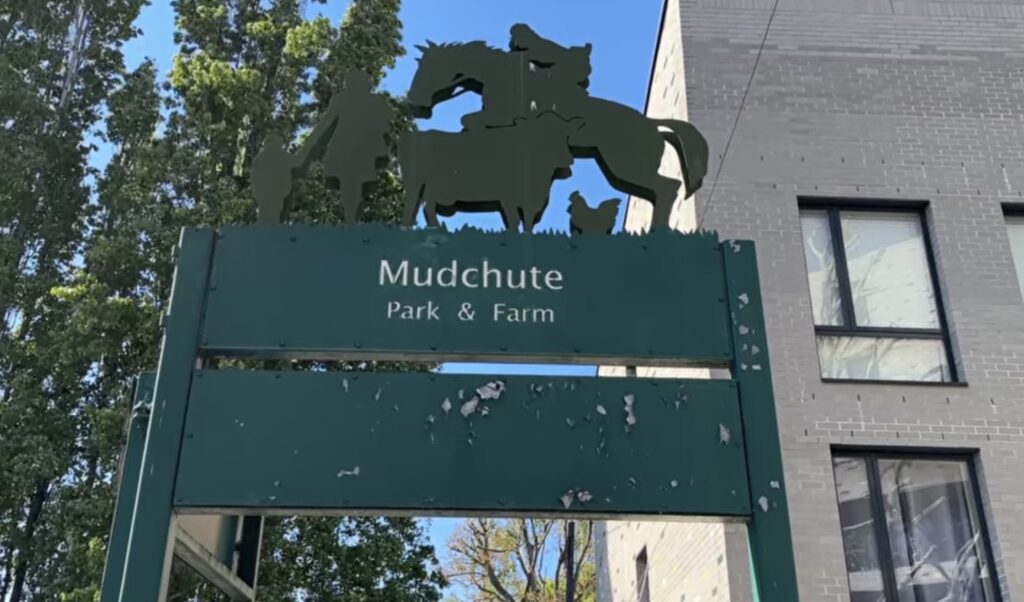
A Farm Where You Don’t Expect One
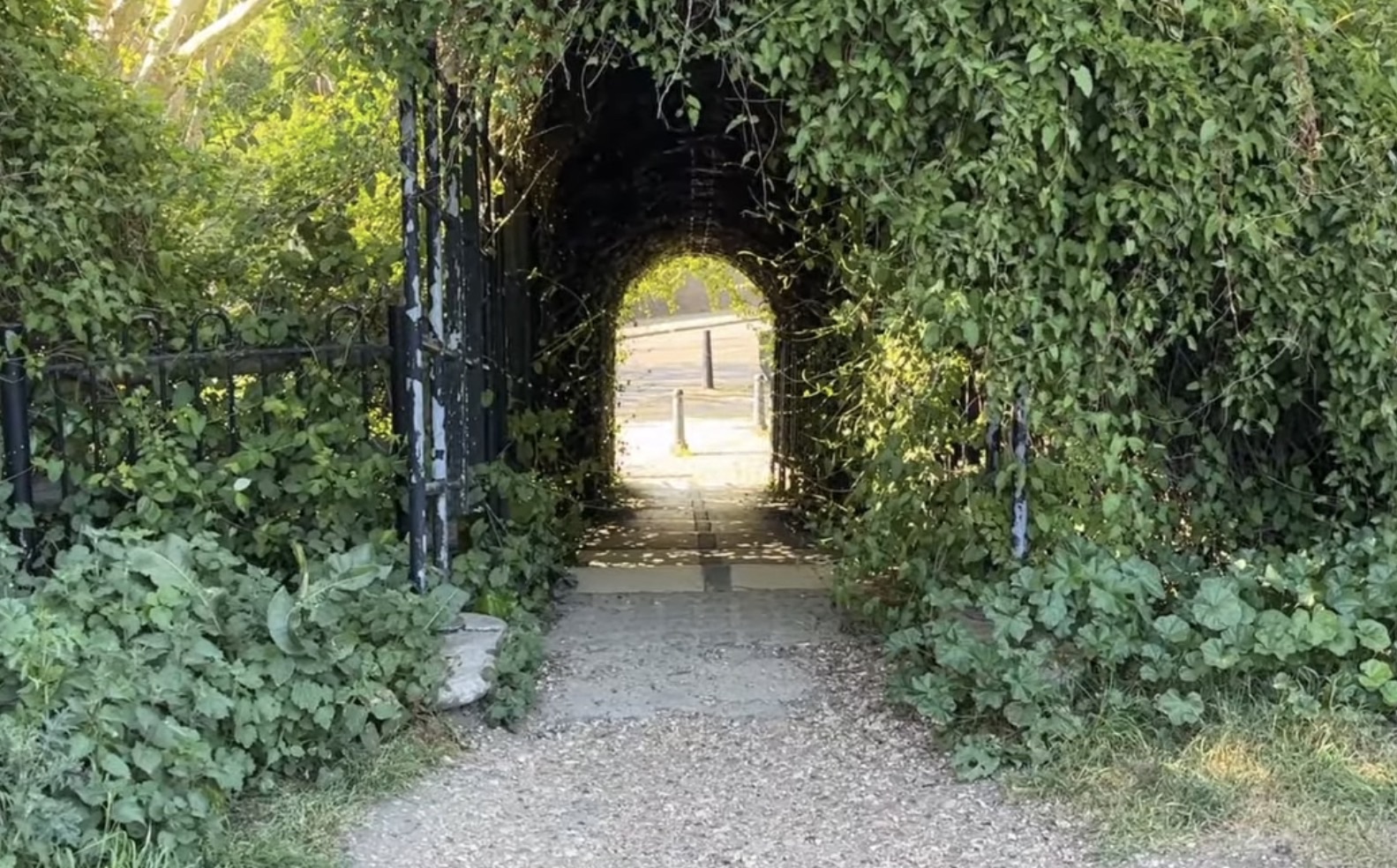
There is a moment on the Isle of Dogs when the pavements, tower blocks and DLR tracks give way to a gate, a gravel path and the smell of hay. That is Mudchute Park and Farm, and it is one of the strangest and best contrasts in London. You walk in off a busy city street and within a minute you are looking at donkeys.
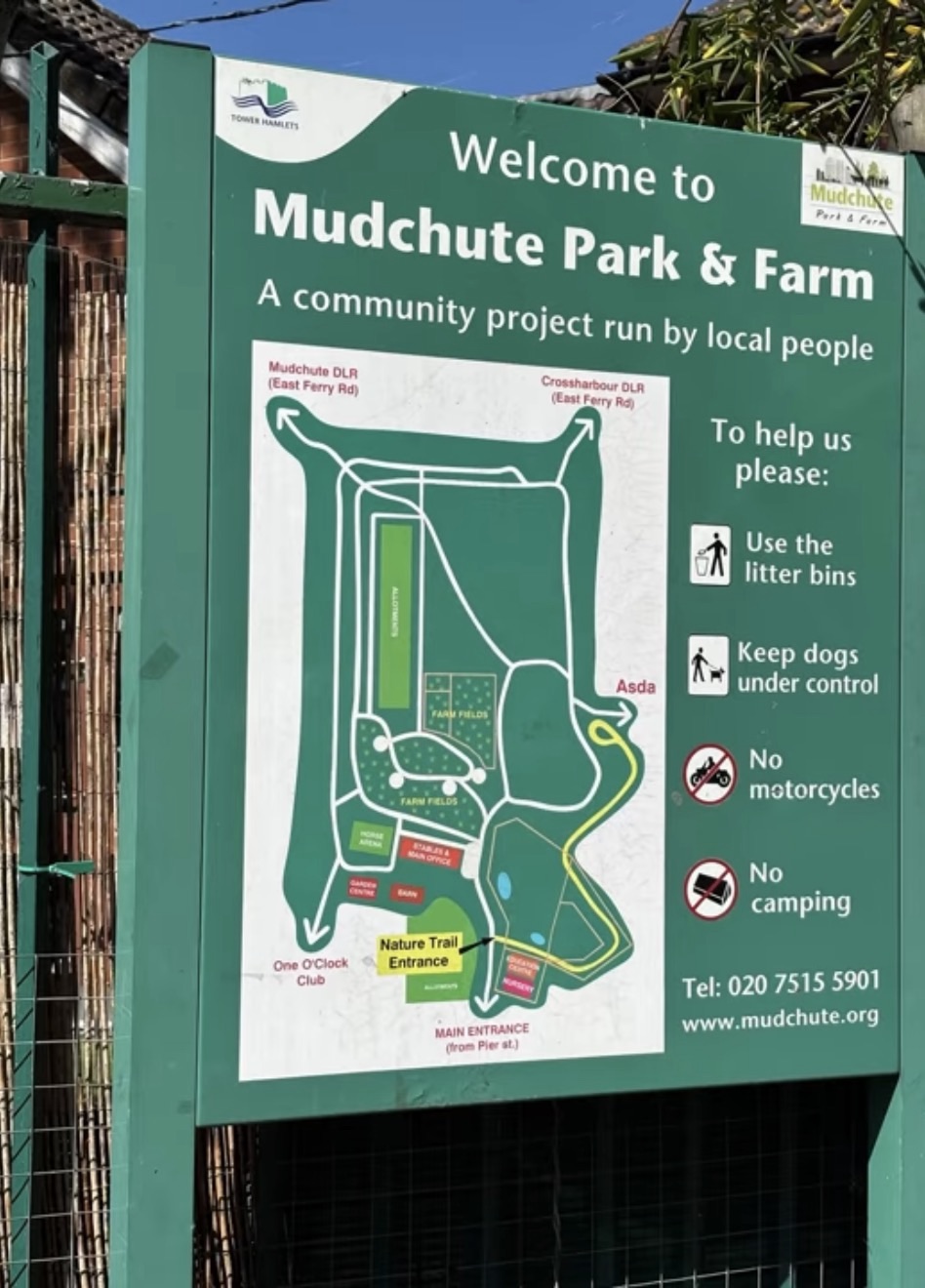
I came on a warm day to see what the fuss was about. The answer: donkeys, sheep, llamas, chickens, ducks, turkeys and plenty more, all within a short stroll of the gate. If you want to get closer, animal feed is on sale, though the farm asks that you stick to its own pellets rather than bringing food from home (more on that below).
Meeting the Animals
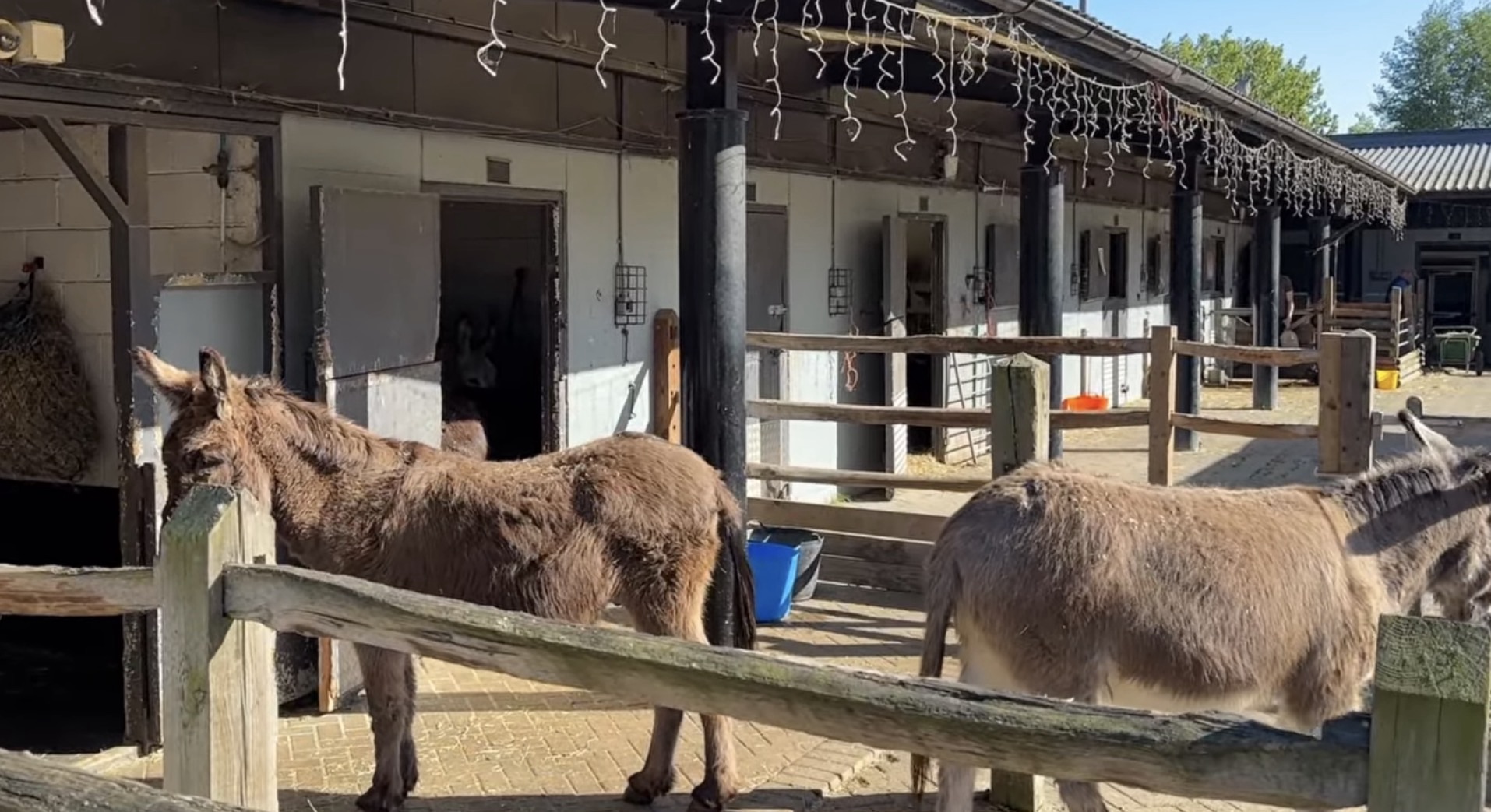
The donkeys got most of the attention on my visit, and they knew it. One leaned over the fence with a look that said “I know you have snacks”, and I had to confess I had come empty-handed. Look at that nose. It is hard not to smile.
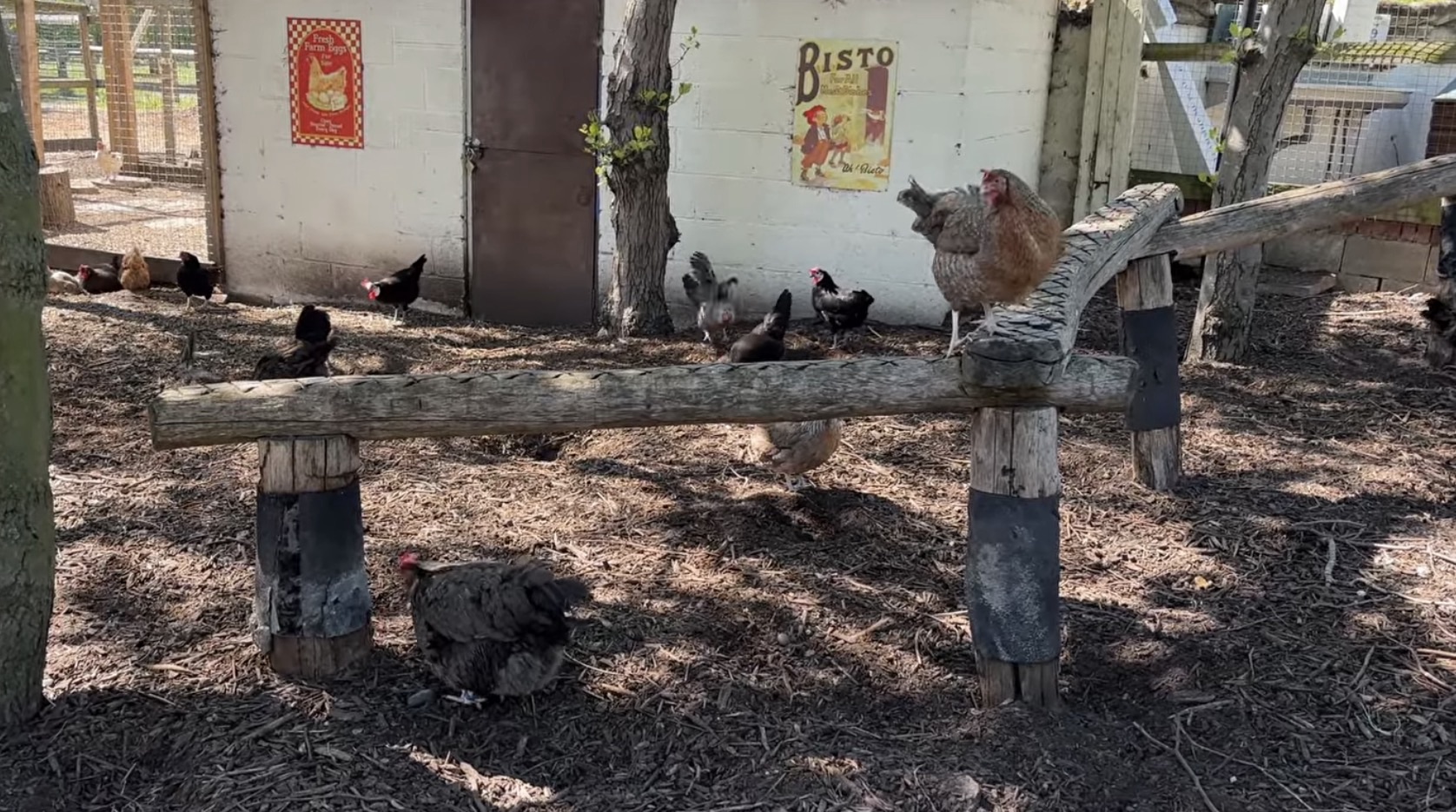
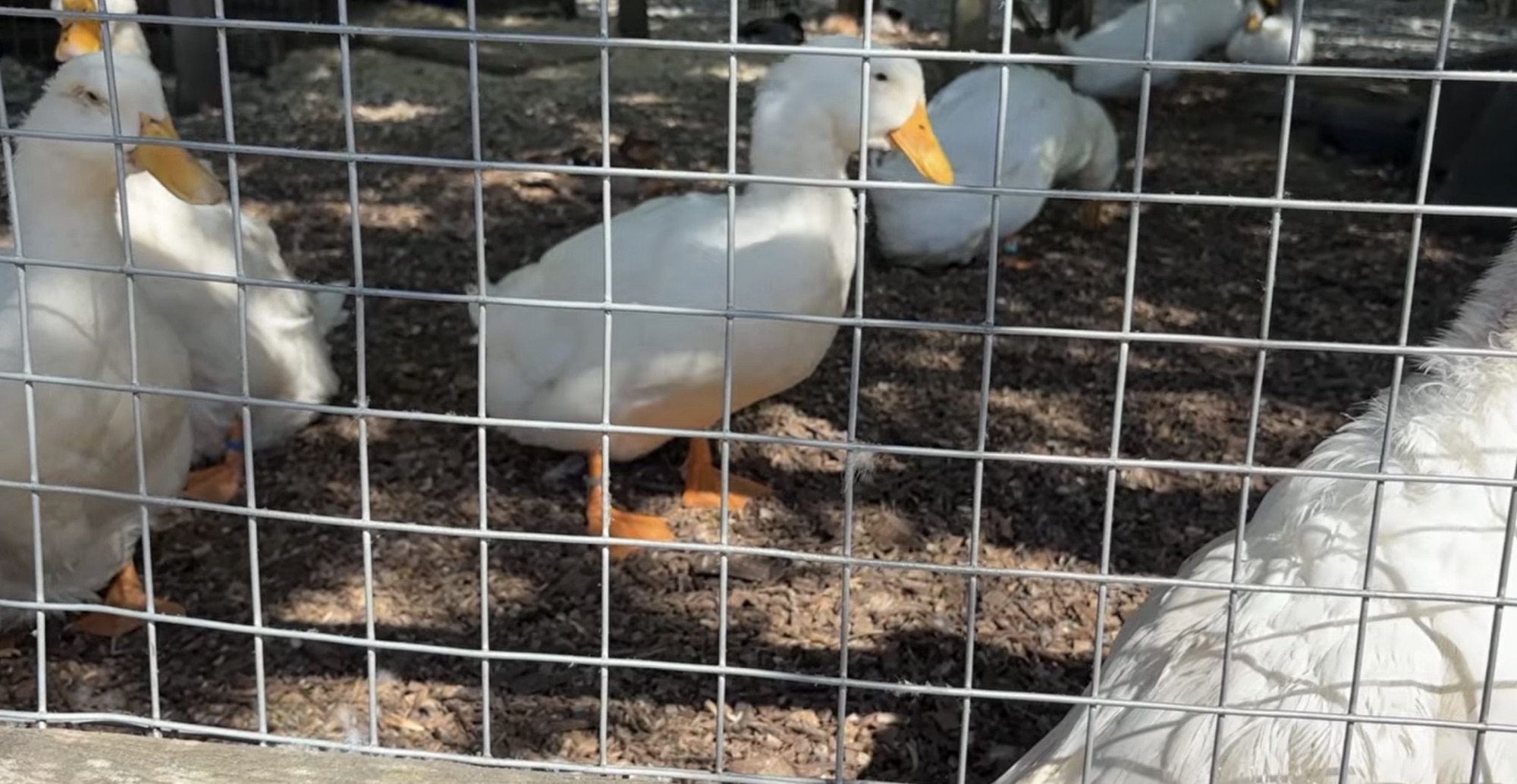
The poultry is just as entertaining. Chickens, ducks and turkeys roam about quite freely, and you can get surprisingly close to them. One hen gave me what can only be described as a magnificent side eye. The white ducks, on a hot day, looked as though they badly needed a bath.
Small Ones and Feathered Ones
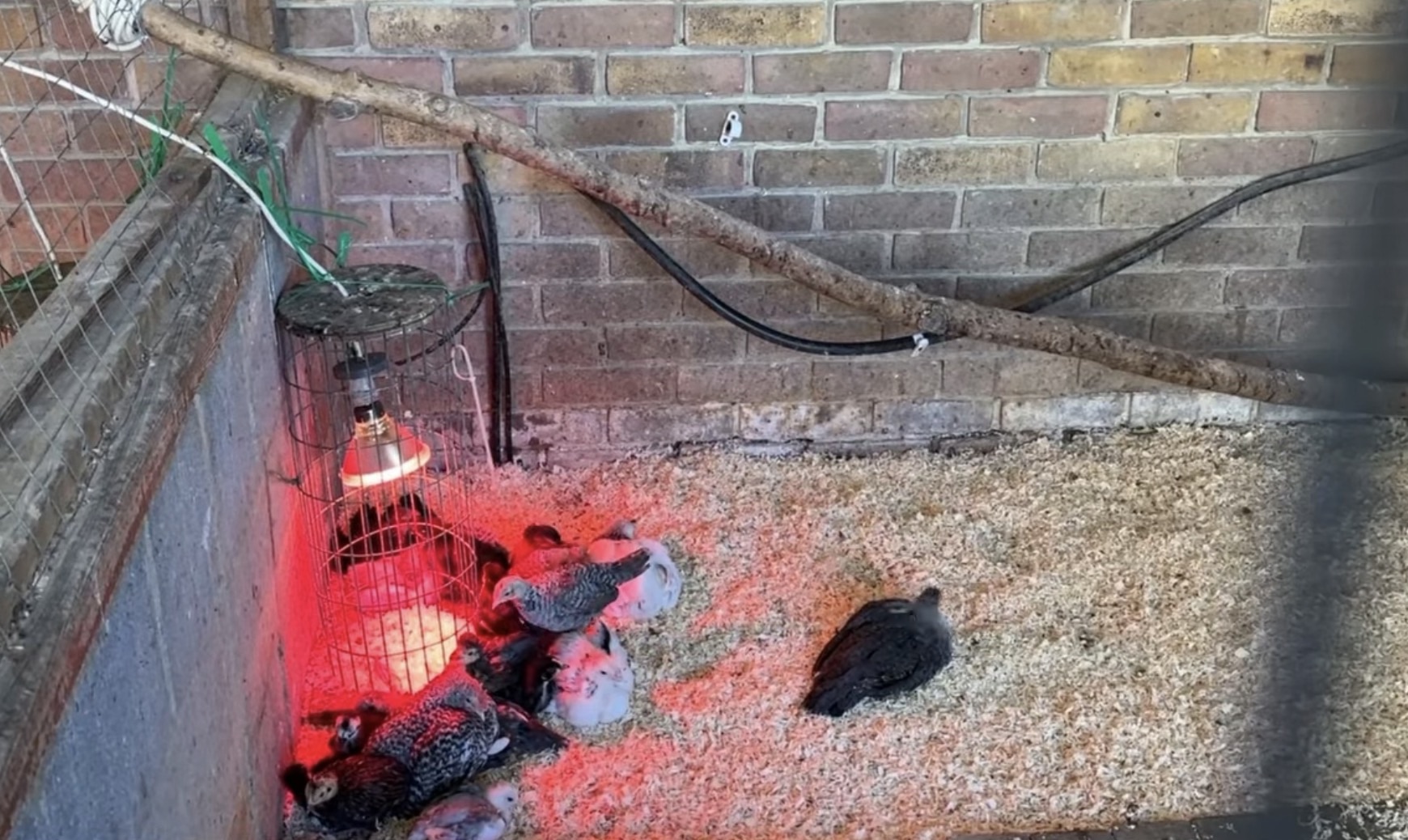
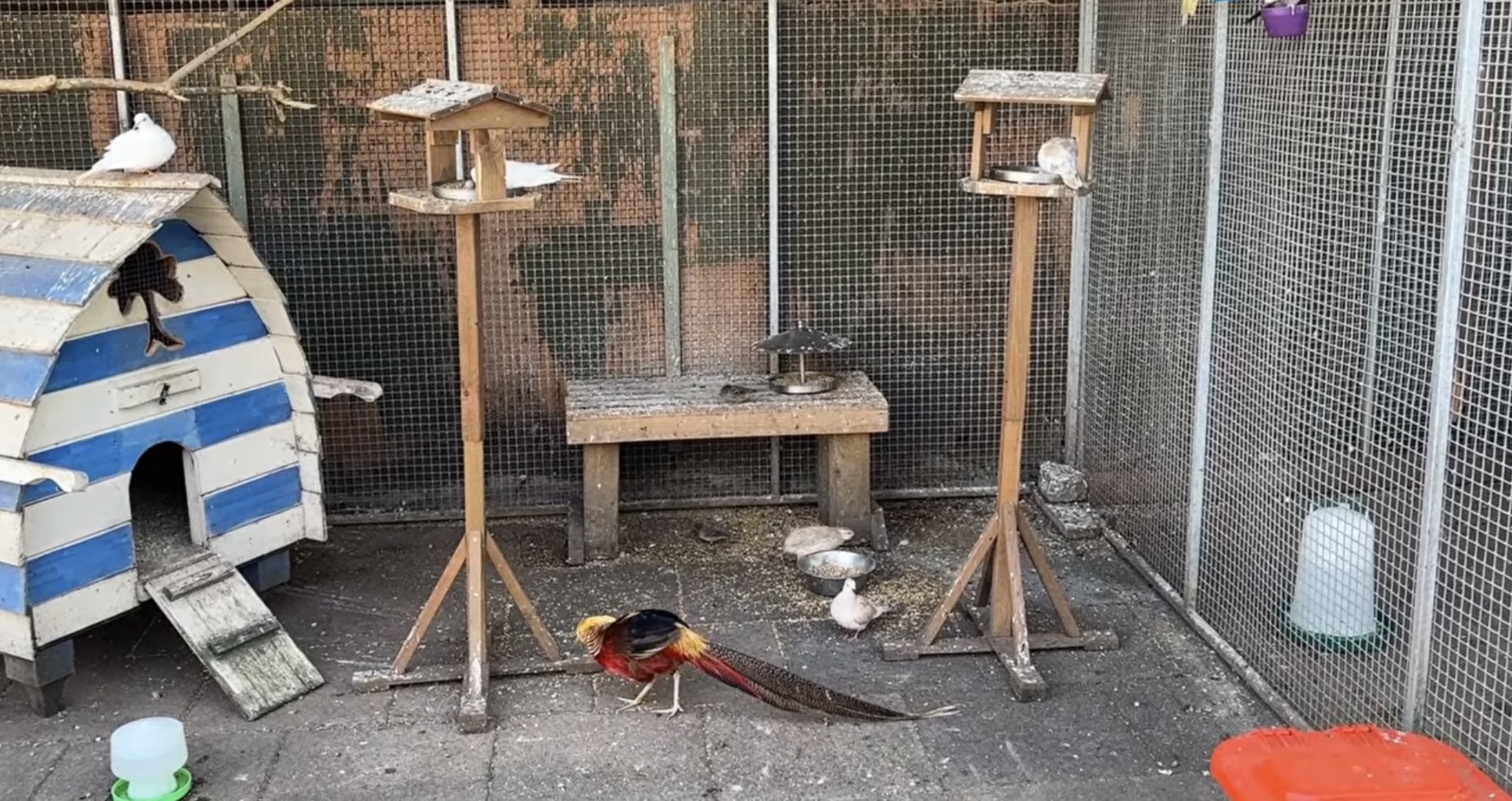
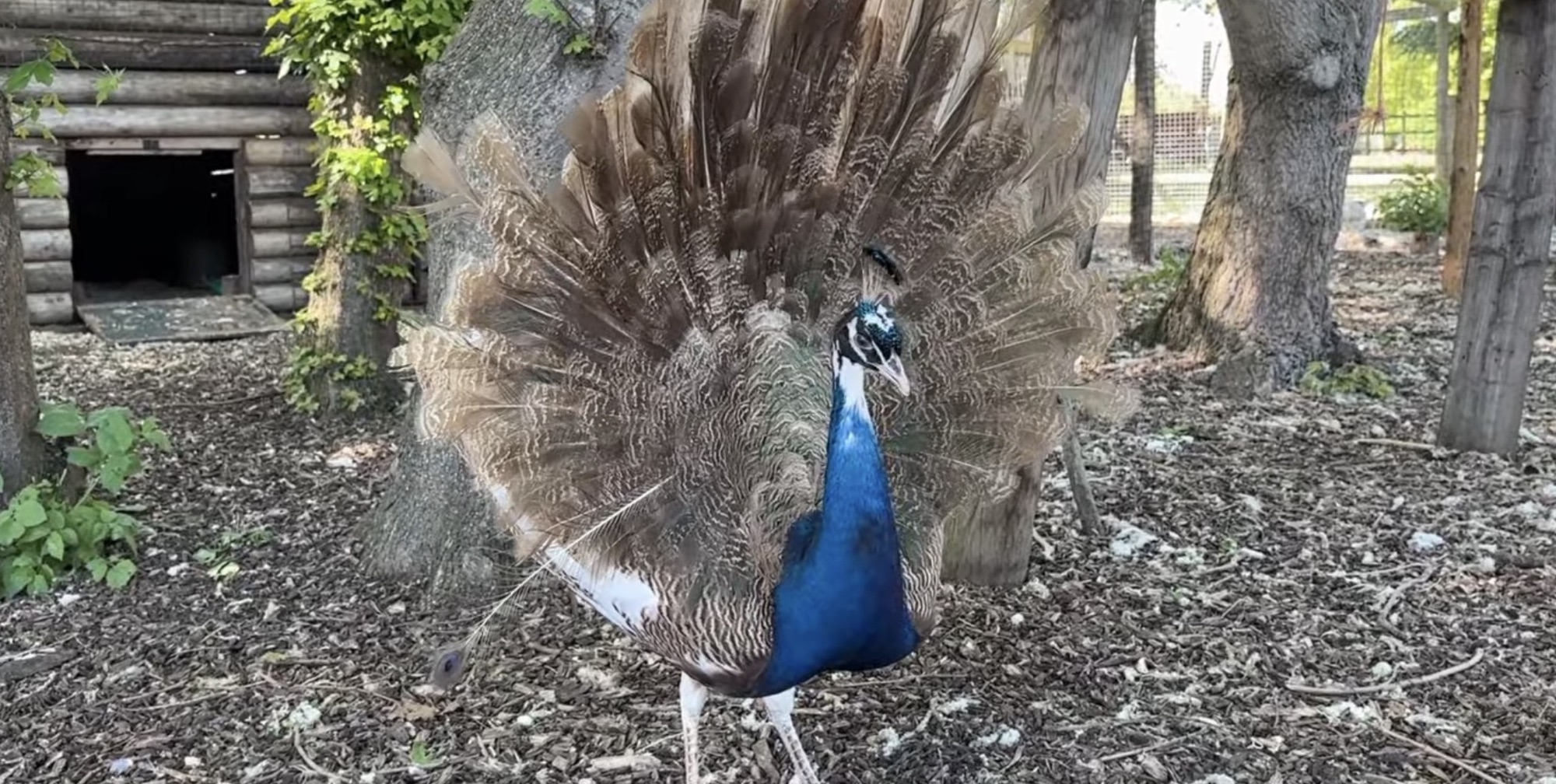
Visitors may find tiny chicks huddled under a heat lamp, which is the kind of scene that stalls a whole family for ten minutes. Elsewhere there is an aviary with a golden pheasant and a peacock that is perfectly happy to be admired.
Sheep, Skyscrapers and Open Space
What struck me most was how close you are to Canary Wharf. Sheep rest on the grass while the towers rise behind them. You are surrounded by the city, yet it feels like you have stepped somewhere completely different.
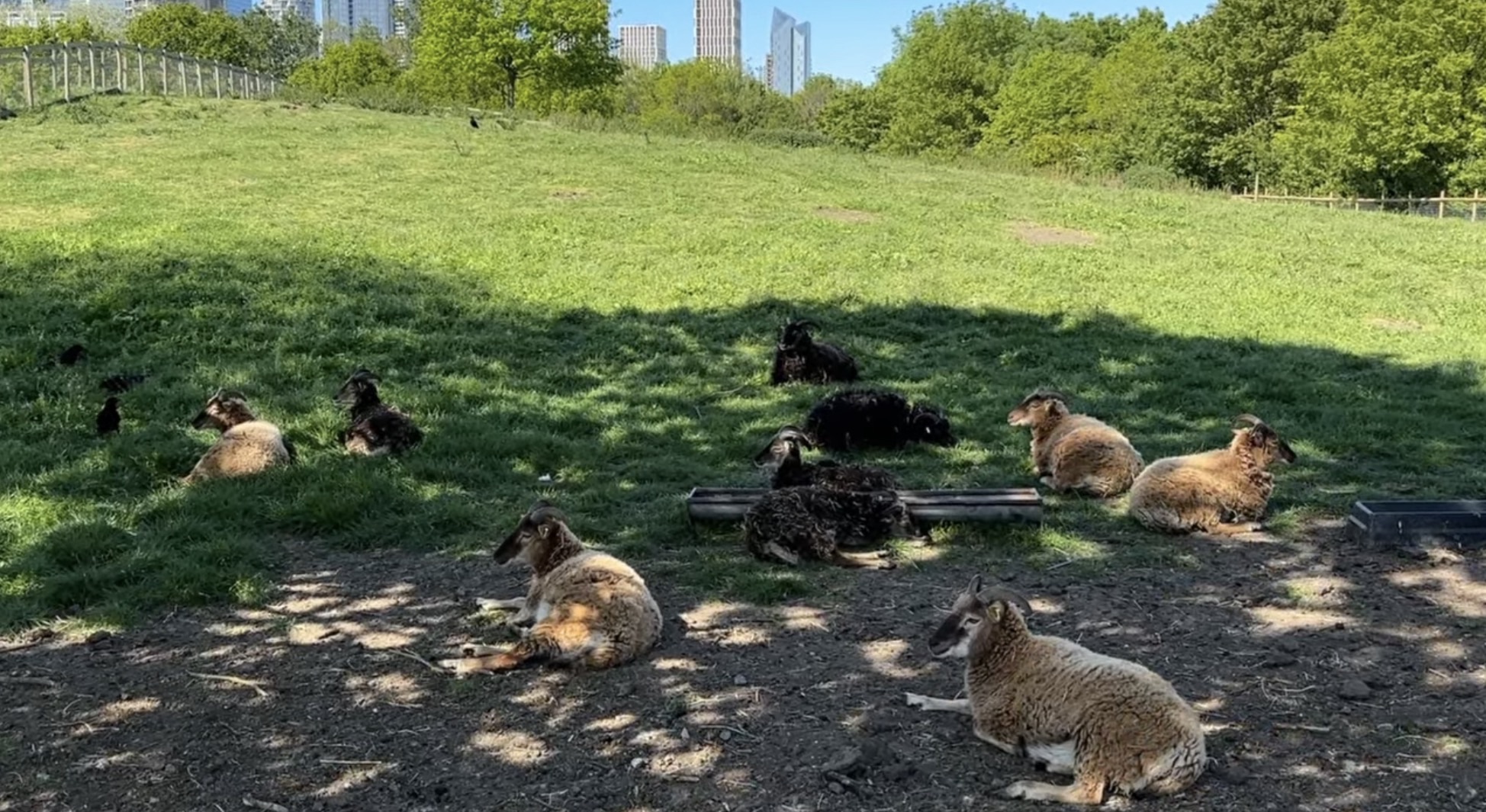
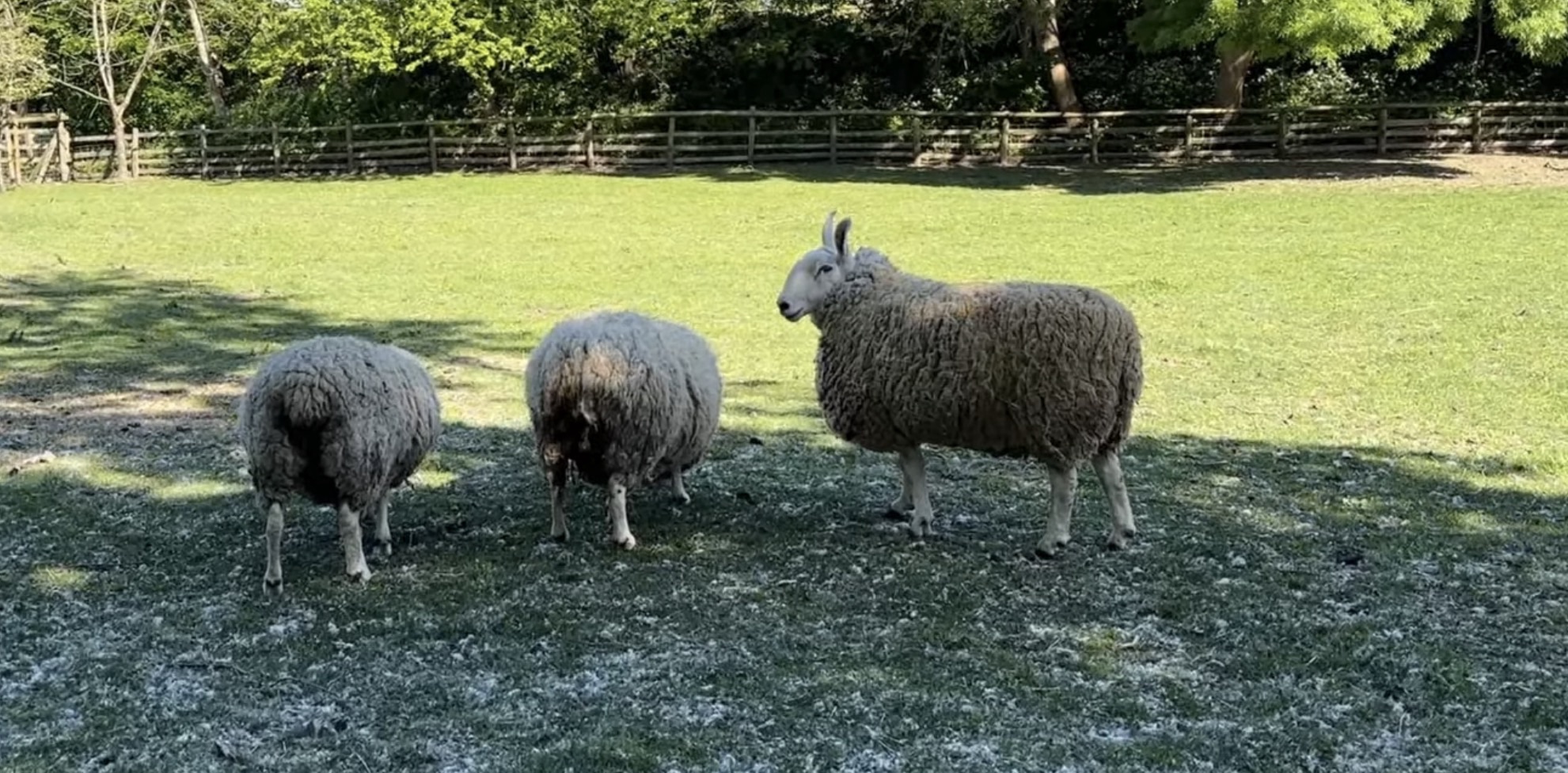
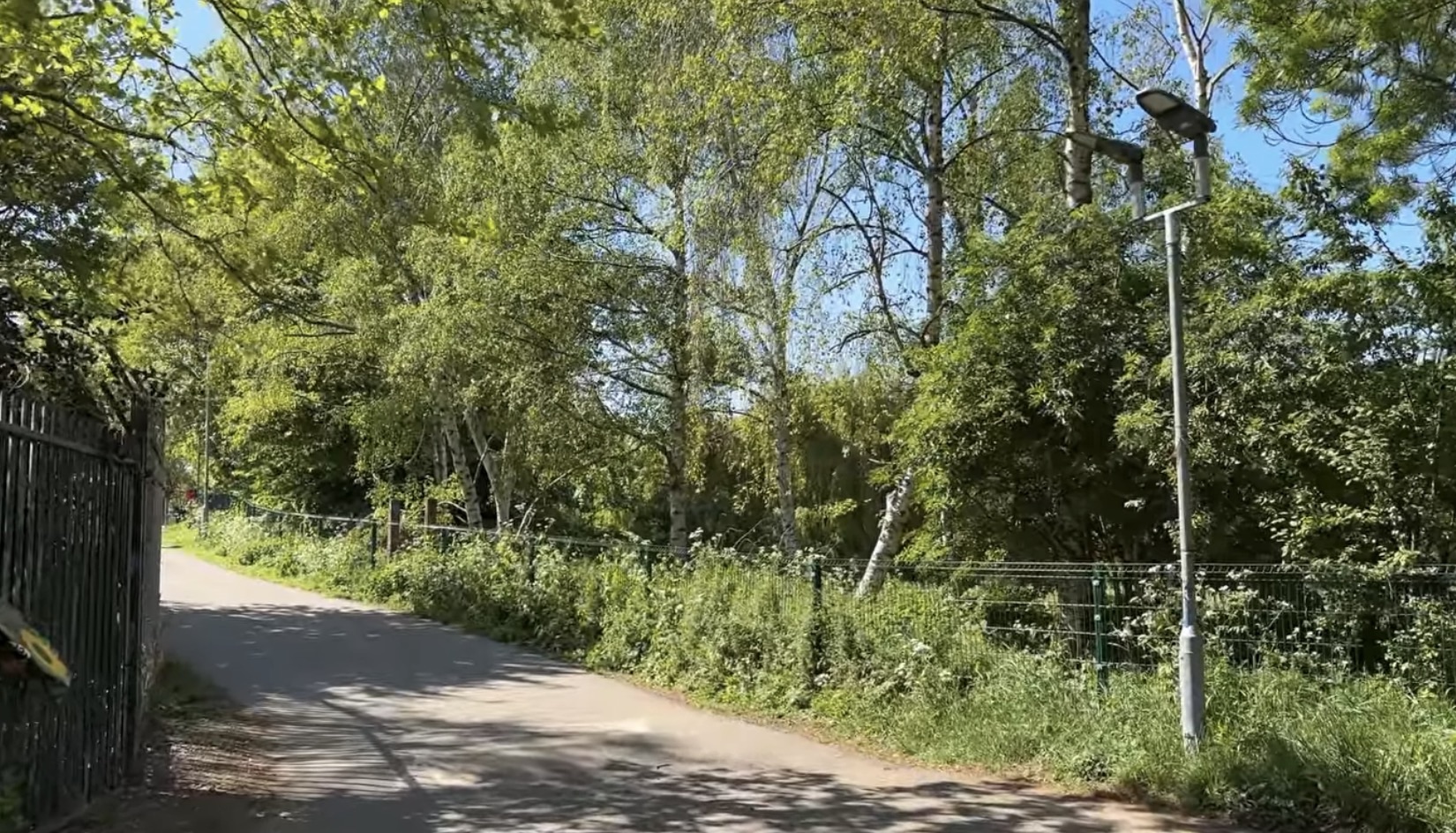
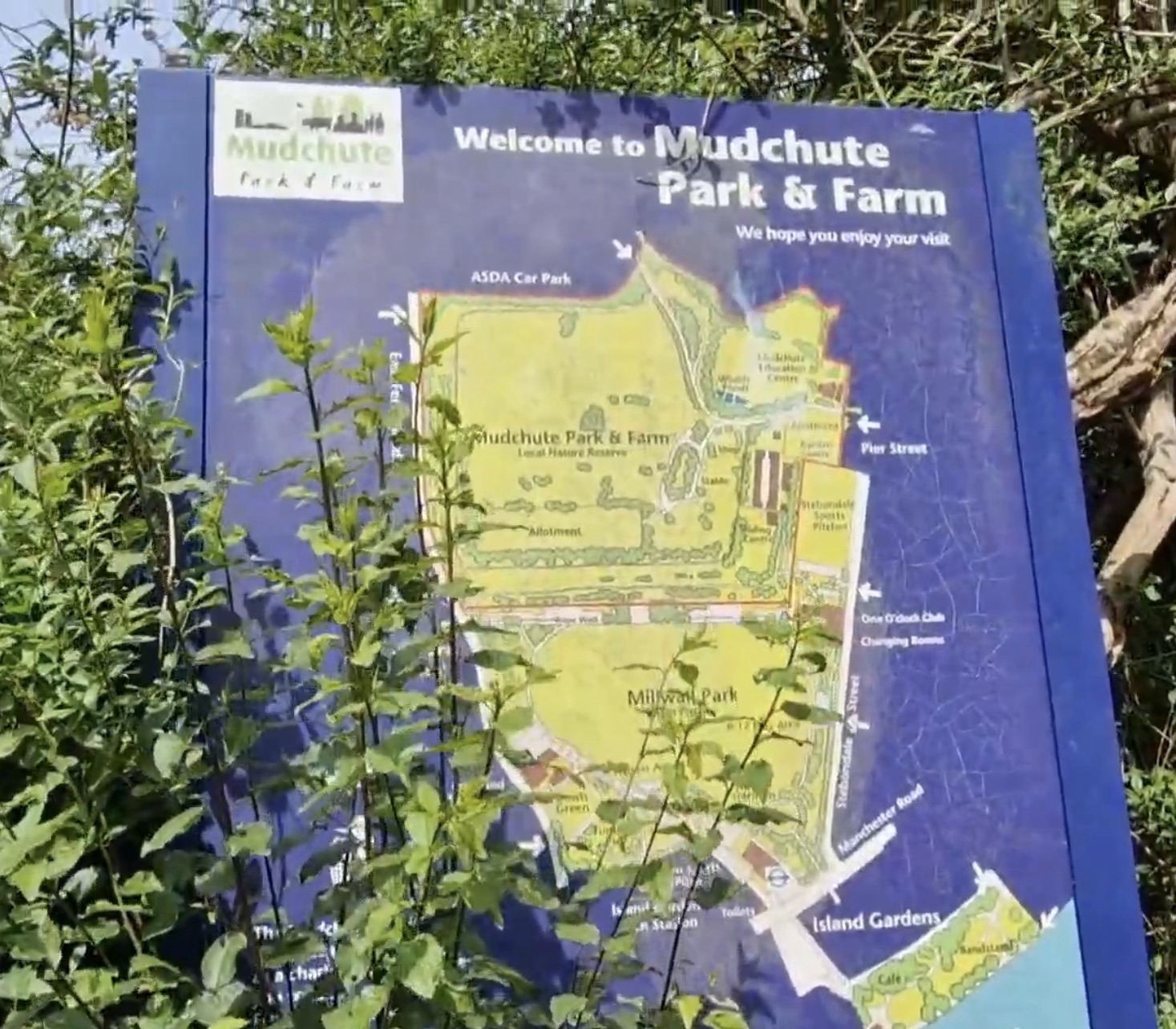
The site is big. Mudchute covers about 32 acres (13 hectares), and there is a lovely garden and allotment area as well as paths between the fields. The farm describes itself as one of the largest inner-city farms in Europe, with more than 100 animals and fowl, many of them British rare breeds. Beyond the animals, quiet tree-lined paths are ideal for a slow walk, or for putting your headphones on and listening to a podcast.
Rare Breeds and a Working Conservation Farm
Mudchute is more than a petting zoo. The farm describes itself as London’s only Rare Breed Survival Trust Approved Conservation Farm Park, and says its animals are British rare breeds. The one breed it names on its animals page is the Dexter, a small hardy kind of cattle, and you will also find pigs, sheep, goats, donkeys, llamas, geese and turkeys on the same list. In total the farm counts over 100 animals and fowl.
The farm also runs school visits, animal experiences, a holiday club and an adopt-an-animal scheme, all of which help fund a site that is free to enter. If you enjoy the visit, a donation at the gate or buying a bag of pellets is the simplest way to give something back.
A Bit of History: Mud and Guns
The odd name has a plain explanation. The land was once a dumping ground for mud dredged from the Millwall Docks, which was pumped here as a liquid slurry through pipes. During the Second World War the hill held a heavy anti-aircraft battery, and a gun on display recalls that time. After the war the future of the site was uncertain, and after a community campaign the land was kept as open space instead of being built over for housing. The farm and garden were established in 1977 and are run today by the Mudchute Association, a registered charity.
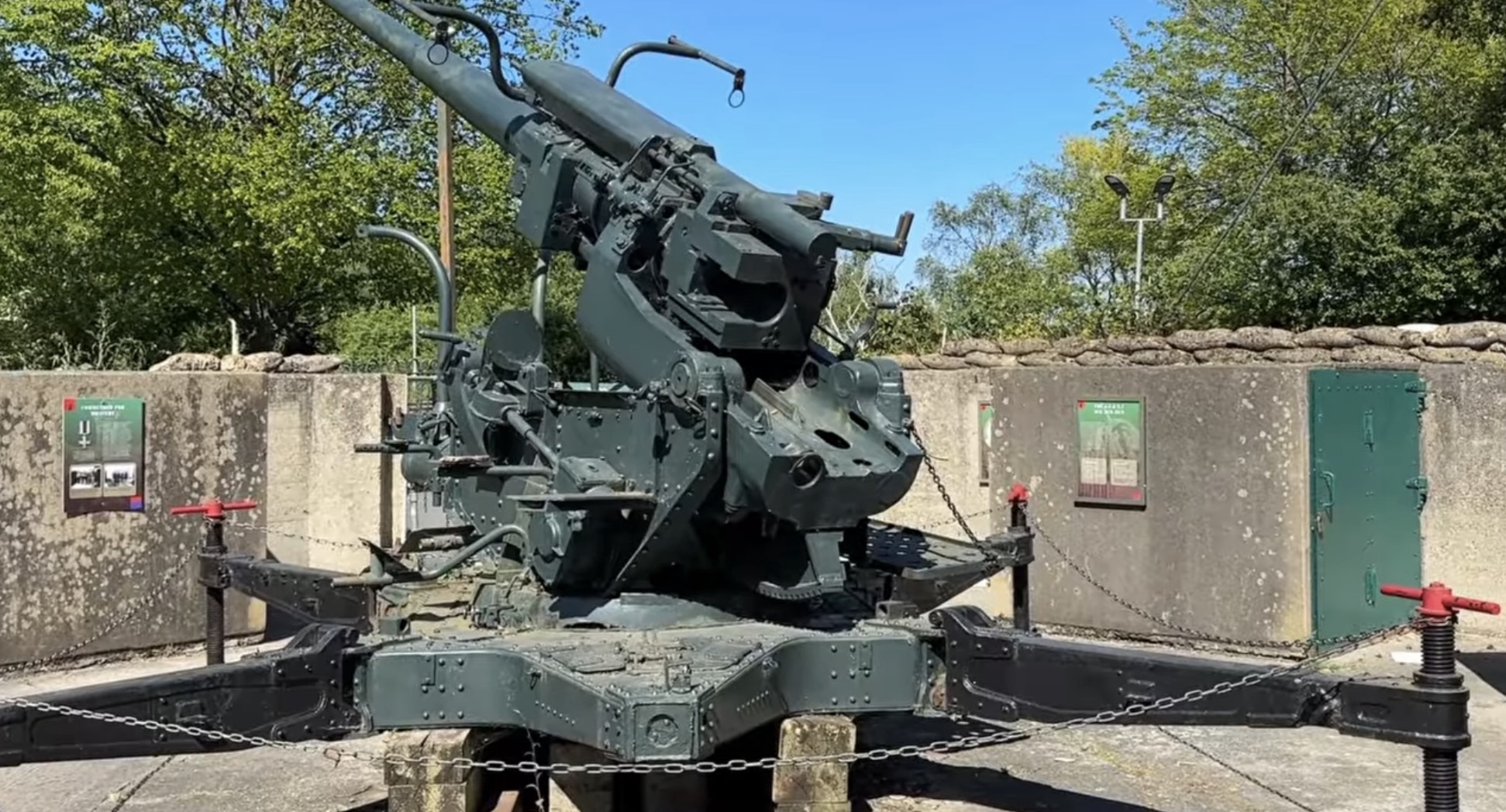
| 1860s | Spoil from excavating Millwall Docks, and later silt dredged from its channels, is dumped on the land. Official documents first spelled the name “Mud Shoot”. |
|---|---|
| Dredging years | Dock engineer Frederic Eliot Duckham designs a pneumatic system that pumps liquefied mud over East Ferry Road. Poplar Borough Council complains about the smell and links the mud to disease, but cannot stop the dumping. |
| 1940 to 1945 | Four heavy anti-aircraft guns stand on the higher ground, fired by remote control using radar. On 8 September 1940 bombs destroy the guardroom, canteen and stores, with no casualties. |
| Early 1970s | The Port of London Authority plans to pass the land on for housing. The Association of Island Communities campaigns to keep it as public open space. |
| 1977 | The newly formed Mudchute Association establishes the farm and garden. |
Today the site is a local nature reserve and is classed as a Site of Metropolitan Importance for Nature Conservation, so the land is valued for its wildlife as well as its animals. It also includes the Martyn Daniels Community Garden and a community food garden, so it is worth wandering beyond the animal fields.
Café and Facilities
There is a café with a pleasant seating area, called Mudchute Kitchen, where you can have something to eat and rest your legs. If you have read older guides, note that horse riding is no longer offered: the farm says its equestrian centre has closed and it no longer stables horses. After meeting the animals there are hand-washing points and toilets, so the day stays comfortable for families.
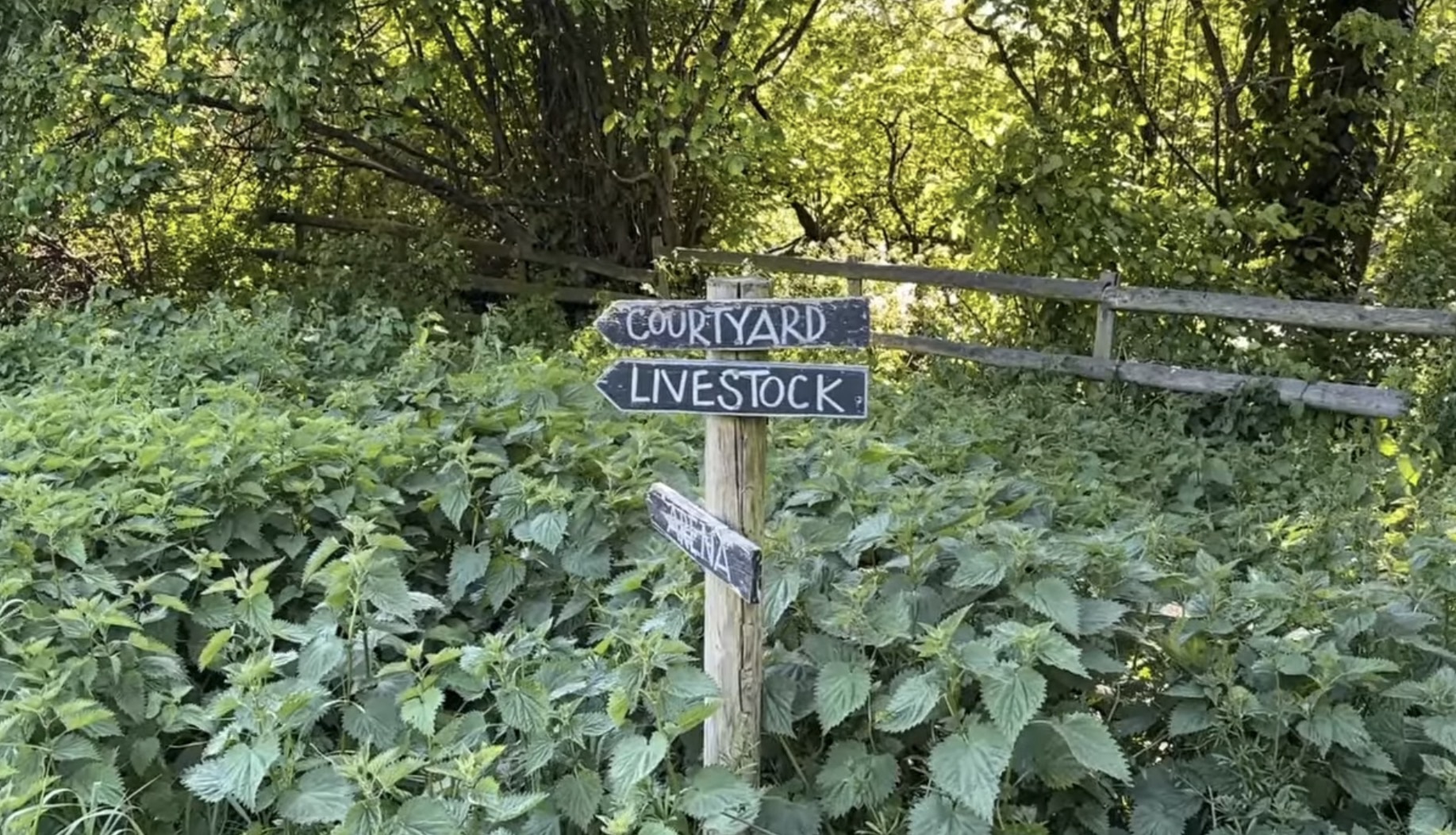
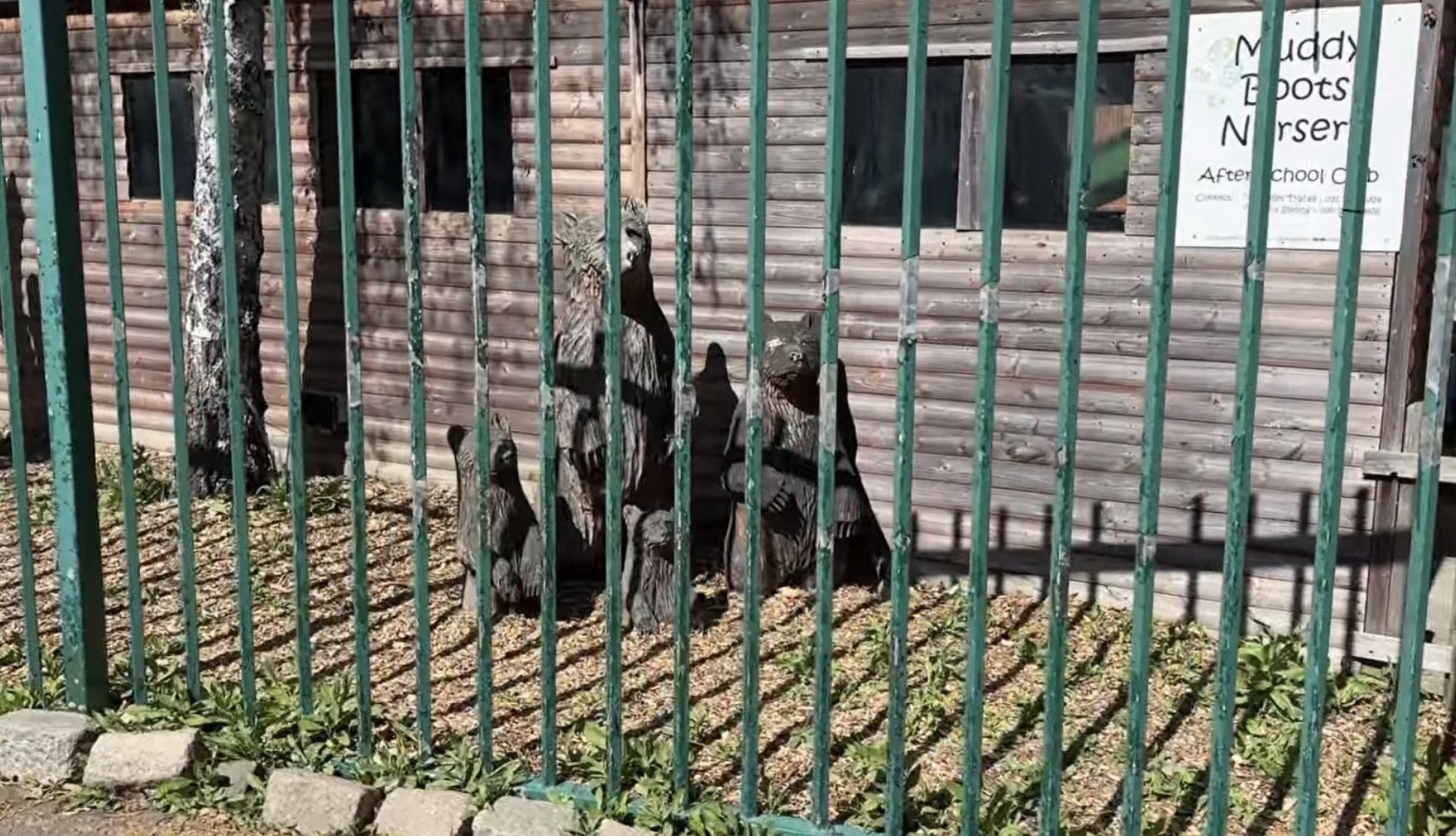
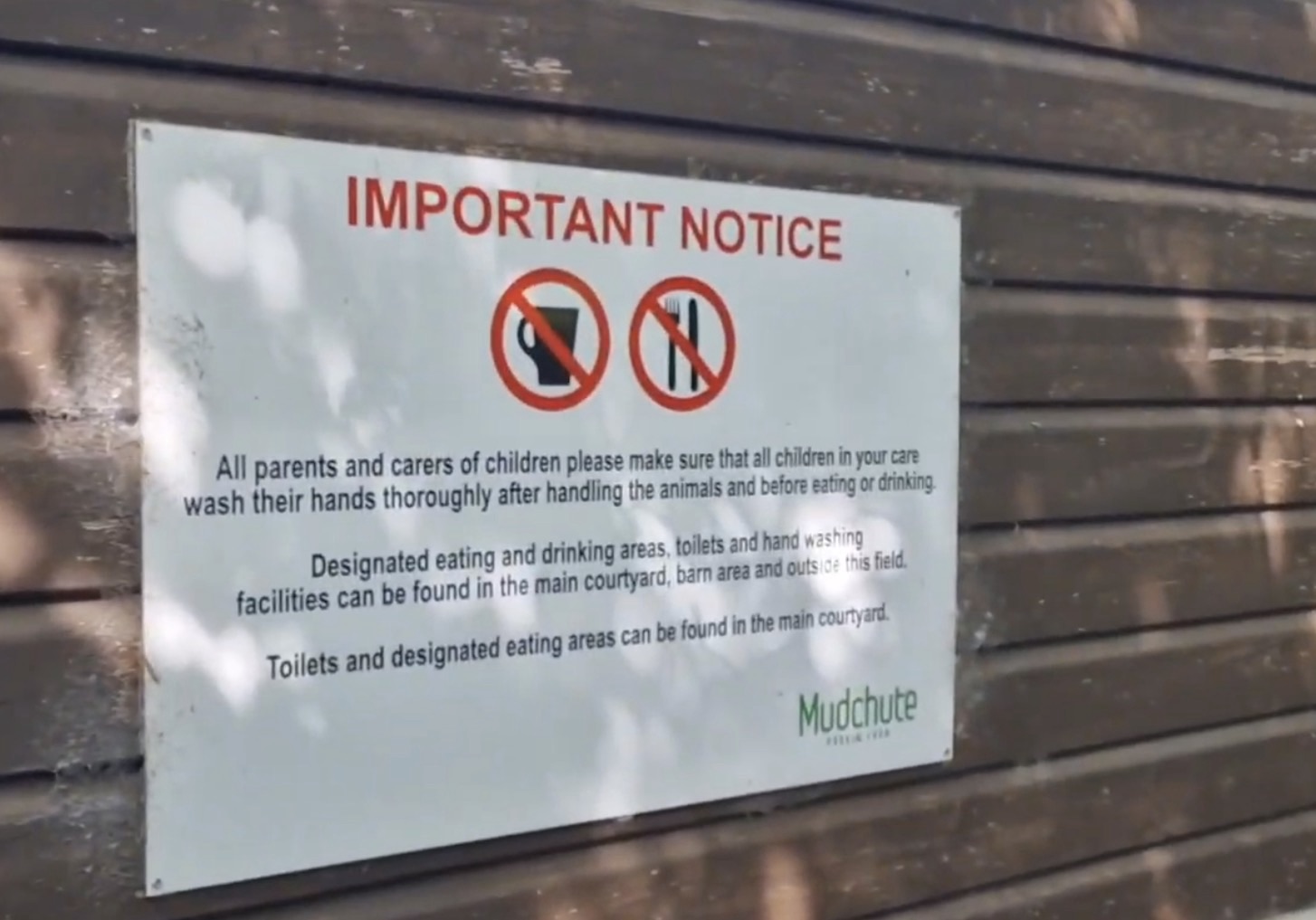
Farm Rules in Short
- Follow the hygiene code and wash your hands after touching animals.
- Feed animals only with farm pellets or freshly picked grass, never supermarket food.
- Do not picnic in the animal grazing fields; use the eating areas.
- Wear sturdy footwear, as some paths are natural earth and get muddy after rain.
- Use the litter bins, and keep dogs on a lead around livestock and in the animal areas.
Practical Tips Before You Go
- Bring a second pair of shoes. The farm suggests alternative footwear for the paths, which are also bridle paths, and asks you to wash your hands after changing back into your original shoes.
- Do not feed supermarket food. Following advice from the Animal and Plant Health Agency, supermarket fruit and vegetables may no longer be fed to the animals. Buy grass pellets on site, or use fresh grass picked there.
- Eat in the designated areas. The grazing fields are not suitable for picnics.
- Allow at least two hours, and visit both the farm courtyard and the farm itself. Staff in the main office in the stable yard can give directions.
- Arrive before mid-afternoon. With animals heading to bed around 3pm in winter and 4pm in summer, a late visit means fewer animals out.
- Visiting as a group? Educational group visits are arranged through the farm’s Education department.
How to Get There
Mudchute is on Pier Street, Isle of Dogs, London E14 3HP. The farm’s own visitor page recommends Crossharbour DLR, about a ten-minute walk to the main courtyard. Mudchute DLR station is also in the neighbourhood, and Island Gardens station is not far away. The farm says there is no parking, so use public transport, a bike or your own feet.
Plan Your Visit
| Entry | Free; donations welcome |
|---|---|
| Farm | Daily 9am to 4pm; animals sheltered from 3pm |
| Park | Daily, dawn to dusk |
| Café | Tuesday to Sunday, 10am to 5pm |
| Pets corner | Closed Mondays and school holidays; limited hours |
| Allow | At least two hours |
| Contact | 020 7515 5901 |
Is It Worth It?
Yes, particularly if you live reasonably close. Entry is free, it is wonderful for children, and it is a real bargain of a day out. There is plenty of space to spend a few hours here, and the contrast with the skyline makes it feel like a small escape.
Frequently Asked Questions
Is Mudchute Farm free?
Yes. Entry is free, although donations help the charity keep running.
Which station is nearest?
Crossharbour DLR is recommended by the farm, about ten minutes’ walk. Mudchute DLR is also close.
Can I feed the animals?
Only with farm pellets or freshly picked grass. Supermarket food is not allowed.
Is it good for children?
Very. There is a children’s play area, lots of animals and plenty of space.
How long should I stay?
Allow at least two hours; many visitors stay longer.
Can I bring my dog?
Yes. Dogs must be on a lead around livestock and in the animal areas, and you need to clear up after them. The café is dog friendly.
Nearby guides: Greenwich Park, Mile End Park and Victoria Park
Author
Steve visits every park featured on EKS Parks in person, checking practical details against councils, park operators and official sources. Every guide is based on a personal visit, and the photographs published with it are his own.
About Steve