

After quite a long time, I finally made my way up to Greenwich Park to see the view for myself. I had heard about the views from the higher part of the park, but seeing the city from there in person was something completely different.
First impression: once I reached the top, I stopped for a while just to take everything in. The view opens up across Greenwich and the city, with the tall buildings stretching out in the distance. With the sunlight giving everything a golden look, the whole scene felt especially beautiful.
Starting PointThrough the Queen’s House
The walk began near the Queen’s House, part of Royal Museums Greenwich, before heading up into the park itself. A small garden sign along the way pointed out what was blooming in one of the herbaceous borders, a nice reminder to slow down before the climb.


The ClimbSigns Along the Way Up
The path up the hill passed a few signs worth pausing for, one explaining the restoration of the historic grass terraces known as the Grand Ascent, and another pointing onward to Cutty Sark, the National Maritime Museum and the Queen’s House for anyone continuing their Greenwich day.


Near the top, the Royal Observatory itself came into view, its entrance signage and a plaque thanking the supporters of the Time Galleries marking the last stretch of the climb.


A red caution sign near the viewpoint was a useful, if slightly blunt, reminder that a busy spot like this one attracts pickpockets as well as sightseers.

The ViewGolden Light Over the City
The view opens up across Greenwich and the city, with the tall buildings stretching out in the distance. With the sunlight giving everything a golden look, the whole scene felt especially beautiful.


There were plenty of people around enjoying the same view. Some were sitting down, others were taking photos, and everyone seemed to be making the most of the sunshine. I found somewhere to sit as well and spent some time simply looking out over the city.
A landmark board nearby helped make sense of the skyline, matching buildings on the horizon to their names, useful for picking out which tower belonged to which part of London.

The view from Greenwich Park has a different feeling from being down among the buildings. From up here, you can actually see how large the city is, all at once. For a moment, the tall buildings even gave me a little feeling of being somewhere like Times Square in New York.
Around the ViewpointA Map, a Statue and a Clock
Just behind the viewpoint, a park map laid out everything else worth exploring, from the Rose Garden to the deer paddock, useful for deciding where to go next.

Close by stands the statue of General Wolfe, its plinth inscribed as a gift from the Canadian people, unveiled in 1930.

Right at the Observatory gate, a beautiful old clock face caught my eye, one of the earliest electrically driven public clocks in the country, still keeping Greenwich Mean Time to this day. A set of information panels nearby explained the clock, the Time Ball on top of Flamsteed House, and the old British Yard standard set into the wall beside them.


Back Down the HillA Street Sign and a Market
Heading back down toward Greenwich town, King William Walk marked the route back into the streets around the park.

A weekend market had set up nearby, stalls stretched out along the path with everything from crafts to, rather unexpectedly, a stand selling dog clothing and accessories. It was a lively, unplanned way to end the walk back down.


Looking BackWorth Every Step of the Climb
It was a simple visit, but I really enjoyed the experience. Sitting up there with the city in front of me, enjoying the sunshine and taking in the view, made the walk up completely worth it.
Practical InformationEverything Else I Didn’t Cover in the Walk
Getting There
- Greenwich Station and Cutty Sark DLR work best for a day that starts with the Queen’s House, the town centre or the riverside, as I did on this visit.
- Maze Hill is more convenient for the eastern side of the park.
- There is no Underground station directly serving the park; National Rail, DLR and buses are the practical options.
Parking
- Vehicle access is through Blackheath Gate, with parking along Blackheath Avenue.
- Stays are limited, so it suits a shorter upper-park visit better than a full day combining the park with Greenwich’s museums.
The Climb
- The route from the Queen’s House and Greenwich town up toward the Observatory and viewpoint is genuinely steep, noticeable even without a pushchair or mobility concerns.
- Entering from Blackheath or the upper side avoids most of the climb, useful for families or anyone who’d rather skip it.
The Royal Observatory
- A separate, paid attraction from general park access, home to the Prime Meridian, Flamsteed House and the historic Shepherd Gate Clock at the entrance.
- Check Royal Museums Greenwich directly for current opening hours and admission prices before visiting, as these change seasonally.
Facilities
- The Pavilion Café sits near the Observatory, convenient right after the climb.
- The Ignatius Sancho Café is near Vanbrugh Gate, closer to the family side of the park.
- Standard Royal Parks toilets use contactless payment, so a card or mobile wallet is useful.
- Weekend markets sometimes set up along the paths near the town side, worth a browse on the way in or out.
Staying Alert
- Signs near the main viewpoint warn that thieves operate in the area, a fair reminder given how busy and distracted people get while taking in the view.
- Keeping bags zipped and phones close is sensible around the crowded Observatory viewpoint.
What to See
- The famous skyline view from beside the Royal Observatory
- The Shepherd Gate Clock and the information panels on time and measurement standards
- The General Wolfe statue and the Queen’s House at the bottom of the hill
- The wider upper park, including gardens, the deer paddock and boating pond, if there’s time beyond the viewpoint
Dogs
- Welcome across much of the park when kept under control.
- Not permitted inside the Flower Garden or the Wilderness Deer Paddock.
How Long to Spend
- 45–90 minutes: the climb up, time at the viewpoint, and the walk back down.
- Half a day: add the Queen’s House, a market if one’s on, and a wander through the upper park.
- A full day: combine it with the wider Greenwich sightseeing route, including Cutty Sark and the National Maritime Museum.
Best Time to Visit
A sunny afternoon gave the view its golden light on this visit, but the viewpoint gets busy quickly once the weather is good. Early mornings would likely offer a calmer version of the same view.
Nearby
- The Queen’s House and National Maritime Museum, right at the foot of the hill.
- Cutty Sark, a short walk toward the river.
- Greenwich town centre, with its markets and restaurants.
Frequently Asked Questions
Is the climb up to the viewpoint difficult?
It’s noticeably steep. On this visit it wasn’t a problem, but anyone concerned about the incline might prefer entering from Blackheath or the upper side instead.
Is the view really worth it?
Yes. Seeing the city spread out from the top, especially with good light, felt like something you have to experience in person rather than just see in photos.
Do you need a ticket for the Royal Observatory to see the view?
No, the outdoor viewpoint next to the Observatory is free. The Observatory building itself, including the Prime Meridian line inside, is a separate paid attraction.
Is Greenwich Park free to visit?
Yes, general access to the park is free.
Research Method
This guide is based on a personal visit to Greenwich Park, starting near the Queen’s House and climbing up toward the Royal Observatory and the main viewpoint, before heading back down through Greenwich town. All photographs above are original and were taken on site, including the climb, the signage, the viewpoint itself and the market encountered on the way back down. Practical details such as station names, café locations and general access were checked against The Royal Parks and Royal Museums Greenwich; opening hours and admission prices change seasonally, so check current information before travelling.
Official & Useful Sources
The Royal Parks, Greenwich Park
Used to verify current park management, access and general visitor information.
https://www.royalparks.org.uk/visit/parks/greenwich-park
Royal Museums Greenwich, Royal Observatory
Used to verify Observatory opening hours and admission before travelling.
https://www.rmg.co.uk/plan-your-visit/opening-times
On-site observations from the visit
The Grand Ascent, the viewpoint, the Shepherd Gate Clock panels, the General Wolfe statue and the market near King William Walk, as seen and photographed during the walk.
Last checked: 3 September 2026
Nearby guides: Mudchute Park & Farm, Southwark Park and Danson Park
Author
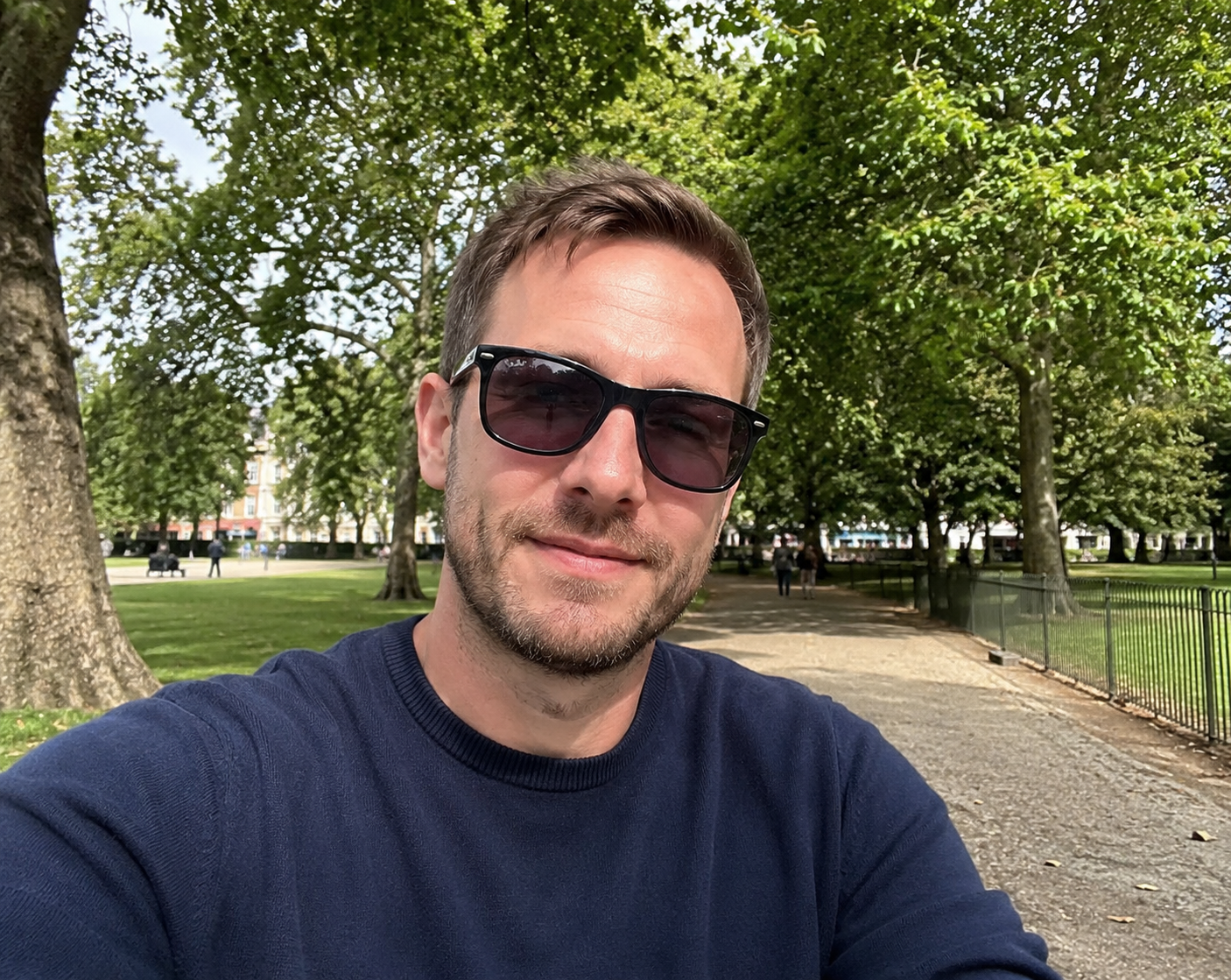
Steve visits every park featured on EKS Parks in person, checking practical details against councils, park operators and official sources. Every guide is based on a personal visit, and the photographs published with it are his own.
About Steve