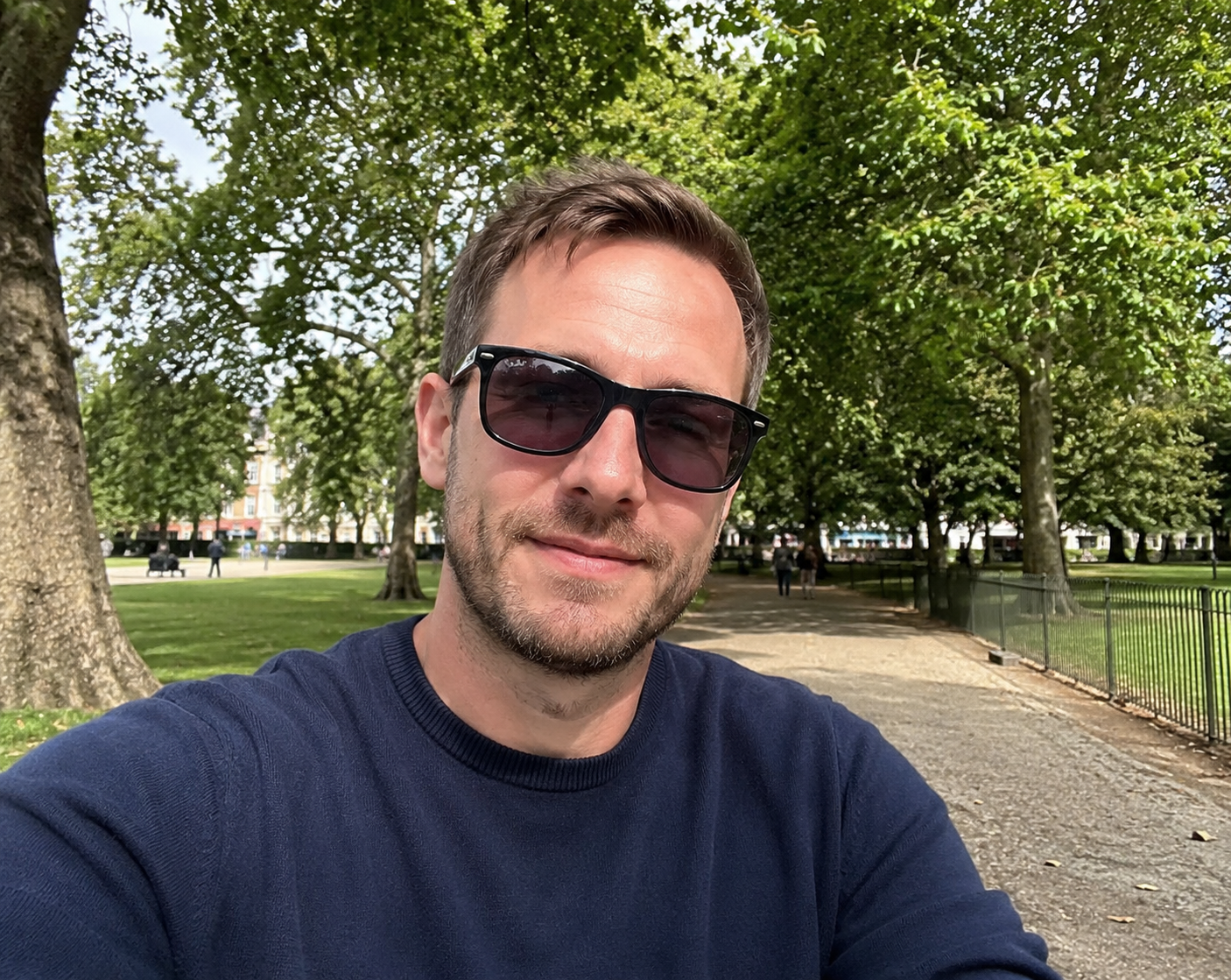
Battersea Park is one of London’s most varied family parks, combining a large lake, free playgrounds, a paid children’s zoo, high-rope adventures, historic gardens, sports facilities and a riverside walk beside the Thames.
The park was created during the Victorian period and formally opened in 1858. Today, its historic layout is mixed with facilities from later periods, including the Festival of Britain gardens, contemporary art spaces, modern sports areas and attractions designed specifically for families.
Because so many different activities share the same 200-acre landscape, a visit is easier when one area is chosen as the starting point. Families visiting the zoo will use the riverside side differently from visitors arriving for Go Ape, the free playgrounds or the Millennium Arena.
Why Visit Battersea Park?
For Families
Free play areas, the Children’s Zoo, boating, cafés and open lawns provide enough variety for a half-day or full-day visit.
For Active Visitors
Go Ape, athletics, sports pitches, cycling, cricket, tennis, running routes and a trim track create several ways to exercise.
For Quieter Time
The Peace Pagoda, lake, Old English Garden, Sub-Tropical Garden and Thames promenade offer calmer alternatives to the main activity zones.
Understanding the Layout
Battersea Park is bordered by the Thames to the north, Albert Bridge Road to the west, Prince of Wales Drive to the south and Queenstown Road to the east.
Riverside and Western Side
This area is useful for the Peace Pagoda, Children’s Zoo, Albert Bridge views, Go Ape and Putt in the Park.
Central Lake Area
The boating lake, Pear Tree Café, Pump House Gallery, gardens and broad lawns form the park’s most attractive central walking area.
Eastern Sports Side
The Millennium Arena, all-weather pitches, cricket areas, trim track and cycle-hire point are concentrated towards the east.
Southern Family Side
Free playgrounds and several practical facilities can be reached from Prince of Wales Drive and nearby gates.
Free Children’s Playgrounds
Battersea Park offers free open-access playground facilities separate from the paid Children’s Zoo and Go Ape. The council’s main toddler-and-junior playground is listed for children aged 4–14.
Equipment includes swings, slide units, exercise stations, trapeze bars, an activity rocker and stationary play equipment. A separate adventure-play area is described for older and more active children, while younger children can use the more age-appropriate toddler facilities.
Best For
- Children who want free outdoor play
- Families combining play with a picnic
- A shorter visit without paid attractions
- Children who need active climbing or swinging
Before You Go
- Choose the correct playground for the child’s age
- Check park opening and maintenance notices
- Use nearby toilets before settling in
- Supervise children near shared cycle and walking routes
Battersea Park Children’s Zoo
Battersea Park Children’s Zoo is a compact, family-run attraction designed to be manageable with younger children. It houses more than 100 animals, including small mammals, birds, reptiles and farm animals.
Visitors may see animals such as meerkats, monkeys, otters, lemurs, coatis, emus, pigs and smaller domestic species. Keeper talks and feeding sessions add structure to the visit, while play areas help children remain engaged between enclosures.
Current day-ticket prices
| Ticket | Current Price |
|---|---|
| Family | £53.95 for 2 adults and 2 children, or 1 adult and 3 children |
| Adult, age 16–59 | £17.50 |
| Child, age 2–15 | £13.95 |
| Under 2 | Free |
| Senior, age 60+ | £16.50 |
| Registered disabled adult | £16.50 with one carer admitted free |
| Registered disabled child | £12.95 with one carer admitted free |
Online tickets remain valid for one visit within 30 days of purchase, and advance booking is not compulsory. Prices and seasonal closing times can change, so verify them before travelling.
Go Ape Battersea Park
Go Ape occupies the south-west corner of the park near Albert Gate. The high-rope courses run through mature trees and offer a paid adventure experience that is completely different from the free playgrounds.
Different courses have their own age, height and supervision requirements, so the correct experience should be selected before booking. Visitors also need suitable outdoor clothing and closed footwear.
Useful Location Information
- Closest walking entrance: Albert Gate
- Cabin beside Putt in the Park
- Public toilets around 1–2 minutes away
- Closest parking: Albert Gate car park
Accessibility for Spectators
- Main site paths are flat and concreted
- Wheelchairs and pushchairs can reach the cabin
- Main spectator areas are accessible
- Accessible toilets include baby changing
Dogs are allowed in the wider park but are not permitted in the playground directly beneath the course. Contact Go Ape before booking when a participant has specific accessibility requirements.
The Boating Lake
The large central lake is one of the park’s strongest visual features. During warmer weather, visitors can normally hire rowing boats or pedal boats from the dock near Pear Tree Café.
Boating is weather-dependent and usually continues into late September on suitable weekends. Tickets and current prices are displayed at the boating kiosk rather than treated as a fixed year-round tariff.
Walking around the lake
The lakeside route remains worthwhile when boats are unavailable. Visitors can pass the Pump House Gallery, Pear Tree Café, wildlife areas and garden entrances while staying close to seating and refreshments.
Some sections of the lake are managed more for wildlife than recreation. Children should remain supervised near open water, and visitors should avoid disturbing nesting birds.
The Peace Pagoda
The Peace Pagoda stands beside the Thames and is one of Battersea Park’s most recognisable landmarks. It was constructed by monks, nuns and volunteers from the Nipponzan Myohoji Buddhist order and completed in 1985.
The white structure contains gilded representations of the Buddha and was created as a focus for peace and opposition to nuclear weapons. Its riverside setting makes it particularly striking in morning and evening light.
Thames Riverside Walk
The riverside promenade provides views towards Chelsea, Albert Bridge, Chelsea Bridge and the development around Battersea Power Station.
This route is flatter and more direct than the winding paths around the gardens and lake, making it useful for pushchairs, mobility aids, running and a quick walk with limited time.
Best for Architecture
Albert Bridge is especially attractive near dusk, while Battersea Power Station dominates views towards the east.
Best for a Short Walk
Enter near Albert Bridge, pass the pagoda and continue towards Chelsea Bridge before turning back through the park.
Best for a Longer Day
Continue towards Battersea Power Station for shops, restaurants and the Underground station.
Historic Gardens
Battersea Park contains several gardens created in different periods. Visiting more than one reveals how the park has changed from Victorian horticulture through the Festival of Britain and into modern restoration projects.
Sub-Tropical Garden
First created in 1863 by John Gibson, it became one of Britain’s earliest public displays of dramatic foliage and colourful exotic planting. The restored garden still uses shelter and careful planting to create a warmer-feeling landscape.
Old English Garden
A smaller enclosed garden with benches, water and traditional planting. It offers a quieter atmosphere away from the sports and family zones.
Russell Page Garden
This area recalls the Festival of Britain Pleasure Gardens of 1951 and the work of influential landscape designer Russell Page.
Winter Garden
Designed to provide colour, scent, bark and structure during the colder part of the year, when summer bedding is absent.
Rosery and Promontory Gardens
These restored areas provide seasonal planting, seating and, in the Promontory Garden, views towards the Thames.
Thrive and Herb Gardens
Smaller garden spaces reflect therapeutic horticulture and practical planting, although access or opening arrangements can vary.
Pump House Gallery
The Pump House Gallery is a Grade II-listed contemporary-art space beside the boating lake. Its distinctive multi-storey building and terrace overlook the Pump House Lawn.
Exhibitions, workshops and public programmes vary through the year. Entry arrangements should be checked against the current programme rather than assuming that every floor is permanently open.
Sports and Exercise
Battersea Park supports a wide range of formal and informal sport. The Millennium Arena and Gym provide athletics and fitness facilities, while cricket, football, hockey and other activities use outdoor pitches and courts.
In July 2026, refurbished all-weather sports pitches reopened, following improvements to the playing surfaces. Upgraded cricket nets had also opened earlier in the summer.
Bookable or Managed Facilities
- Millennium Arena and Gym
- All-weather sports pitches
- Cricket pitches and upgraded nets
- Tennis and organised coaching
- Football, hockey and team sport
Informal Activity
- Running routes
- Trim track
- Walking
- Cycling on permitted routes
- Rollerblading and general fitness
The trim track is located between the Millennium Arena and Pear Tree Café. Bookings, charges and opening hours for formal sports should be checked with the relevant operator.
Cycling and Cycle Hire
Battersea Park’s carriage drives provide an attractive traffic-reduced environment for family cycling. Riders must still slow down around pedestrians, playgrounds, cafés and busy entrances.
Cycle hire has traditionally operated near the Millennium Arena through London Recumbents, offering standard and unusual family cycles. Confirm current opening before travelling specifically to hire.
Food and Drink
Visitors have more refreshment options than in many public parks, although opening hours vary by venue and season.
| Venue | Best For |
|---|---|
| Pear Tree Café | Lakeside meals, drinks and a central rest stop near boating |
| Putt in the Park | Pizza, snacks, coffee and refreshments beside mini golf and Go Ape |
| Tea Terrace kiosk | Sandwiches and drinks between the fountains and zoo |
| North Carriage Drive snack bar | Quick refreshments near the eastern carriage drive |
| Sports-area snack bar | Drinks and snacks near the all-weather pitches and playground |
Picnics are welcome on the lawns. Bringing water and snacks is still helpful because queues and seasonal closures can affect the park venues.
Public Toilets
Wandsworth lists several public-toilet facilities in Battersea Park. These include toilets near the Pier Point area and other locations serving the main family, sports and café zones.
Accessible toilets and baby-changing facilities are available in parts of the park, including near Go Ape. Availability may change because of cleaning or maintenance, so check the current map when accessibility is essential.
Accessibility
Many principal routes are paved, broad and relatively level. The Thames promenade, main carriage drives, Go Ape spectator area and central paths can be used with wheelchairs and pushchairs.
Helpful Features
- Broad paved routes
- Accessible public toilets
- Baby-changing facilities
- Flat riverside promenade
- Accessible Go Ape cabin and spectator space
- Blue Badge parking concessions
Points to Check
- Accessibility of a specific zoo enclosure or play area
- Adapted sport and activity arrangements
- Temporary event closures
- Muddy garden paths after heavy rain
- Distance from the chosen car park
Parking
Paid car parks operate inside Battersea Park. Charges apply from 9:00am to 5:00pm, including public and bank holidays.
| When | Current 2026 Tariff |
|---|---|
| Monday–Friday, up to 1 hour | £3.40 |
| Monday–Friday, up to 2 hours | £6.80 |
| Monday–Friday, up to 3 hours | £10.20 |
| Monday–Friday, up to 4 hours | £13.60 |
| Monday–Friday, up to 5 hours | £17.00 |
| Monday–Friday, up to 6 hours | £20.40 |
| Monday–Friday, over 6 hours | £31.40 |
| Saturday–Sunday, up to 3 hours | £3.40 |
| Saturday–Sunday, over 3 hours | £6.80 |
RingGo users currently pay an additional 18p convenience fee. Motorcycles park free. Blue Badge holders may park free for up to three hours on weekdays when the badge and time clock are displayed; at weekends there is no listed time limit.
Getting There
By Train
Battersea Park and Queenstown Road are the closest National Rail stations for the eastern and southern sides of the park.
By Underground
Battersea Power Station on the Northern line is within walking distance of the eastern side and works well when the park visit is combined with the Power Station development.
Sloane Square can also be used for an approach across Chelsea Bridge or Albert Bridge, although it involves a longer walk.
By Bus
Several routes serve Albert Bridge Road, Queenstown Road, Battersea Park Road and Chelsea Bridge. Use live TfL information because routes and stops can be affected by roadworks and major events.
By Bicycle
The park connects with riverside and local cycling routes. Use authorised paths, reduce speed around pedestrians and check where riding is restricted.
By Car
Vehicle access and parking are available from park roads, including the Albert Gate and Rosery car-park areas. Arrive early during warm weekends and major events.
Opening Hours
Wandsworth Council separates general park operating hours from wider gate access:
| Area or Facility | Official Arrangement |
|---|---|
| Park opening times | 8:00am until dusk |
| Access through park gates | 6:30am–10:30pm |
| Free playgrounds | Generally follow park access hours, subject to maintenance |
| Children’s Zoo | From 10:00am daily; seasonal closing times |
| Boating | Warmer months and suitable weather |
| Go Ape, sports and galleries | Separate booking and operating hours |
Events, weather and maintenance can temporarily affect gates, roads or individual facilities. Check the official park page before a special journey.
A Practical Family Route
Book the zoo or Go Ape before organising the rest of the day.
Children can play before queues and tiredness develop.
Check boating, have lunch at Pear Tree Café or complete a short waterside circuit.
Add a quieter stop rather than moving directly from one active attraction to another.
Walk towards the Peace Pagoda, Albert Bridge or Battersea Power Station.
Best Time to Visit
Spring
Gardens begin to flower, temperatures suit walking and the park is less crowded than during peak summer weekends.
Summer
Boating, long daylight, picnics and outdoor attractions are at their strongest, but parking and family areas become busier.
Autumn
Mature trees and lakeside paths create attractive colour, while cooler weather suits running and longer walks.
Winter
The Winter Garden and riverside remain worthwhile, although boating and some kiosks may not operate.
How Long Should You Allow?
One to Two Hours
Choose the lake, pagoda, riverside or one free playground.
Half a Day
Add the zoo, Go Ape or boating with a café stop and short garden walk.
A Full Day
Combine a paid family attraction with sports, multiple gardens, riverside walking and nearby Battersea Power Station.
Useful Tips Before You Go
- Choose the correct entrance for your main attraction.
- Check zoo, Go Ape and sports times separately.
- Do not promise boating without confirming operation.
- Bring spare clothes for active playground visits.
- Arrive early when driving at weekends.
- Display a Blue Badge and time clock correctly.
- Keep children close around the lake and Thames.
- Respect the Peace Pagoda as a spiritual site.
- Bring water even when planning to use a café.
- Save the park map before starting a long route.
Frequently Asked Questions
Is Battersea Park free?
General entry, the public gardens, riverside, lake walks and council playgrounds are free. The Children’s Zoo, Go Ape, boating, parking and organised sports charge separately.
Is there a playground?
Yes. Free open-access playground facilities are available for different age groups. The Children’s Zoo also has play areas inside its paid entrance.
How much is Battersea Park Children’s Zoo?
Current 2026 prices include £17.50 for an adult, £13.95 for a child aged 2–15 and £53.95 for the listed family ticket. Under-twos enter free.
Are boats available every day?
No. Rowing and pedal boats operate in warmer months, subject to weather, staffing and maintenance.
Is there a café?
Yes. Pear Tree Café is beside the lake, while Putt in the Park and several kiosks provide additional food and drink.
Can you visit the Peace Pagoda?
Yes. It stands in the open riverside area and can be viewed free of charge. Visitors should treat it respectfully and avoid climbing on the structure.
Is there parking inside the park?
Yes. Paid off-street car parks operate inside Battersea Park. Charges apply from 9:00am to 5:00pm, including weekends and public holidays.
Is the park wheelchair accessible?
Many main paths and the Thames promenade are broad, paved and level. Accessibility varies between attractions, so check specific requirements with the zoo, Go Ape or sports operator.
What is the nearest station?
Battersea Park and Queenstown Road are the closest National Rail stations. Battersea Power Station is the nearest Underground station for the eastern side.
Are dogs allowed?
Dogs are welcome in much of the park when kept under control. Restrictions apply around children’s play, zoo areas, sports facilities and other signed locations.
Is Battersea Park Worth Visiting?
Yes. Few central or inner-London parks combine so many different experiences in one place. Families can use free playgrounds, book the zoo or Go Ape, visit the lake and still finish with a peaceful riverside or garden walk.
Our Final Assessment
Battersea Park is at its best when visitors accept that they will not see everything in one short visit. The zoo, Go Ape, sports areas, gardens and riverside each deserve time, and the distances between them can be underestimated.
Its greatest strength is choice. A family can build a low-cost day around free play and picnics, or create a more substantial outing with zoo tickets, boating or high ropes.
The main disadvantages are paid parking, seasonal activity schedules and the need to check different operators separately. With a clear plan, it remains one of London’s strongest all-round family parks.
Facilities Summary
| Feature | Status | Planning Note |
|---|---|---|
| General entry | Free | Gates normally accessible 6:30am–10:30pm |
| Free playgrounds | Yes | Choose the correct age area |
| Children’s Zoo | Paid | Open from 10:00am; seasonal closing |
| Go Ape | Paid and booked | Age, height and supervision rules apply |
| Boating | Paid and seasonal | Weather-dependent |
| Peace Pagoda | Free | Open riverside monument |
| Pump House Gallery | Programme-dependent | Check current exhibitions |
| Historic gardens | Free | Seasonal interest varies |
| Cafés and kiosks | Available | Hours vary by venue |
| Sports facilities | Mixed free and booked | All-weather pitches upgraded in 2026 |
| Public toilets | Available | Several park locations |
| Accessible toilets | Available | Check the nearest facility |
| Paid parking | Available | Weekday and weekend tariffs differ |
| Thames promenade | Free | Mostly flat and paved |
Official Information
This is an independently written visitor guide. Fixed and time-sensitive details were checked against Wandsworth Council, Battersea Park Children’s Zoo, Go Ape, Enable and Battersea Park information pages. Confirm current operation before travelling.
- Wandsworth Council: Battersea Park
- Wandsworth Council: Battersea Park Playground
- Wandsworth Council: Battersea Park Parking
- Battersea Park Children’s Zoo: Opening Times
- Battersea Park Children’s Zoo: Ticket Prices
- Go Ape Battersea Park
- Battersea Park: Activities
- Battersea Park: Gardens
- Battersea Park: Peace Pagoda
- Enable: Pump House Gallery
Last reviewed: 25 July 2026