

I came to Richmond Park without really knowing how the day would turn out. I had seen pictures before, but I wanted to experience the park for myself, walk around and see what was actually there.
First impression: from the beginning, it felt completely different from an ordinary London park. Richmond Park is huge, with large open areas, trees and plenty of space to explore. You really need time if you want to see more of it, and walking is a big part of the experience. You can also cycle around, and there are places where you can hire bicycles or even go horse riding.
No Fixed RouteStarting Near Isabella Plantation
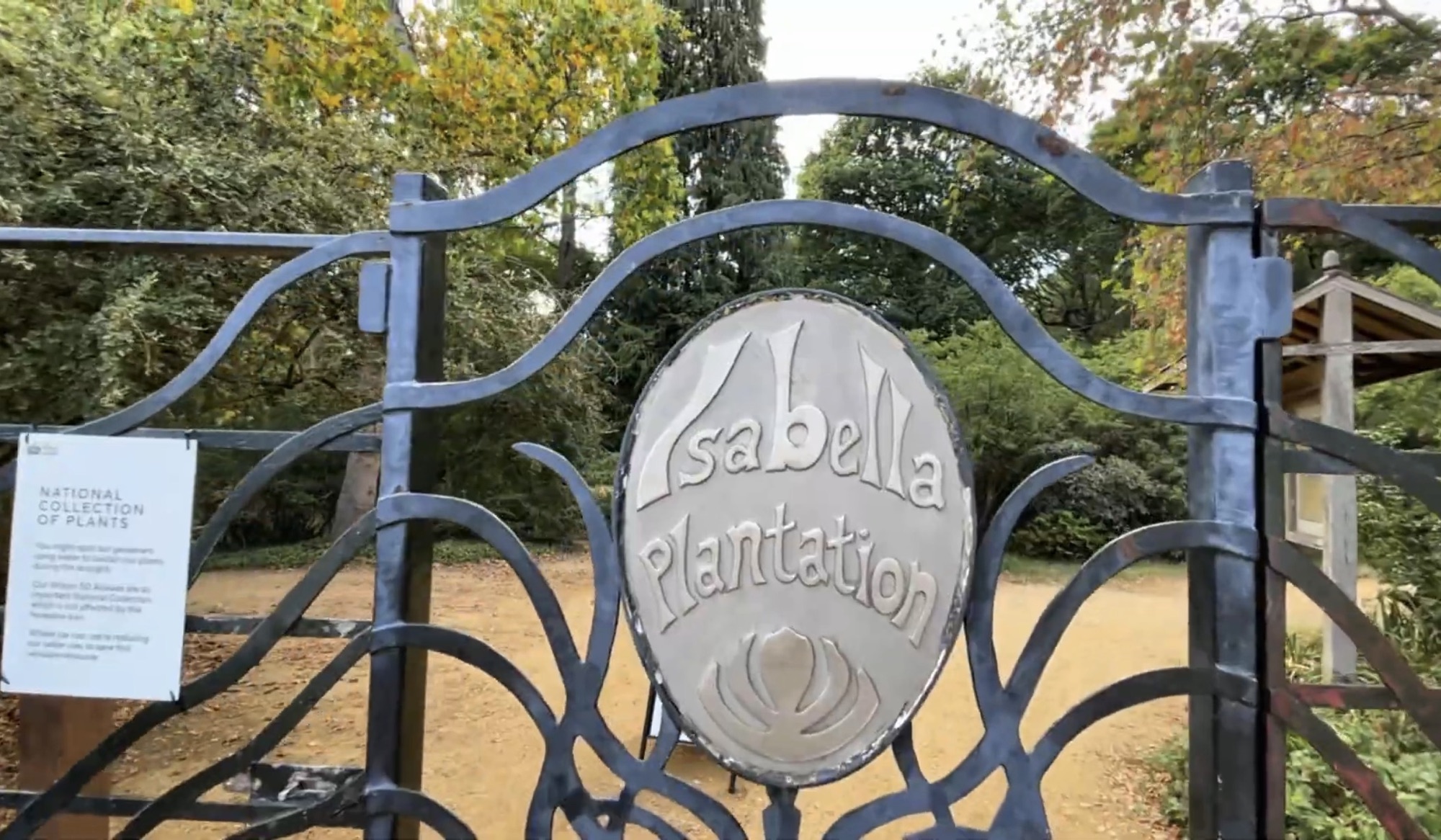
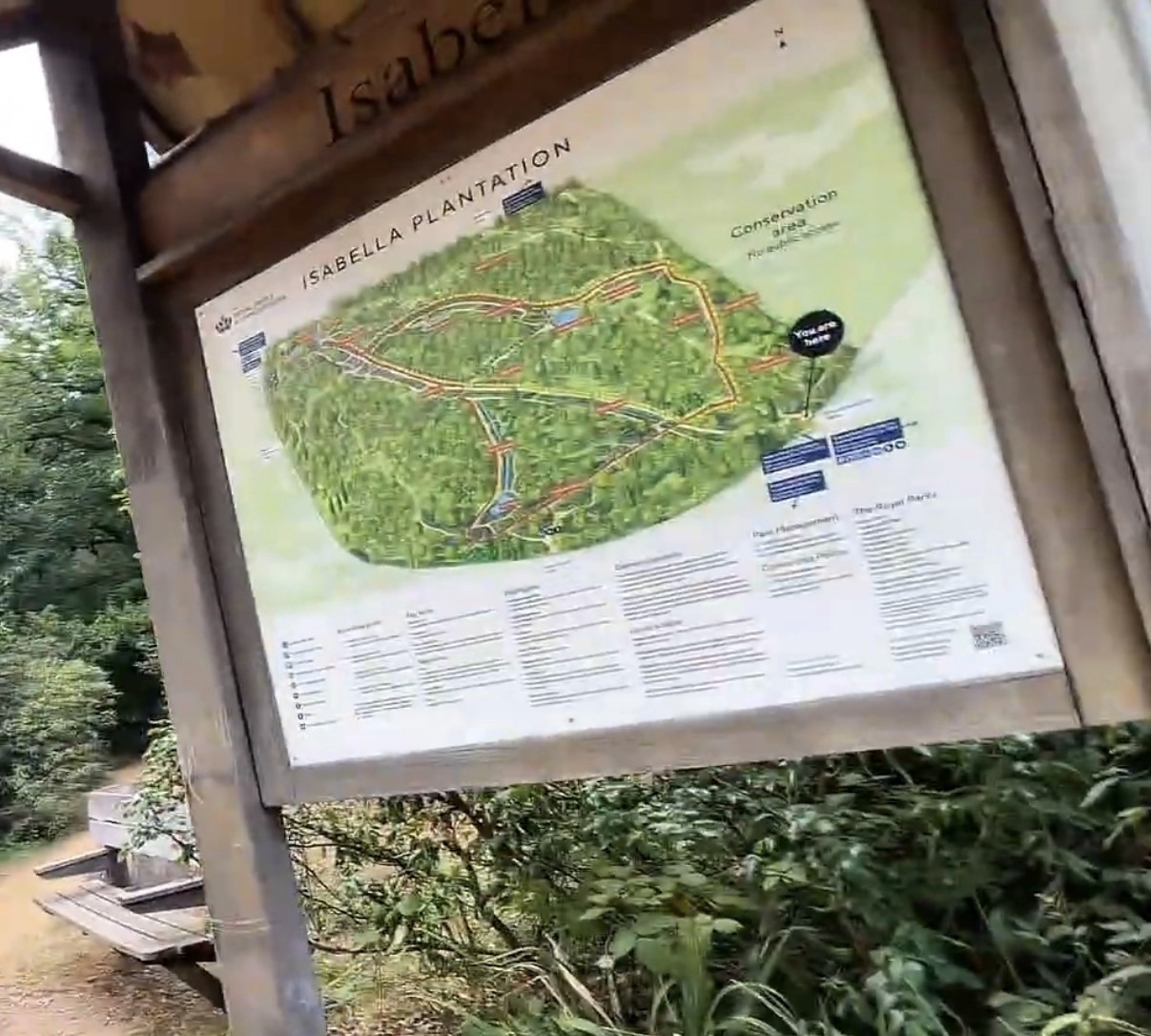
One of the first places I explored was around Isabella Plantation. I didn’t follow a strict route. I just walked and decided where to go as I went along. I liked that feeling because there was always something different around the next corner.
Wide Open SpaceThe Nature Was One of My Favourite Parts
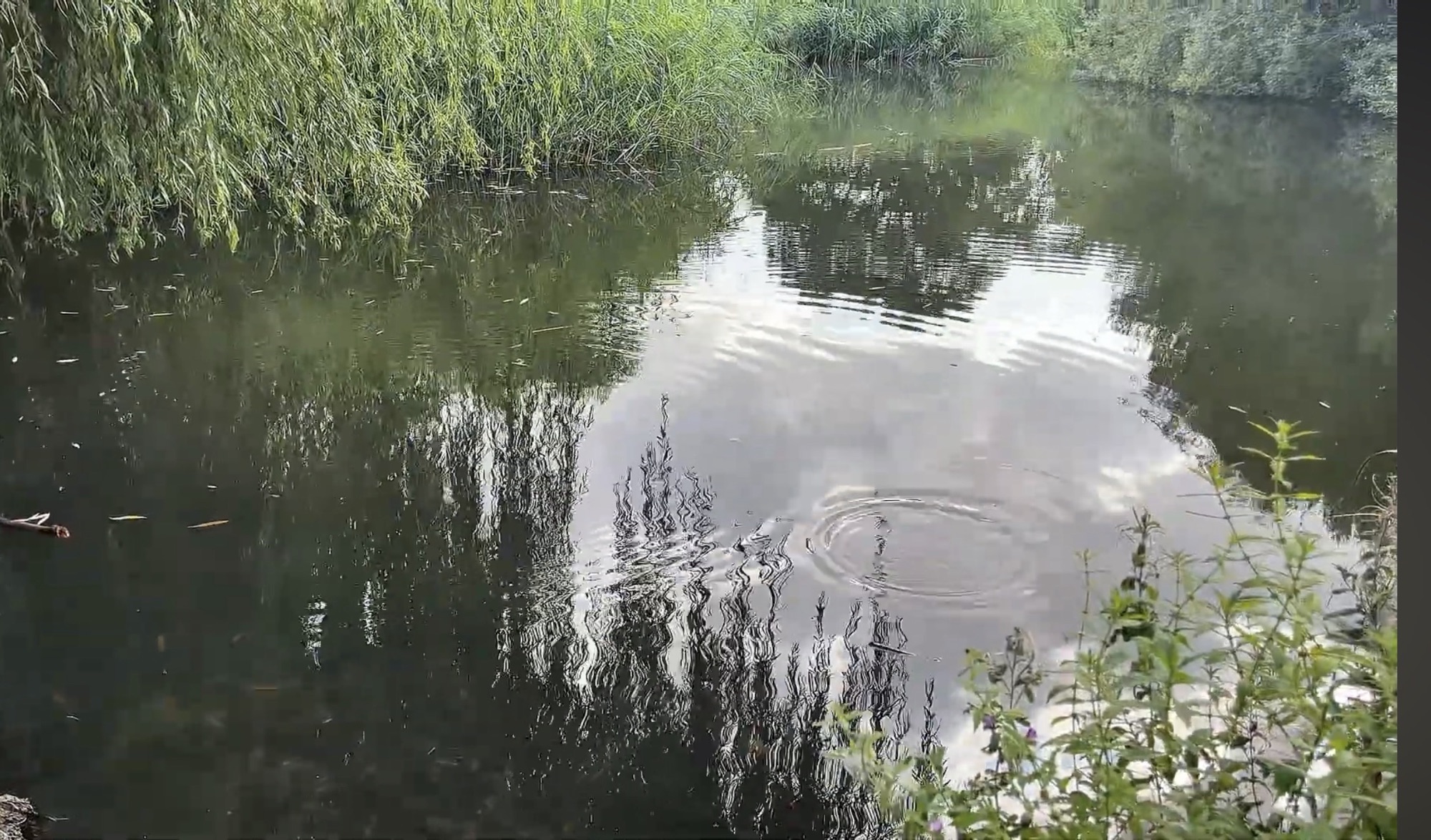
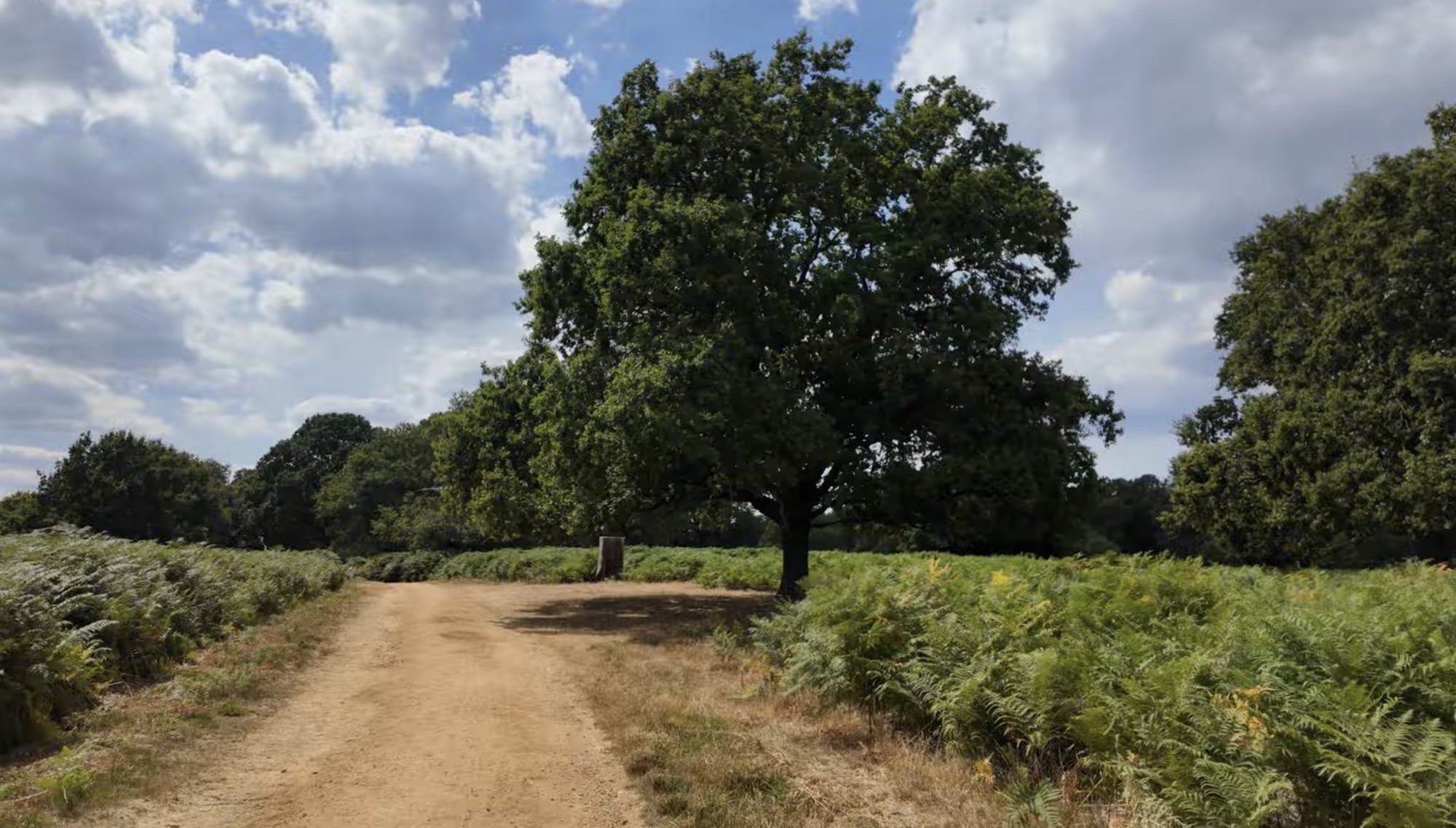
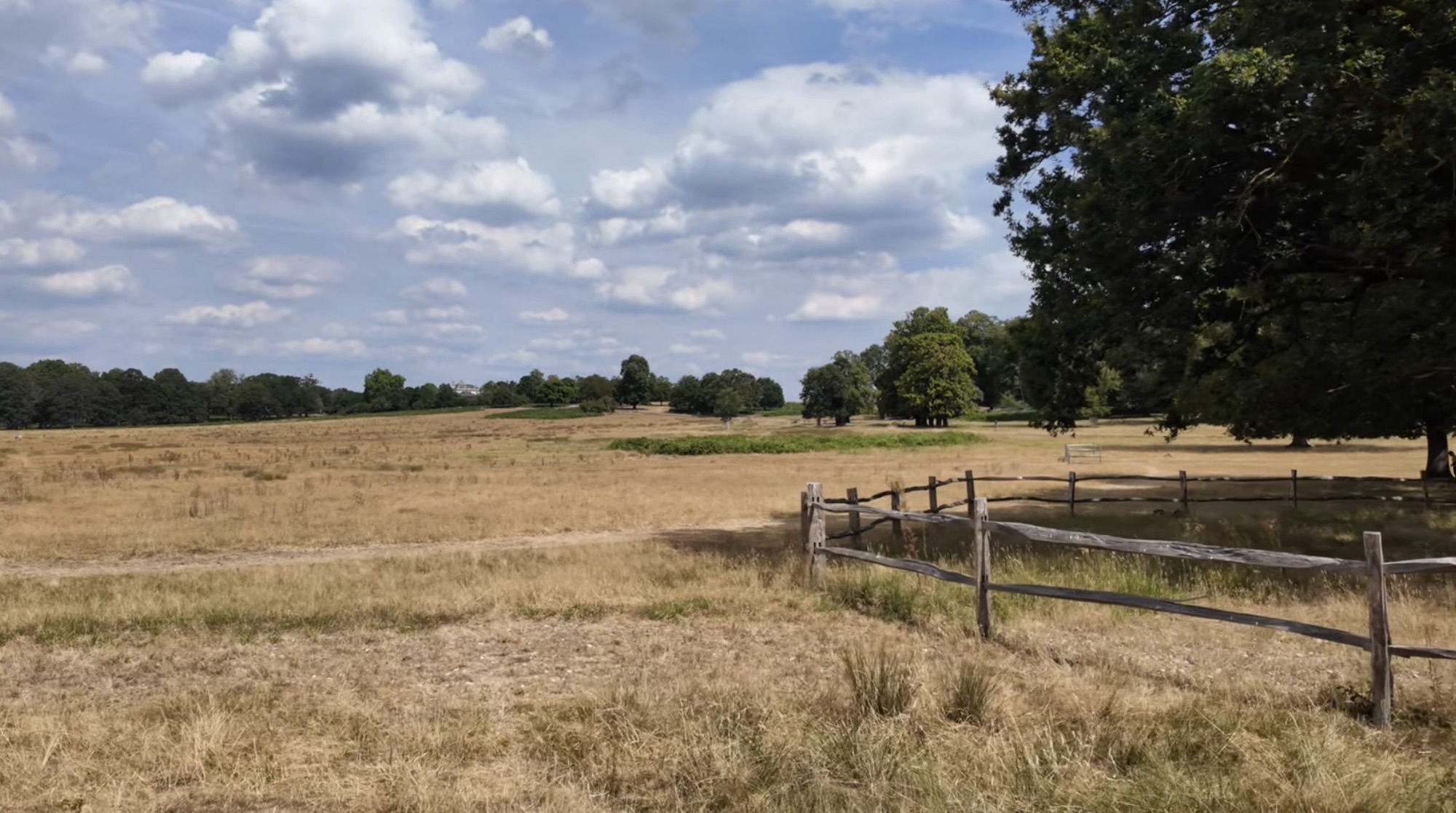
The nature was one of my favourite parts. I could hear the birds and see so many trees and open spaces. At certain moments, it reminded me of home simply because of the sounds of nature and being surrounded by so much greenery.
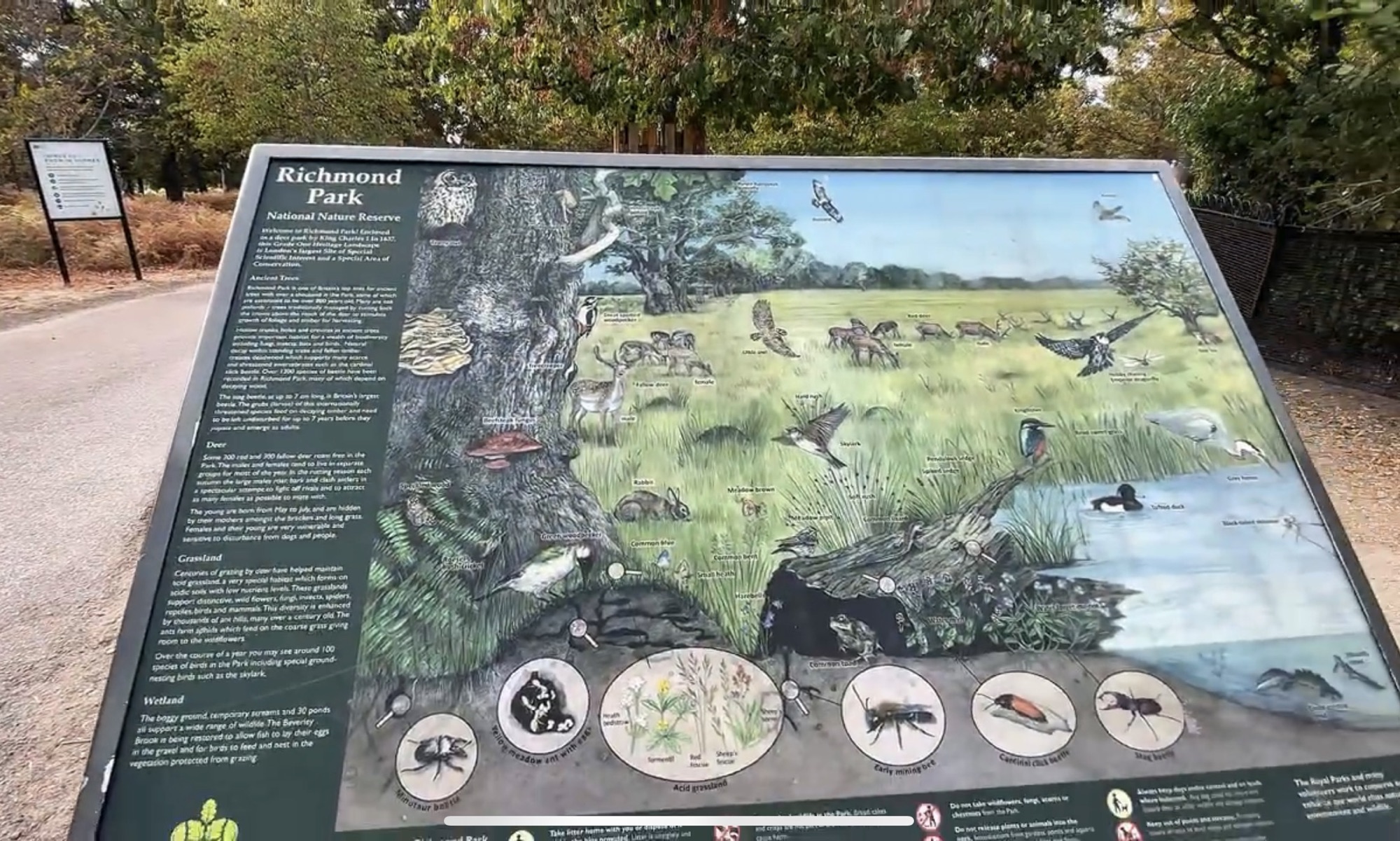
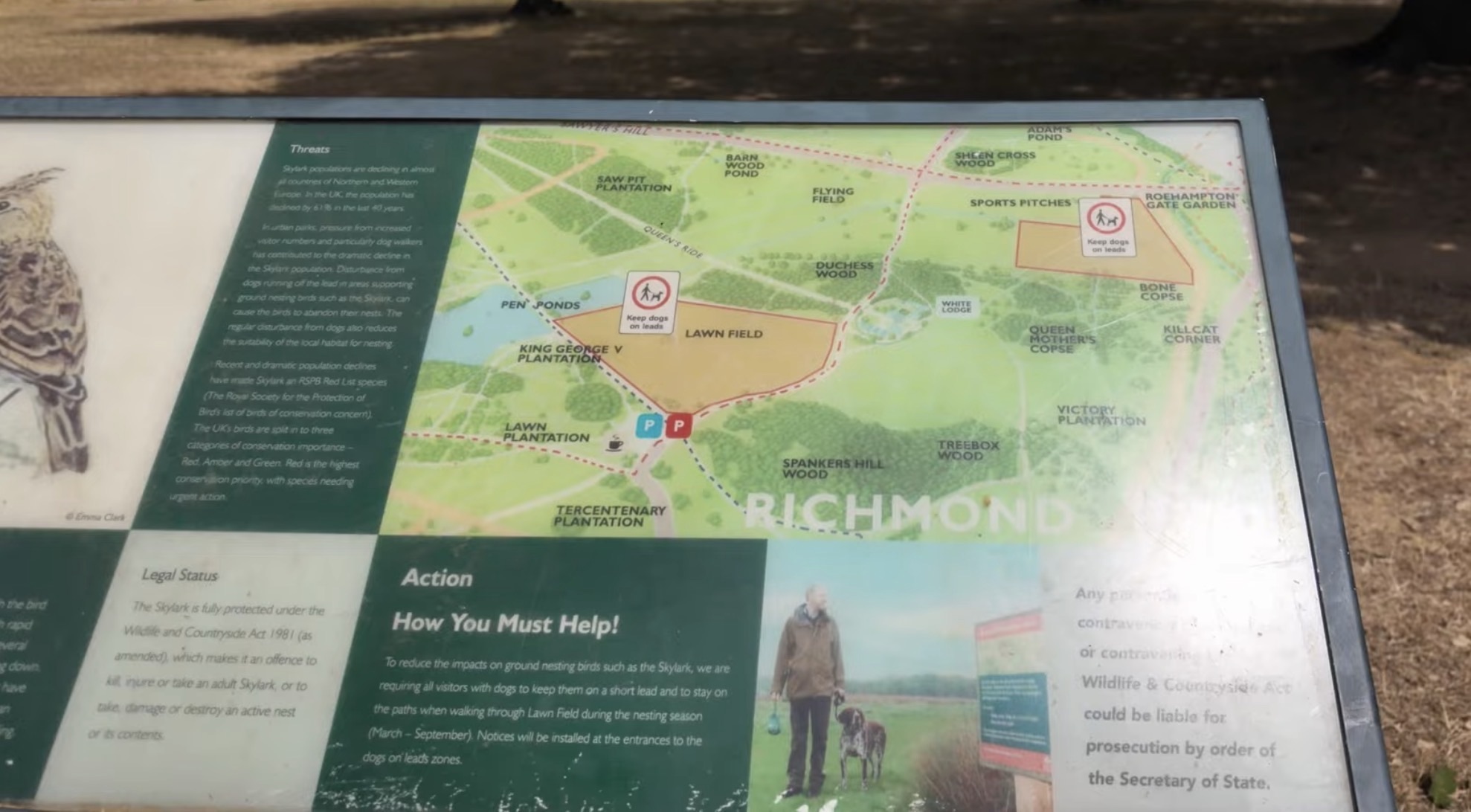
A board near one of the paths laid out just how much lives alongside the deer here, ground-nesting birds, ancient trees full of insects, and the ponds themselves.
The Moment I’d Been Waiting ForSeeing the Deer
Then came the moment I had really been looking forward to, seeing the deer. I had actually driven past Richmond Park before and seen large groups of deer from the road. They looked almost unreal, like something from a film. This time I wanted to get a closer look, although I knew I had to keep my distance because they are wild animals.
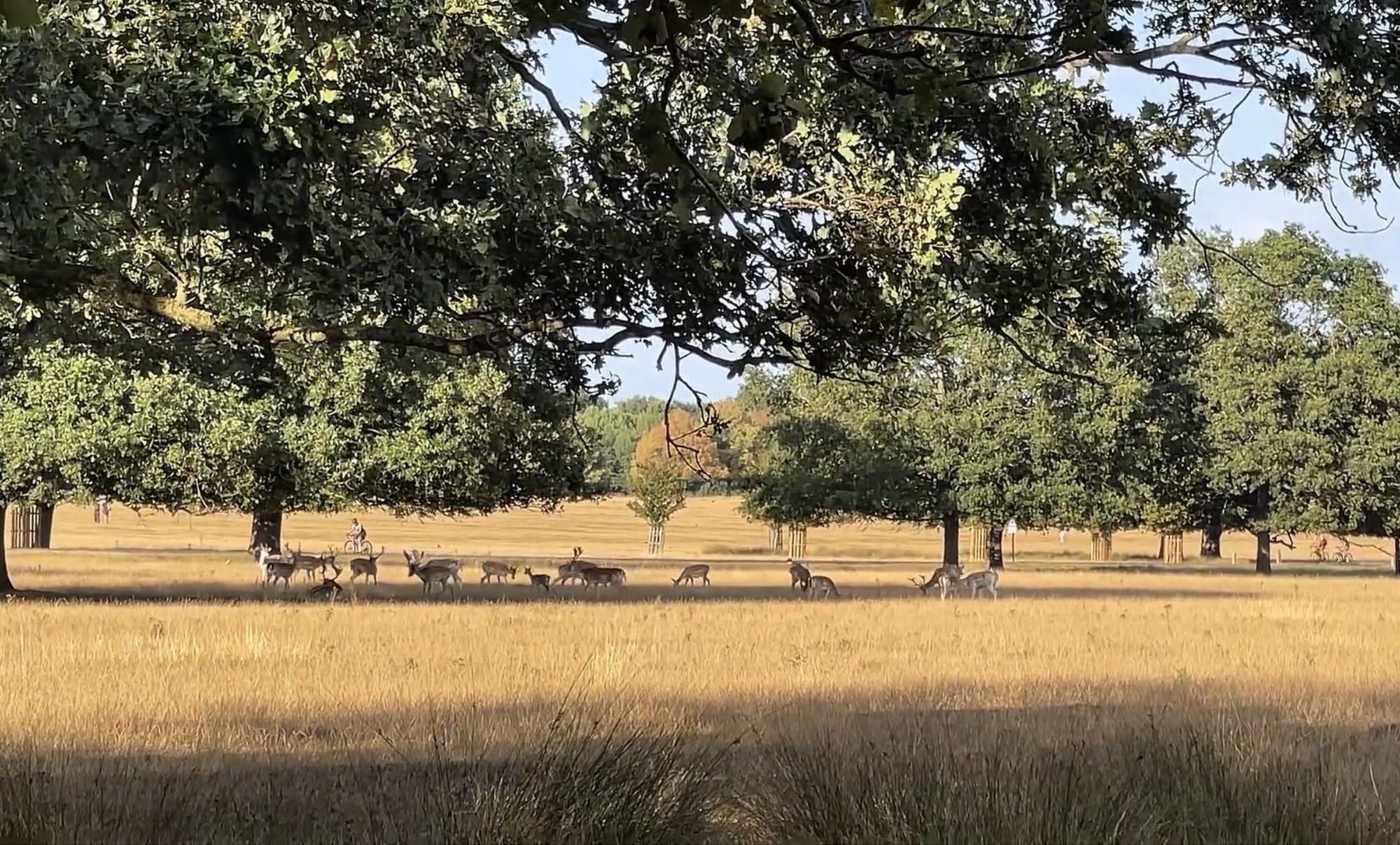
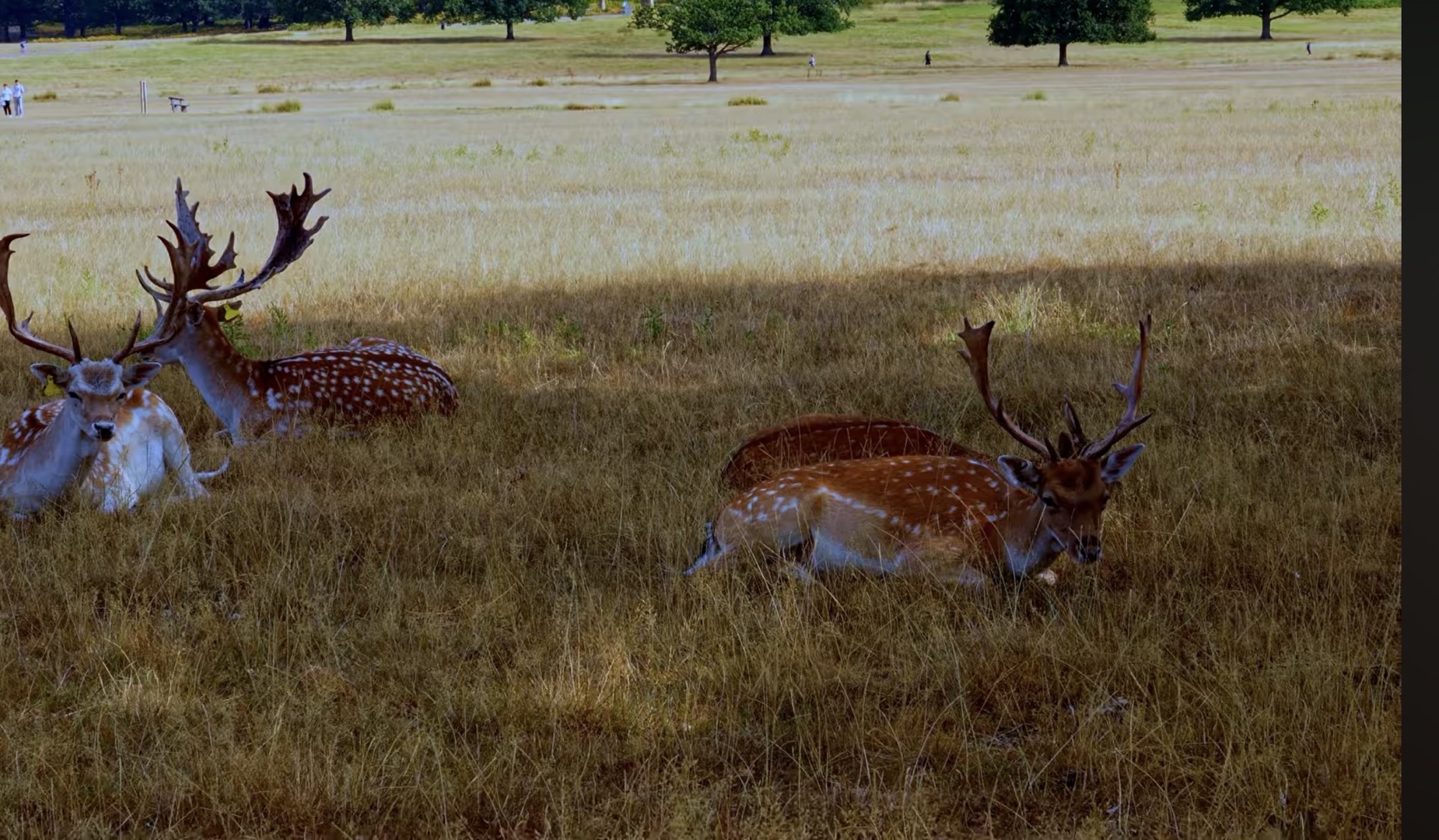
And there were more than I expected. I came across different groups in several parts of the park, including females with young. Watching them moving around naturally was one of the most memorable parts of the visit.
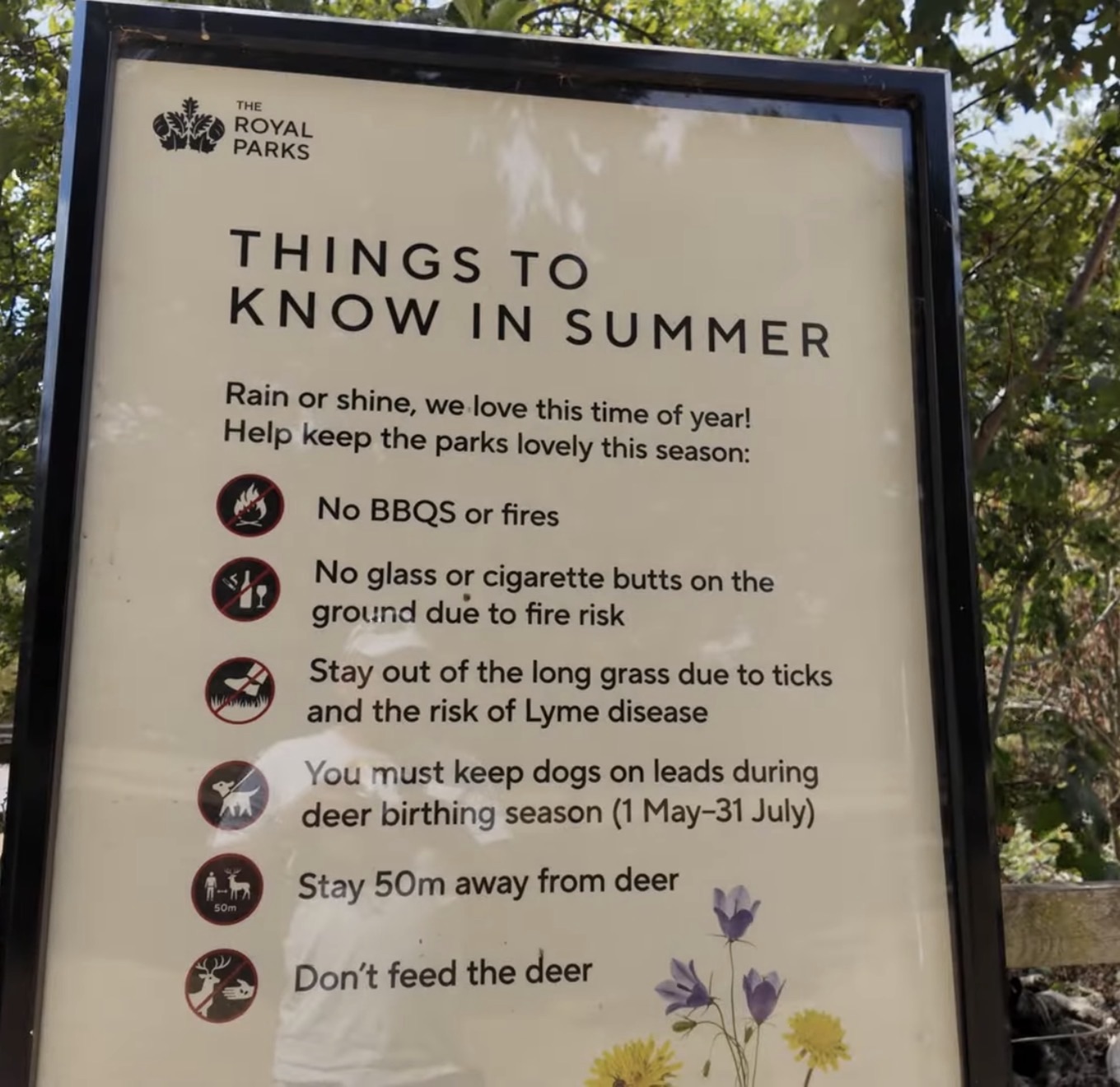
At one point, people were being asked to move further away because one of the groups had become quite active. It was a good reminder that this is their habitat, and we are the visitors. Keeping a safe distance and not trying to touch or feed them is simply part of respecting the animals.
Still Part of the CityRoads, Cyclists and the Edges of the Park
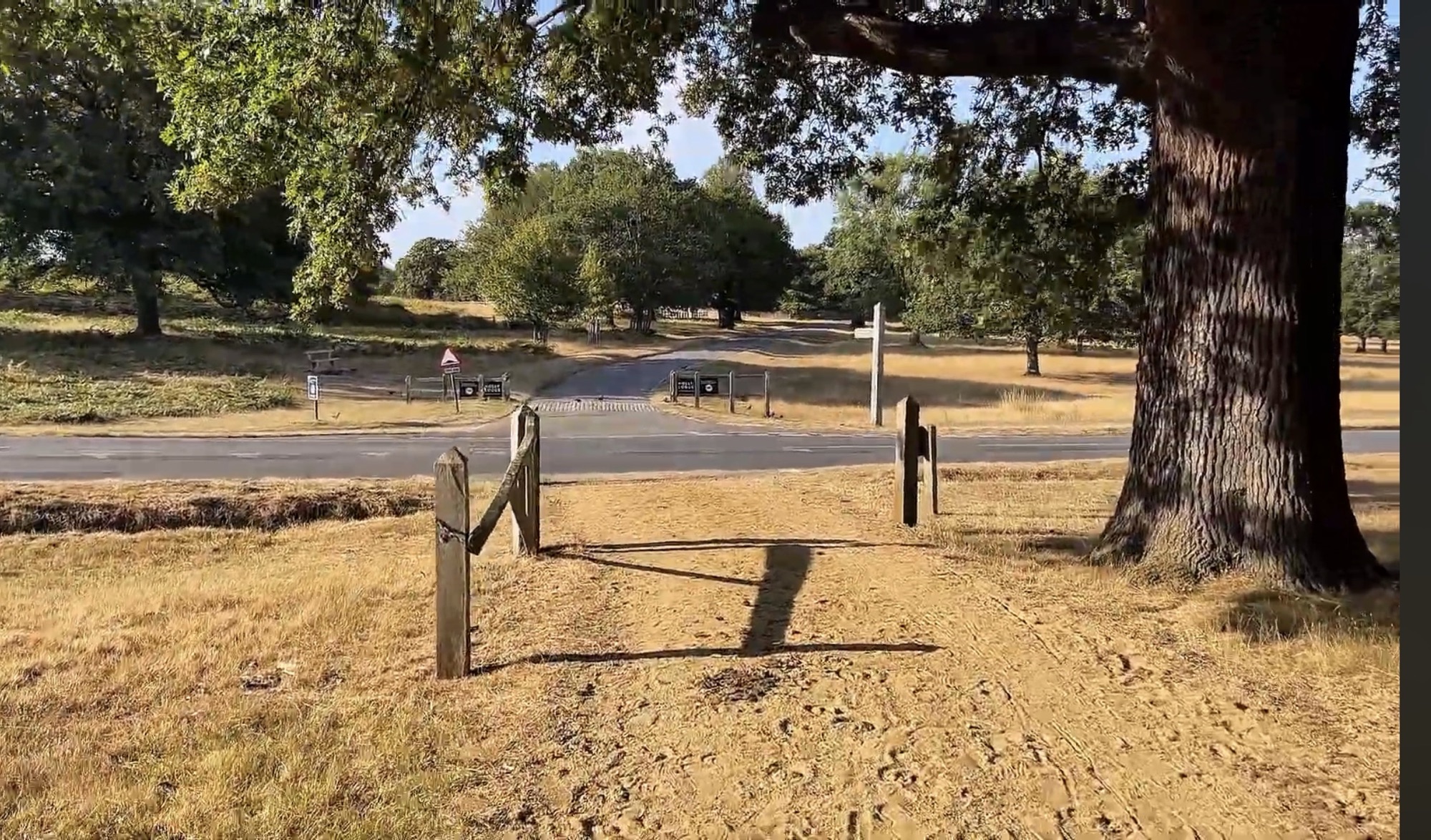
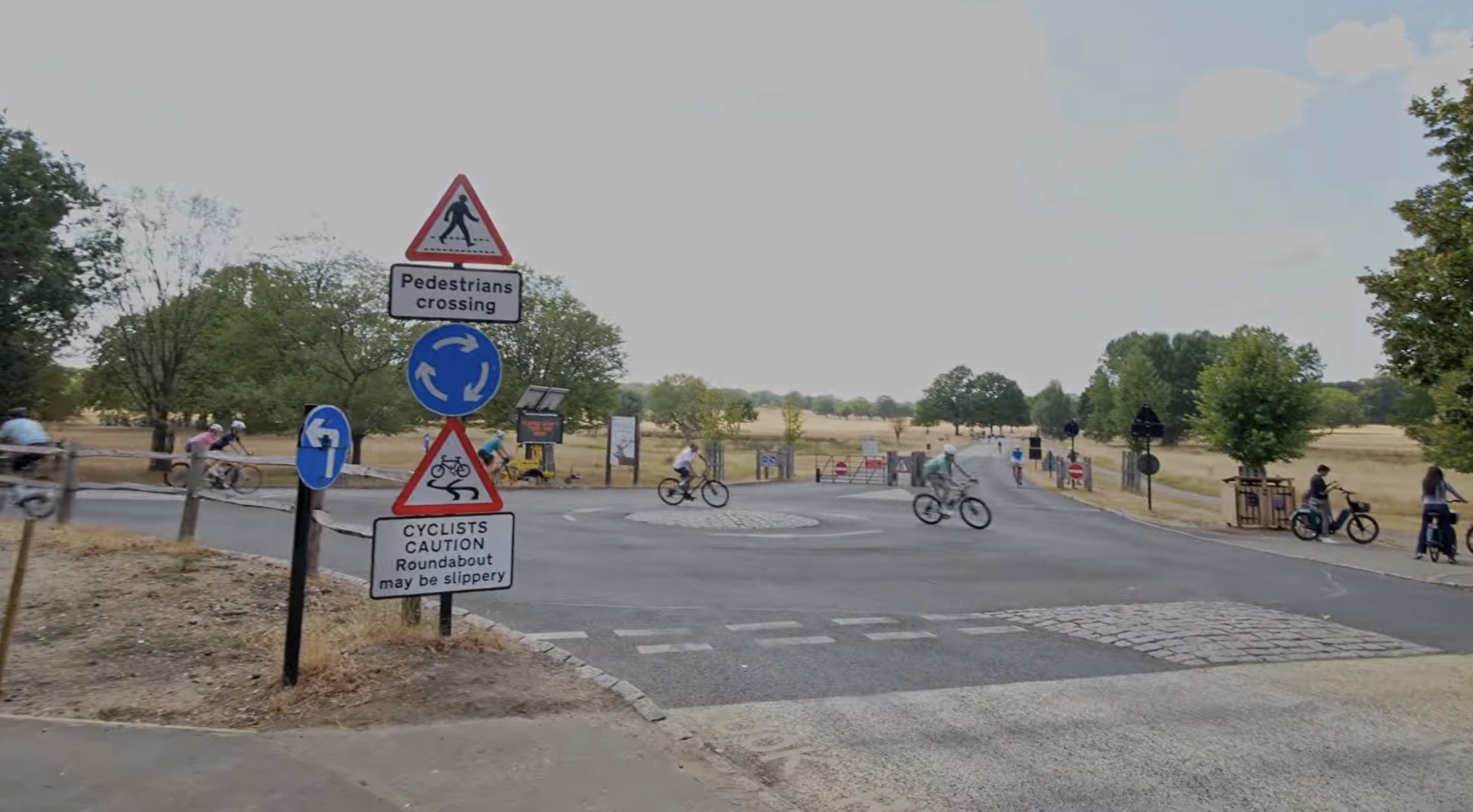
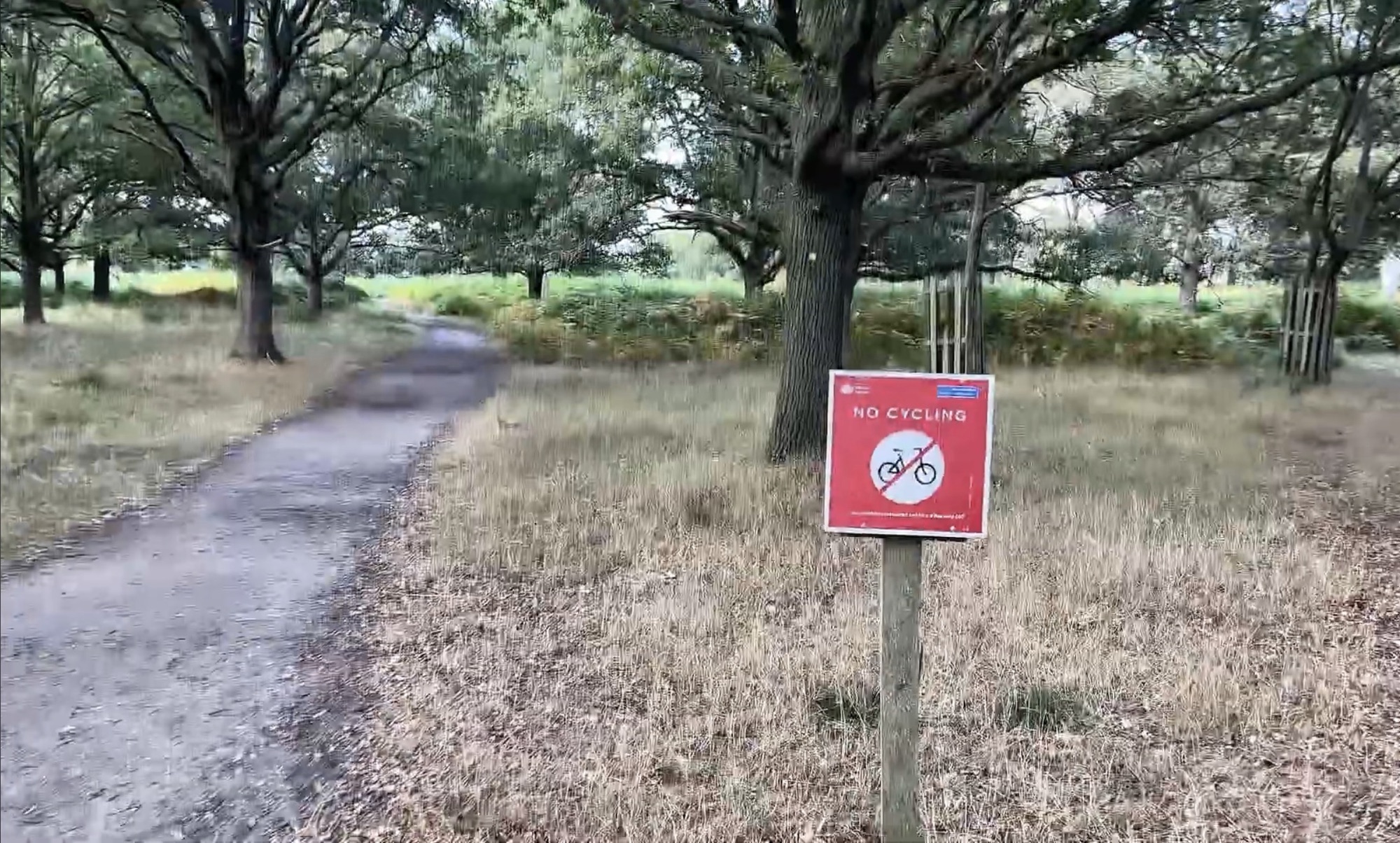
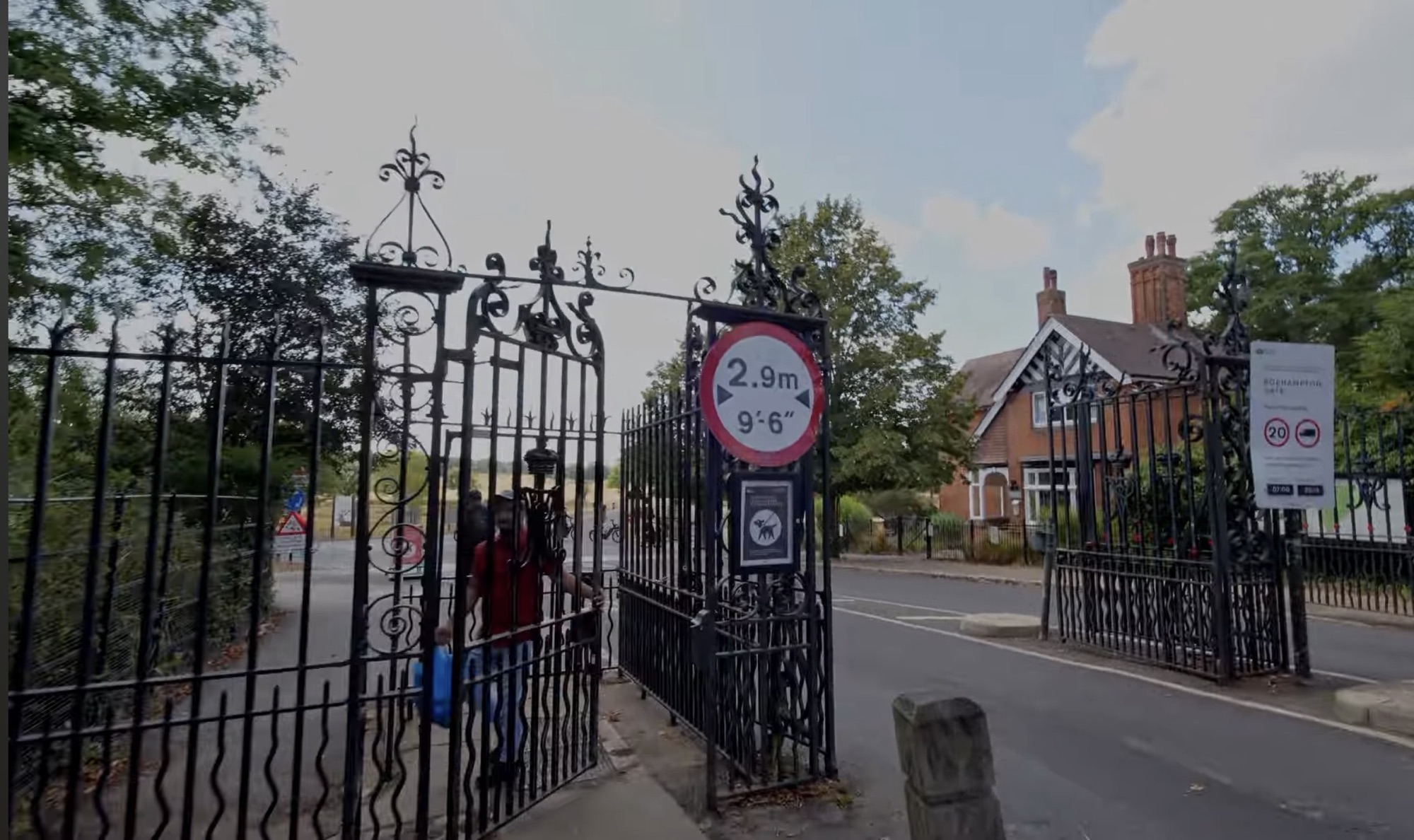
I also noticed how unusual it felt to have such a huge natural space surrounded by London. At different points, you can end up near a road again, which reminds you that this massive park is still right inside the city.
Looking BackTime, Comfortable Shoes and a Bit of Patience
By the end of the walk, I had covered a lot of ground and spent hours just exploring without following a fixed plan. Richmond Park isn’t somewhere I would visit just to quickly walk around. It is the kind of place where you need time, comfortable shoes and a bit of patience.
For me, the deer, the open landscape and the feeling of being surrounded by nature were what made the visit special. I came looking for that experience I had seen from the car before, and this time I finally got to see it properly for myself.
Practical InformationEverything Else I Didn’t Cover in the Walk
Getting There
- Richmond Park has several gates, including Richmond Gate, Roehampton Gate, Kingston Gate, Sheen Gate and Robin Hood Gate, each suiting a different part of the park.
- Choosing a specific gate or car park to aim for works far better than simply heading for “Richmond Park” on a map, the distances inside are bigger than they look.
- Cycling and horse riding are both possible inside the park, alongside walking.
Parking
- Parking is currently free across the park’s principal car parks, including Pembroke Lodge, Kingston Gate, Broomfield Hill, Robin Hood Gate, Roehampton Gate, Sheen Gate and Pen Ponds.
- There is no overnight parking.
The Deer
- Keep at least 50 metres away from every deer, and never touch or feed them, even if they seem calm.
- If a group becomes active or a ranger asks visitors to move back, do so straight away, it’s their habitat and their behaviour can change quickly.
- The compulsory dog-lead period around deer-birthing season runs from 1 May to 31 July.
Isabella Plantation
- An enclosed 40-acre woodland garden with streams, ponds and winding paths, a good spot for wandering without a fixed route.
- Dogs must stay on leads inside the plantation.
- Late April and early May bring the strongest azalea and rhododendron colour, though it’s worth a visit in other seasons too.
Wildlife Beyond the Deer
- Ground-nesting birds like the skylark have protected zones, marked with signs asking for dogs to be kept on short leads.
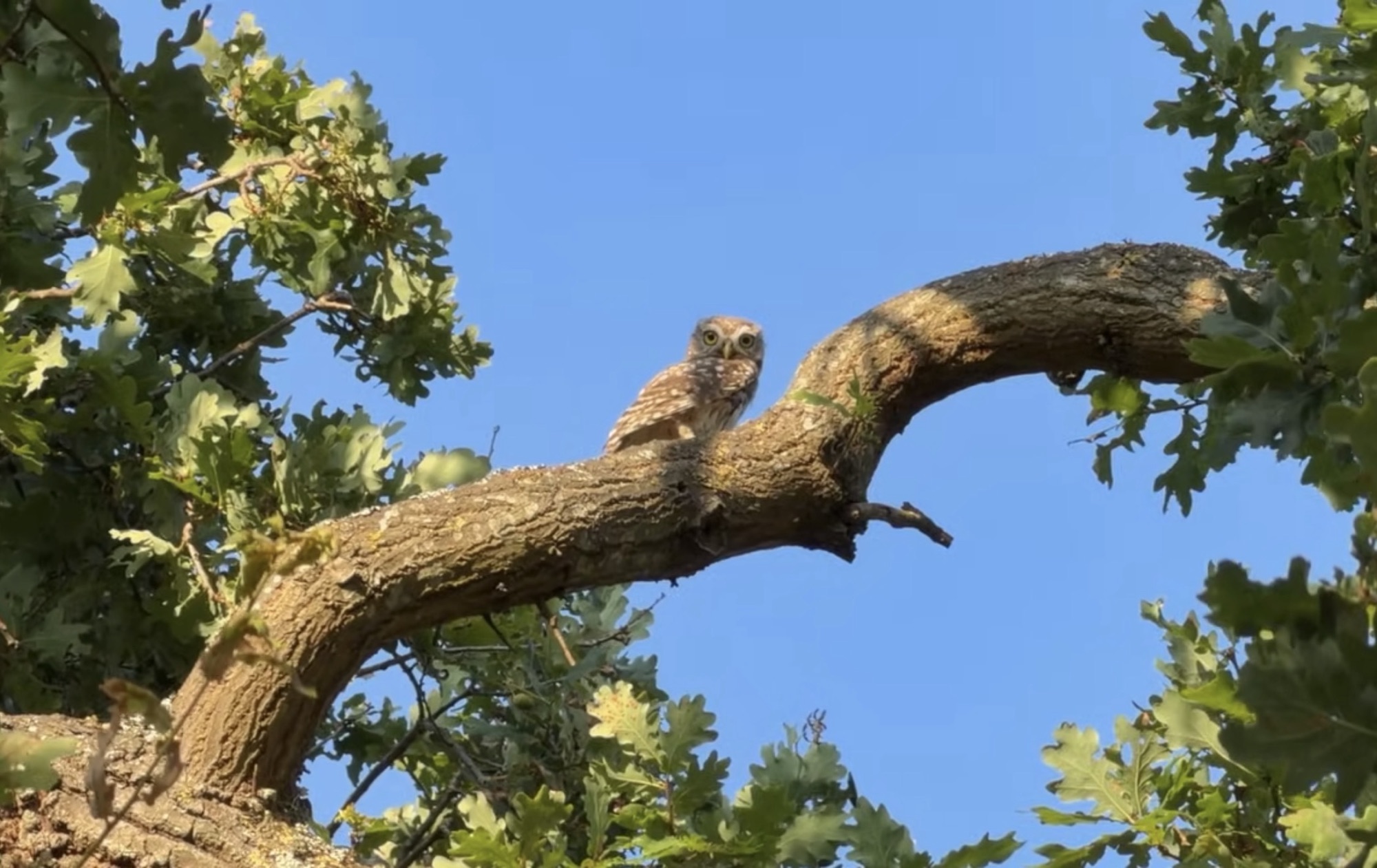
- Owls, along with a wide range of birds and insects, share the park’s ancient trees and grassland.
What to See
- The deer, best appreciated at a distance and without a strict schedule
- Isabella Plantation, for a slower, more contained walk
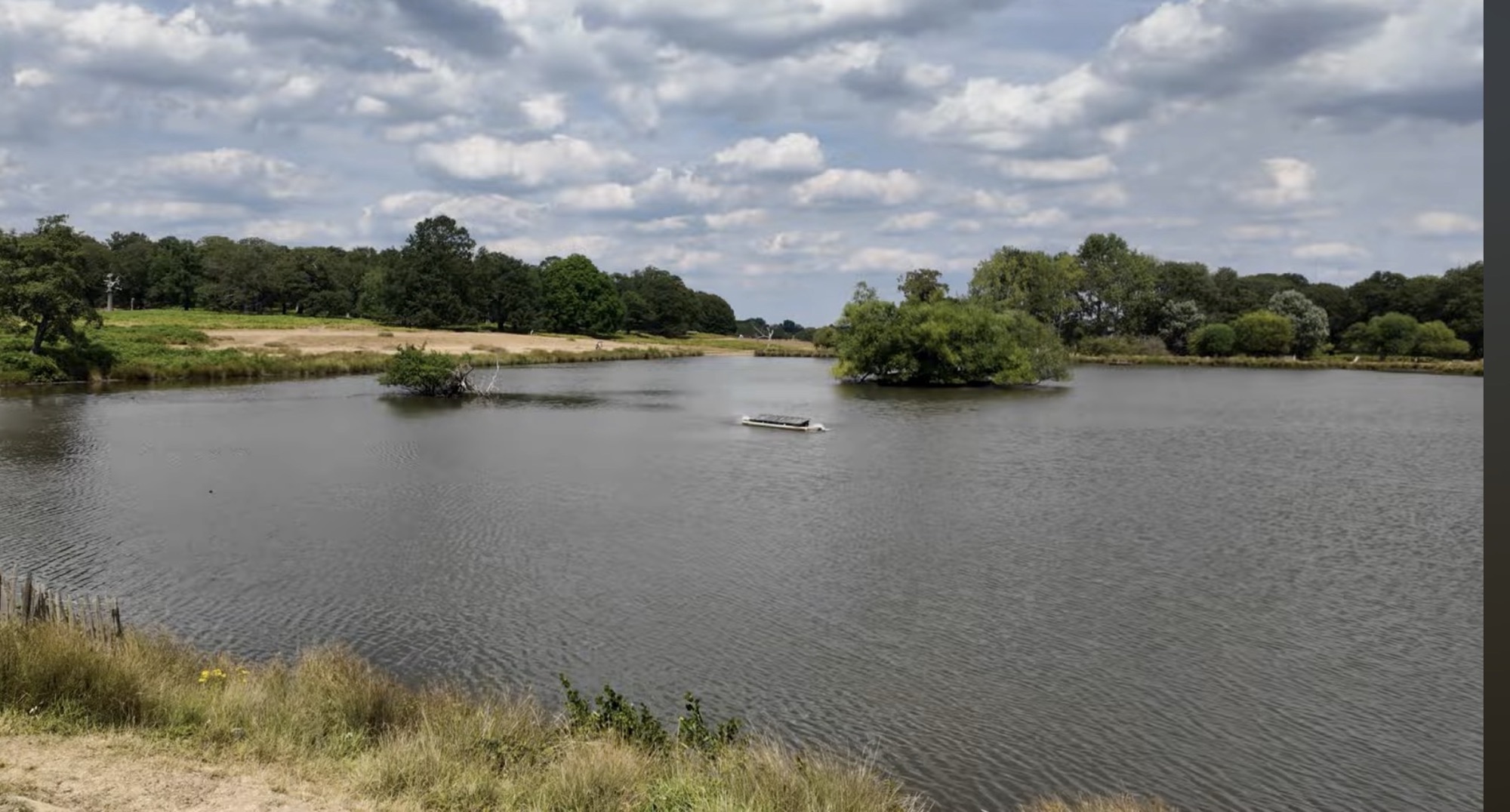
- Pen Ponds, a useful landmark in the middle of the open grassland
- The wider Tamsin Trail, for anyone with more time and energy
How Long to Spend
- 1–2 hours: a single anchor, such as Isabella Plantation or a short loop near one gate.
- Half a day or more: an unplanned wander like this one, covering several parts of the park and taking time with the deer.
Best Time to Visit
A dry day made the walking easy throughout, and the deer were active and easy to spot without needing to search for them. The park’s sheer size means there’s always more left to explore, whatever time of year.
Frequently Asked Questions
Will you definitely see deer?
Not guaranteed, but likely. On this visit, several different groups turned up in different parts of the park without any real searching.
How close can you get to the deer?
Stay at least 50 metres away. They’re wild animals, and on this visit a group that became active was a clear reminder to respect that distance.
Is Richmond Park good for a first-time, unplanned visit?
Yes, though it rewards time more than a quick walk-through. Wandering without a strict plan, as I did, worked well precisely because there was always something new around the next corner.
Is Richmond Park free to visit?
Yes, general access to the park is free.
Research Method
This guide is based on a personal, largely unplanned walk through Richmond Park, taking in Isabella Plantation, the open grassland, Pen Ponds and several deer herds across different parts of the park. All photographs above are original and were taken on site. Practical details such as gates, parking and deer safety guidance were checked against The Royal Parks; access arrangements and seasonal restrictions can change, so check current information before travelling, especially around the deer birthing and rutting seasons.
Official & Useful Sources
The Royal Parks, Richmond Park
Used to verify current access, park size and general visitor information.
https://www.royalparks.org.uk/visit/parks/richmond-park
The Royal Parks, Deer Safety Advice
Used to verify the 50-metre rule, feeding restrictions and deer-season guidance.
https://www.royalparks.org.uk/deer-safety-advice
On-site observations from the visit
Isabella Plantation, the National Nature Reserve board, Pen Ponds, the deer herds, and the road crossings and gates at the park’s edges, as seen and photographed during the walk.
Last checked: 3 September 2026
Nearby guides: Bushy Park, Wimbledon Common and Marble Hill Park
Author
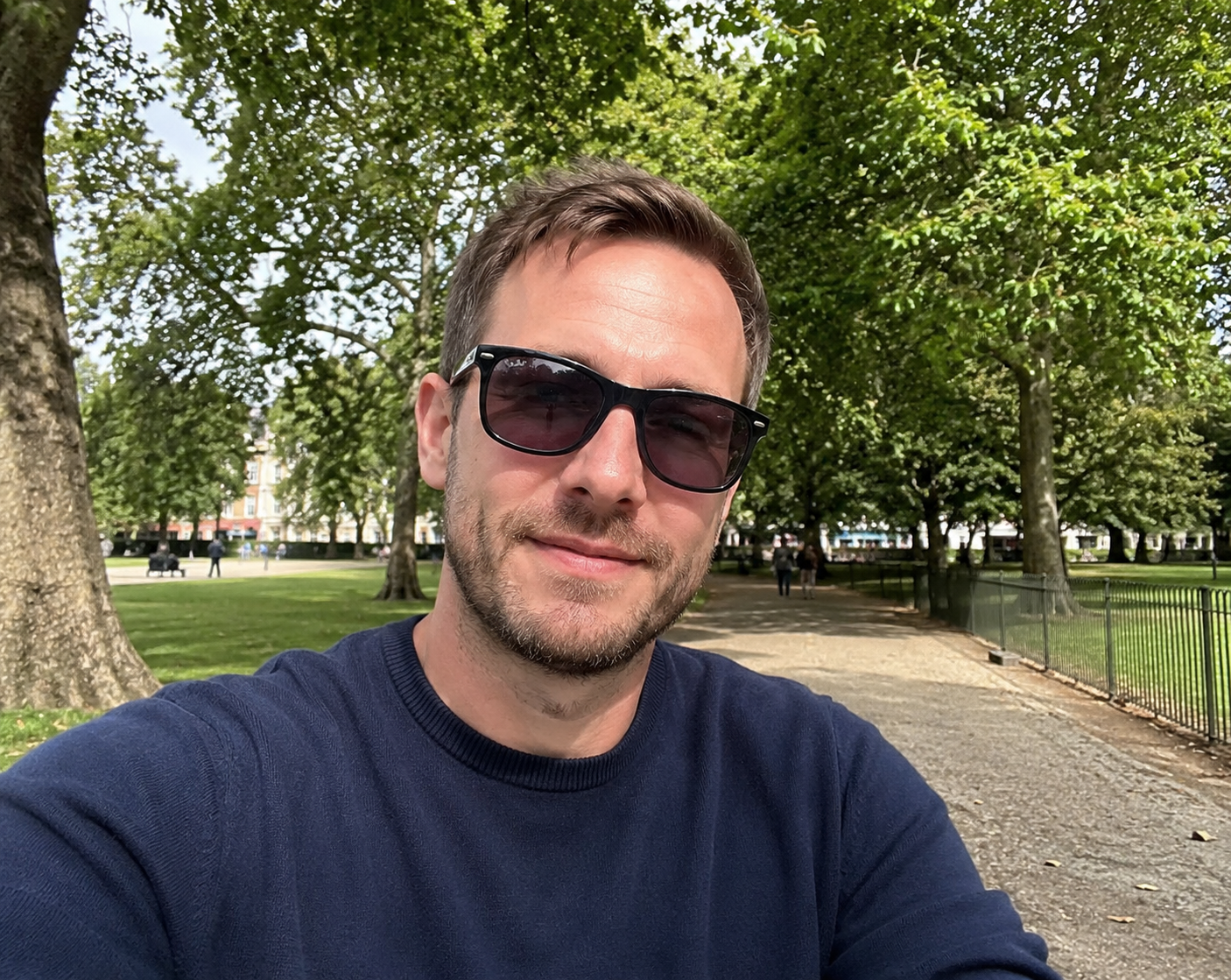
Steve visits every park featured on EKS Parks in person, checking practical details against councils, park operators and official sources. Every guide is based on a personal visit, and the photographs published with it are his own.
About Steve