

Queen Elizabeth Olympic Park
I’m at Queen Elizabeth Olympic Park in London, where the 2012 Olympics took place, and there’s so much to see around here. I’ve been here a few times before, but on a nice clear day it’s still great to see it again.
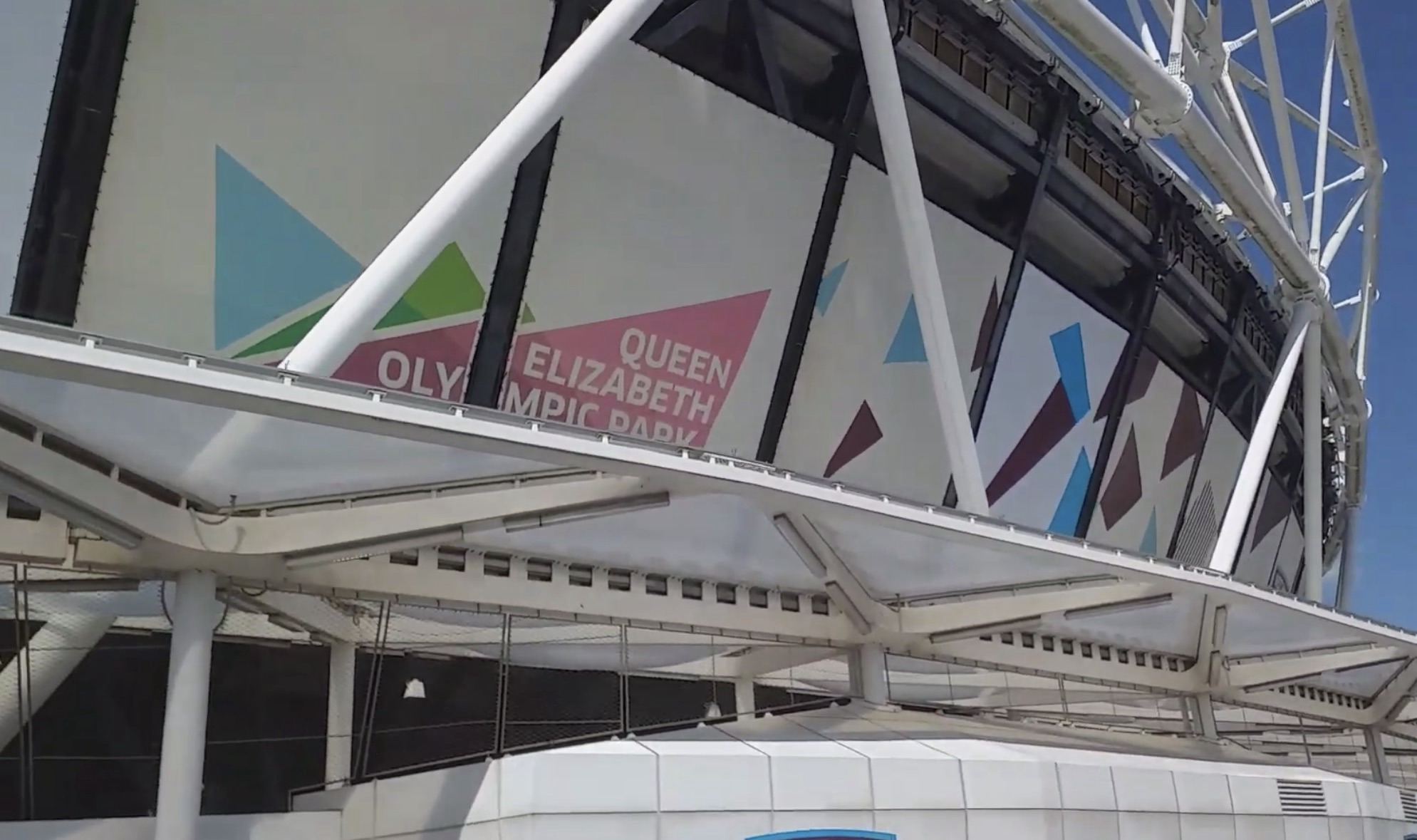
The Olympic Stadium is probably the most recognisable part of the park. It was one of the main venues for the 2012 Olympics and is now also home to West Ham United. The whole area is really impressive, especially when you walk around and see all the different Olympic venues in one place.
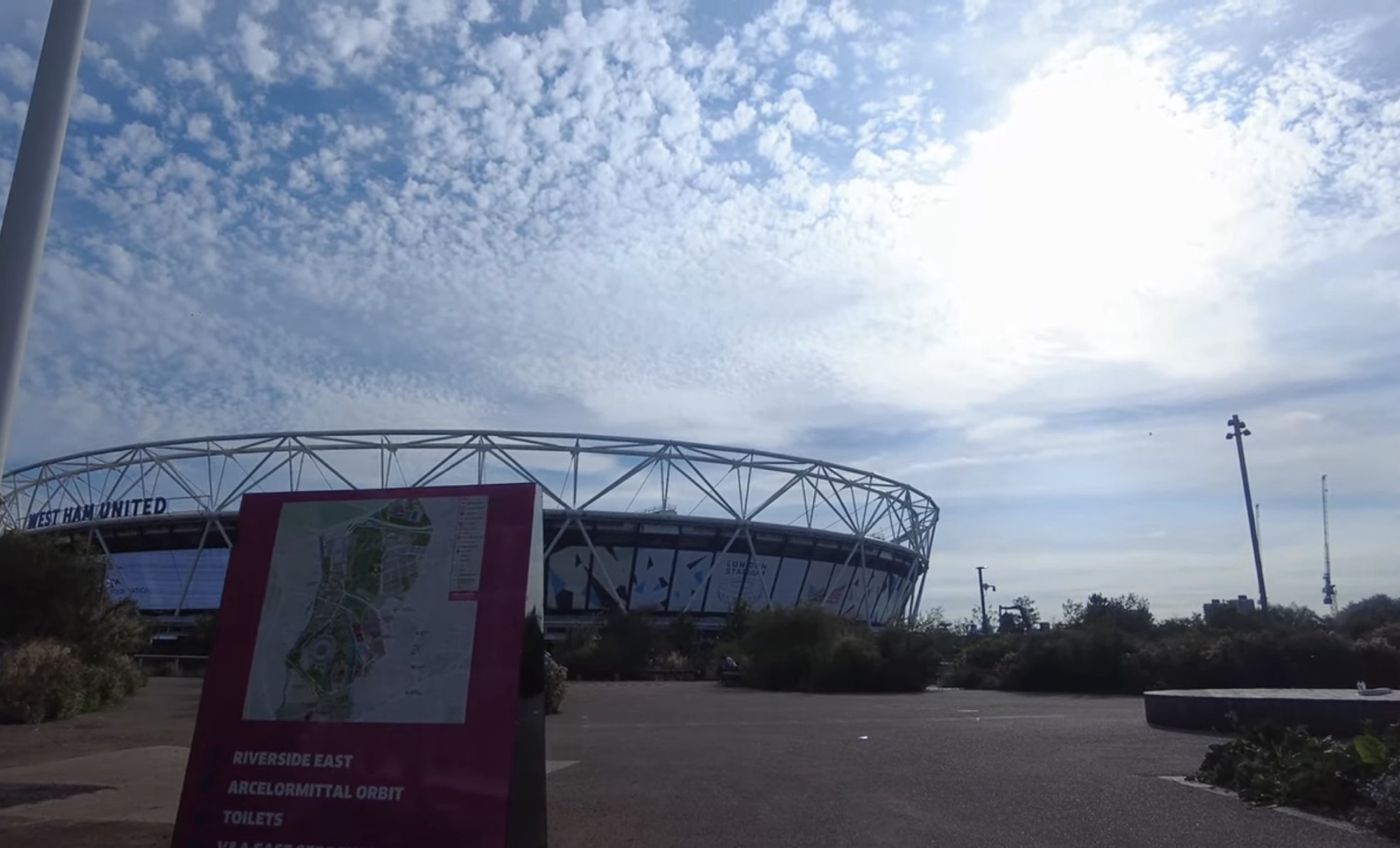
The Aquatics Centre, From Every Angle
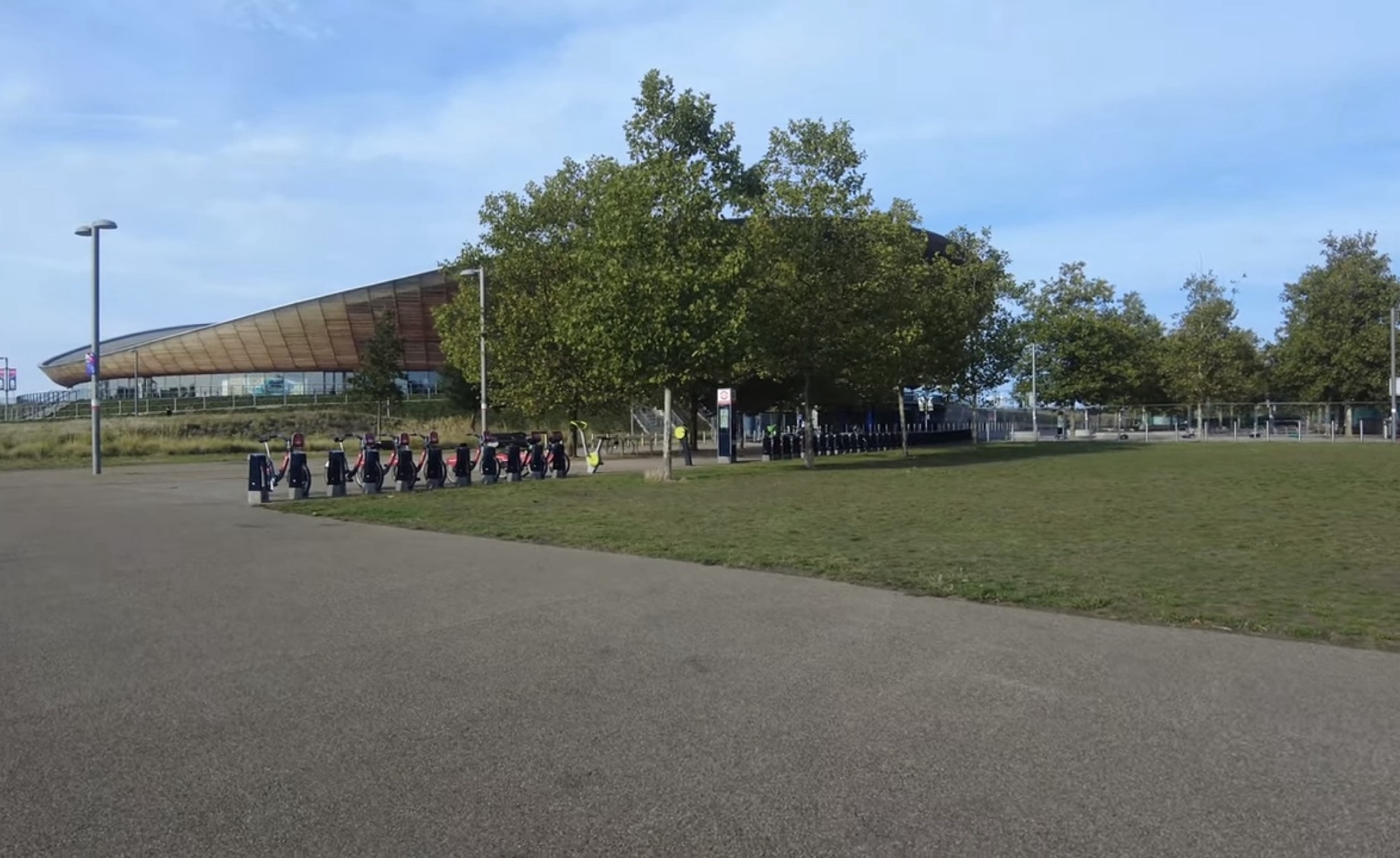
The Aquatics Centre is another one of the famous buildings here. It was used during the Olympics for swimming and diving, and the design of the building is really interesting. From different parts of the park, you can get some great views of it.
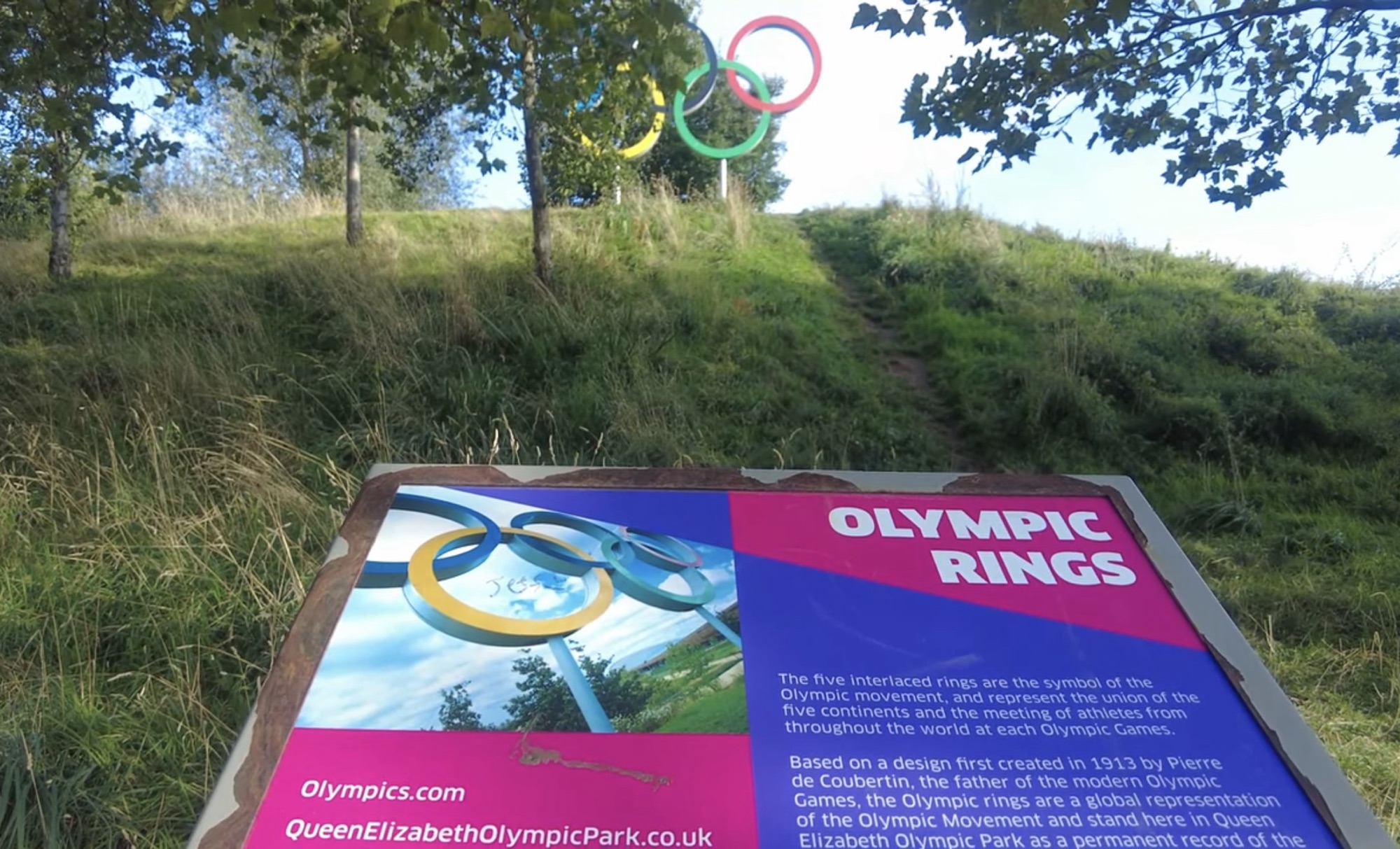
There are also lots of open spaces, paths and greenery around the park, so it’s not just about the stadiums. It’s actually a really nice place to walk around and explore, and this hillside was a good example: a quiet green climb up to the rings with barely anyone else around.
The Paralympic Symbol, Explained
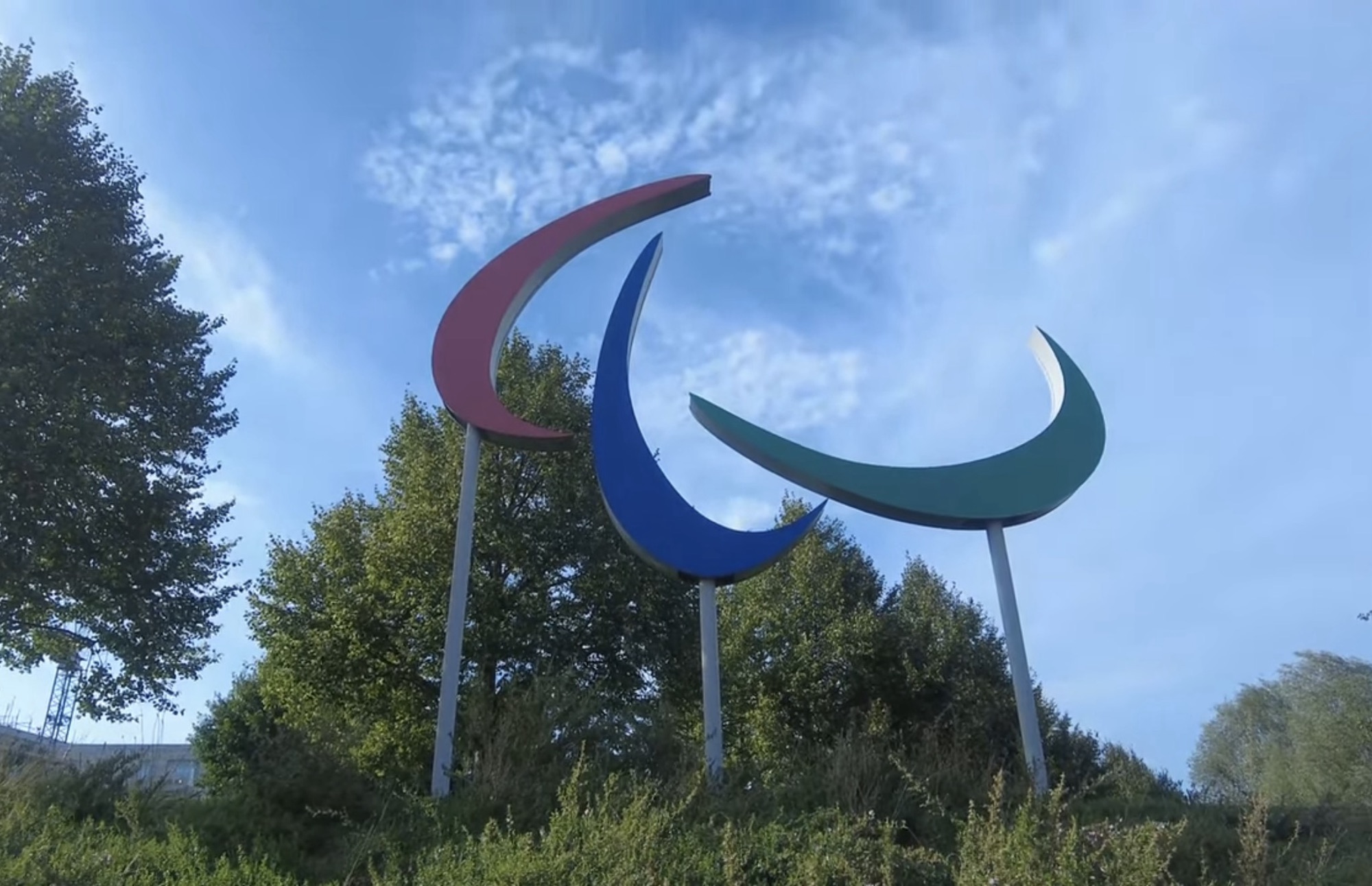
A nearby board explains the three curved shapes properly: the Agitos is Latin for “I move”, and the three shapes encircle a centre point representing the International Paralympic Committee’s role in bringing athletes together from all over the world. Green, blue and red were chosen because they’re the colours that appear most commonly on the flags of the world.
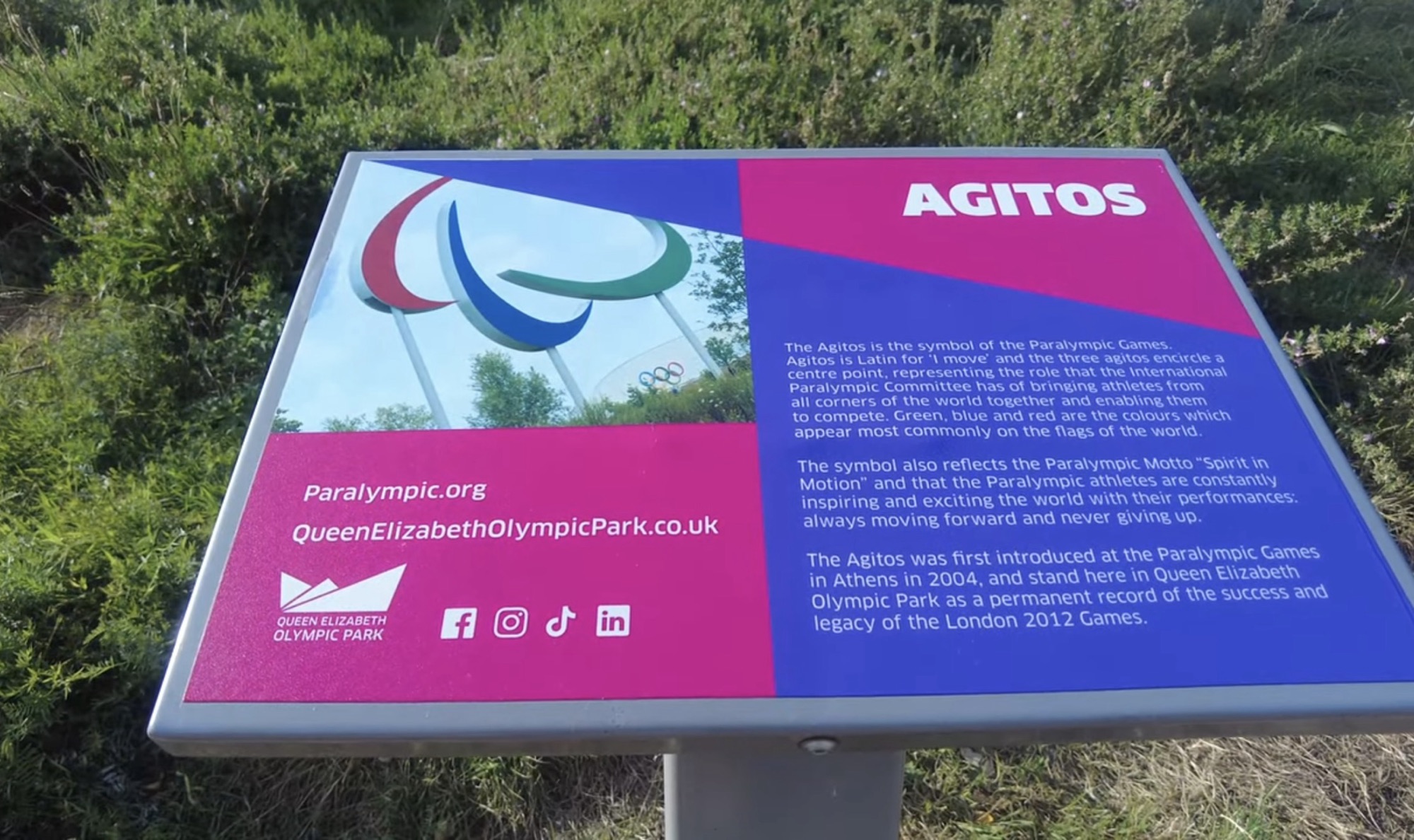
The symbol also reflects the Paralympic motto “Spirit in Motion”, the idea that Paralympic athletes are always moving forward and never giving up. It was first introduced at the Athens Paralympics in 2004, and stands here as a permanent record of the success of the London 2012 Games.
Walking Towards Copper Box Arena
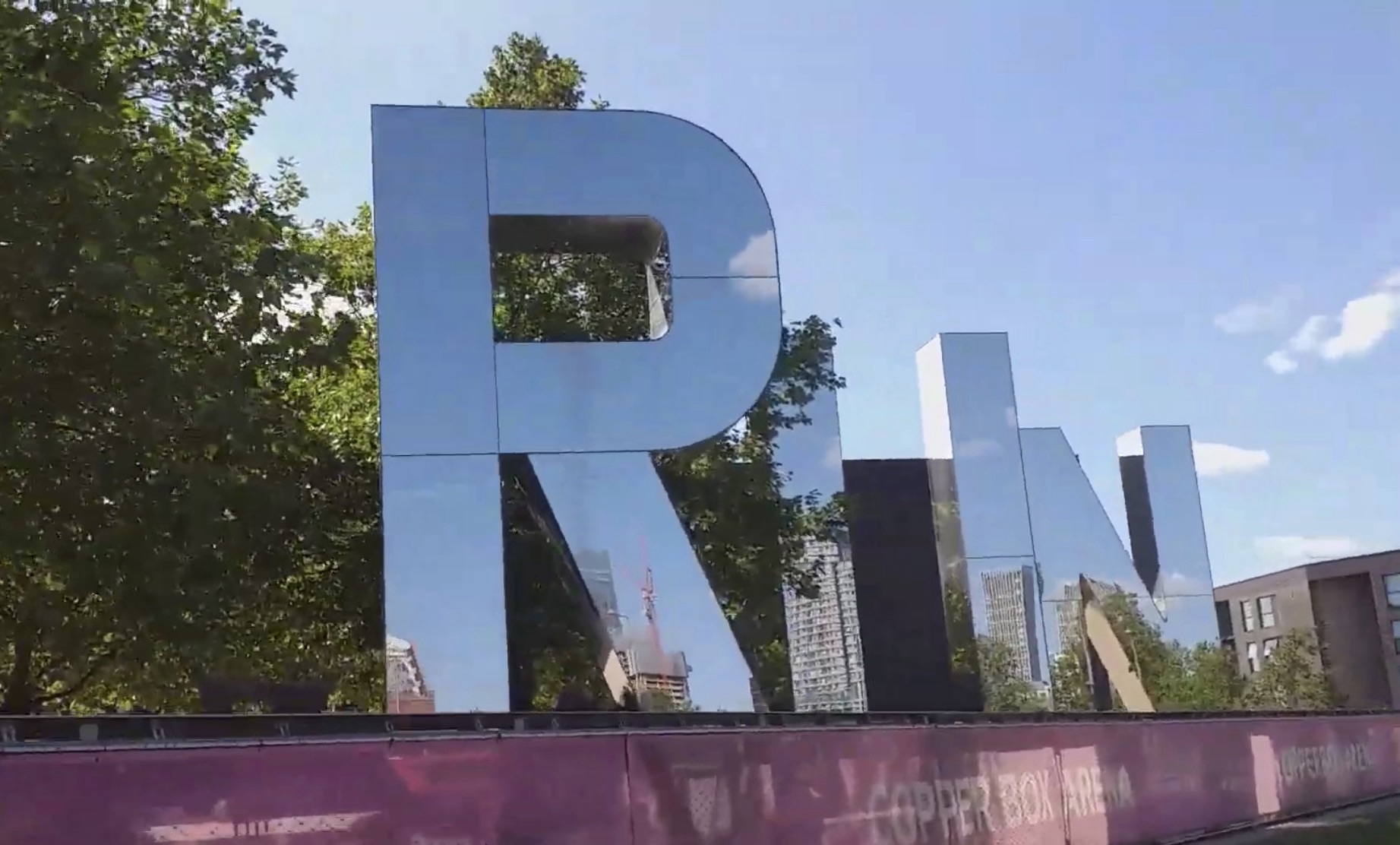
As I continued walking, I made my way towards the Copper Box Arena. This was another Olympic venue and was used for sports including basketball and handball during the 2012 Games. The Copper Box is quite an impressive building, and it’s still used for different sports and events today.
How Big This Place Actually Is
Walking from venue to venue gives you a good idea of just how large the Olympic Park really is. You can see the stadium in the distance, the different arenas, the waterways and all the open areas around them. It’s quite fascinating to think that all of these places were at the centre of the London 2012 Olympics, and today they’re still being used and enjoyed by people.
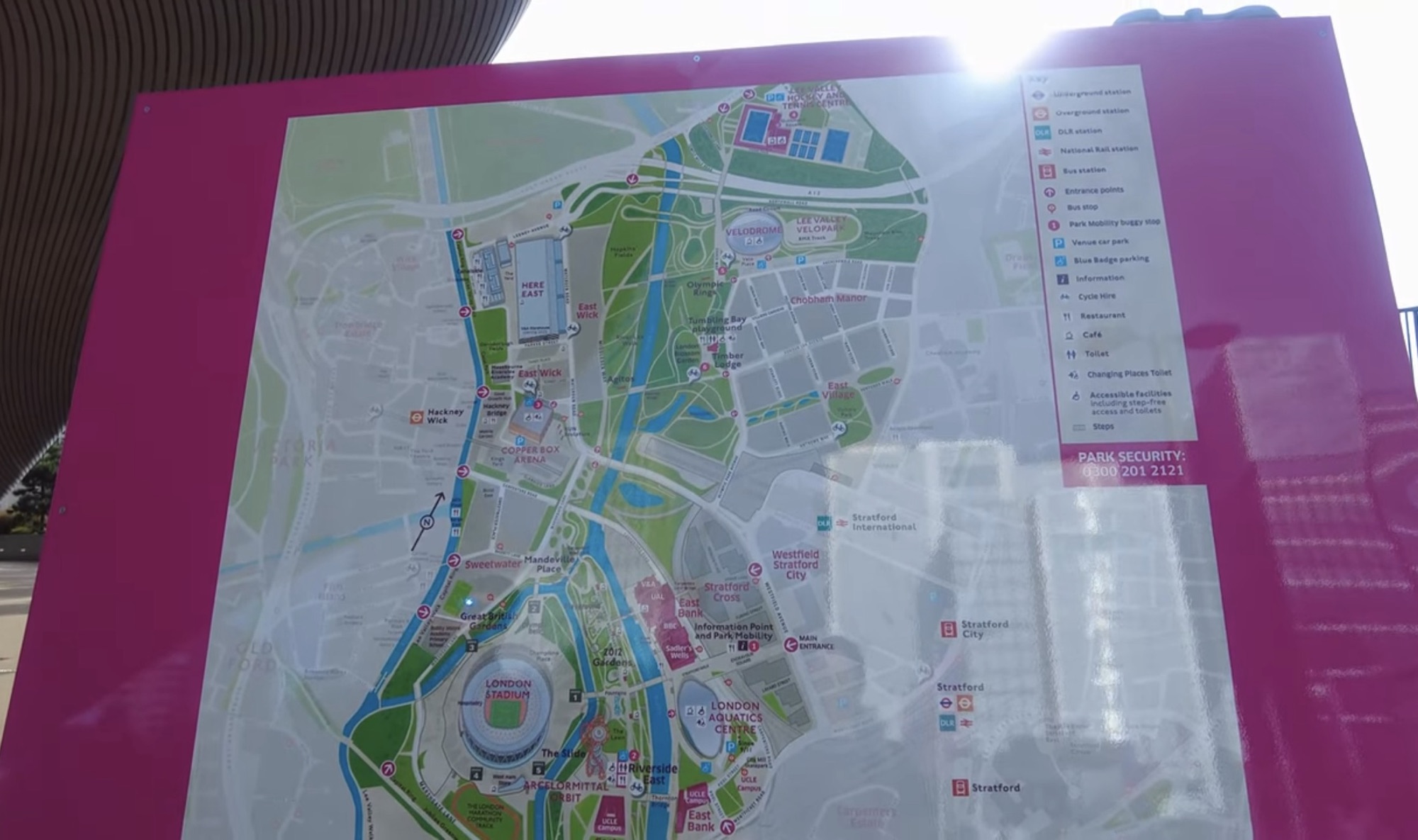
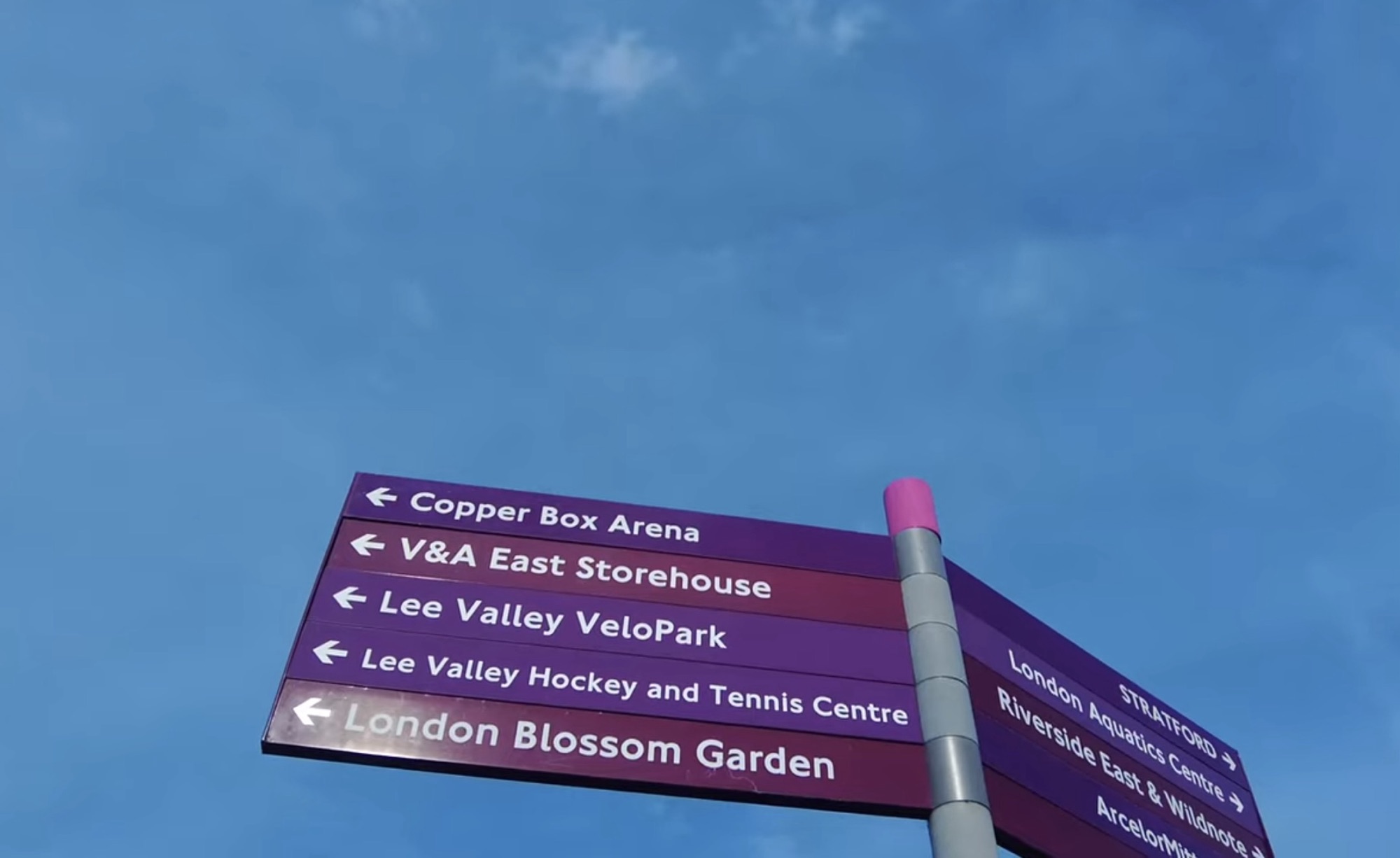
The Wayfinding Signs Are Doing a Lot of Work
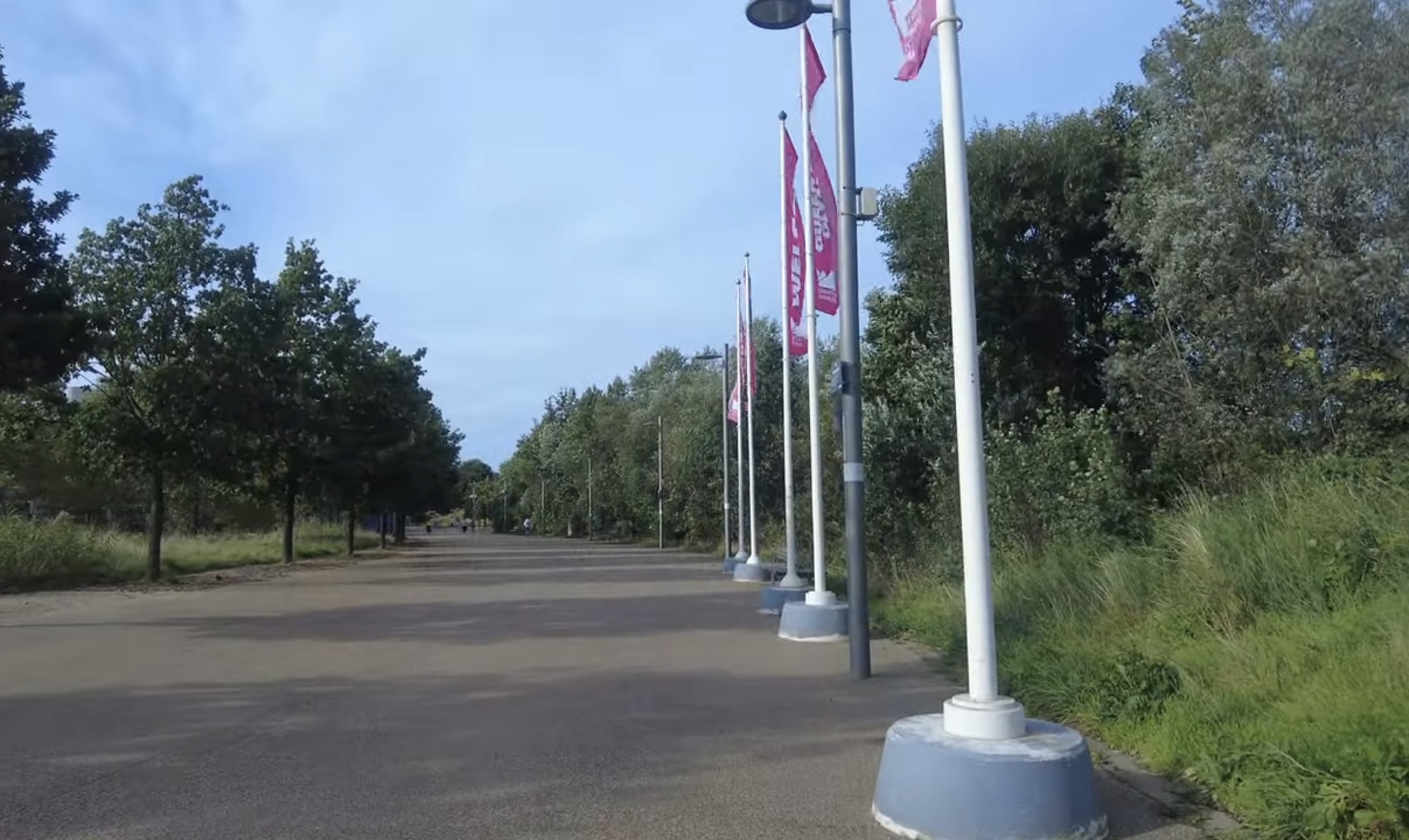
With this many venues spread across such a large site, the park’s own signage becomes genuinely useful rather than decorative.
East Bank Is the Newest Chapter
Not everything here dates back to 2012. East Bank has brought museums, universities and performance venues into what used to be defined mainly by sport.
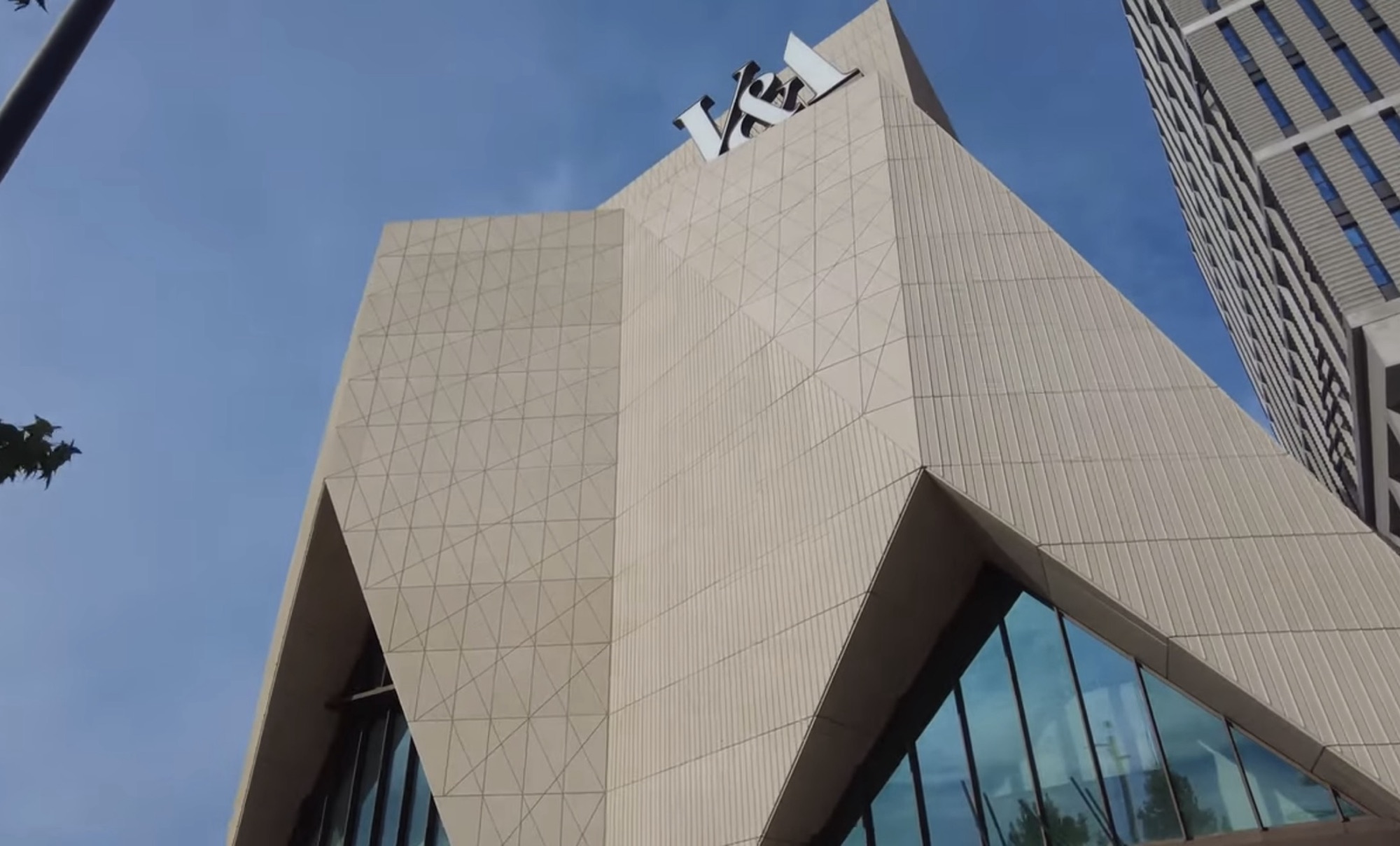
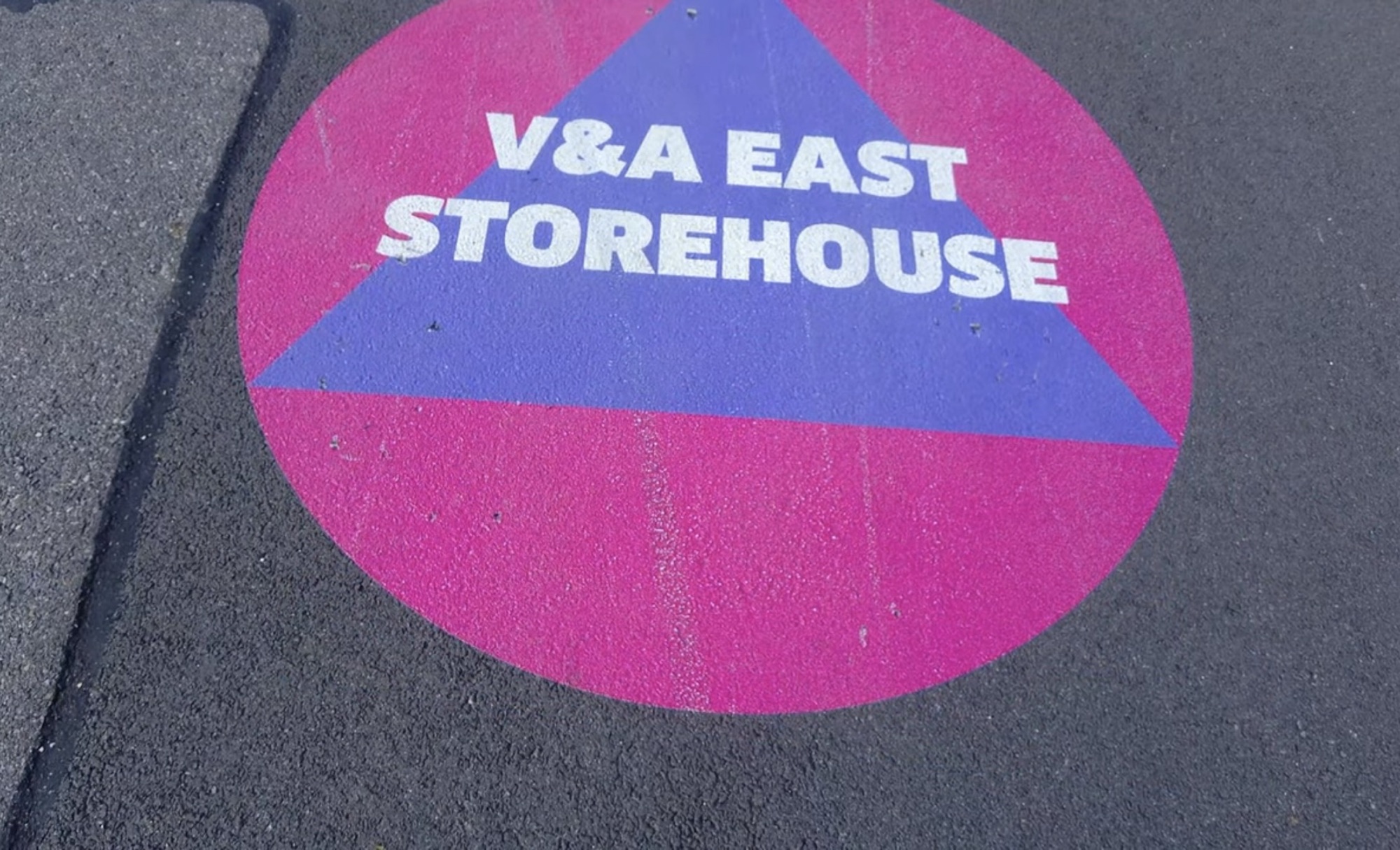
V&A East Museum opened on 18 April 2026, with the separate V&A East Storehouse at Here East having opened the year before. Sadler’s Wells East, London College of Fashion and UCL East have all added their own activity to the South Park, alongside the sport that first put this corner of Stratford on the map.
Practical Things That Matter
🕐 Park access
General parkland is open every day. Individual venues, playgrounds and cultural buildings operate their own hours.
🚆 Best arrival
Stratford is the most useful hub for the Stadium, East Bank and South Park. Hackney Wick suits the western waterways and Here East.
♿ Accessibility
Main routes are generally wide, hard-surfaced and step-free, with accessible facilities around the park and its venues.
💷 Cost
General parkland, walking routes and outdoor sculptures like the Rings and Agitos are free. Sport, performances and Orbit experiences charge separately.
My Take
Queen Elizabeth Olympic Park is definitely worth exploring, even if you’re not coming for a sporting event. There are plenty of places to walk, lots of interesting architecture and, of course, the history of the Olympics all around you. It’s a really interesting part of East London, and on a clear day, it’s especially nice to walk around and take in all the different venues.
Frequently Asked Questions
Is Queen Elizabeth Olympic Park free?
Yes. General parkland, public walking routes and outdoor sculptures like the Olympic Rings and the Agitos are free. Sporting facilities, performances and commercial attractions charge separately.
What is the Agitos?
The three-coloured symbol of the Paralympic Games, meaning “I move” in Latin. The three shapes represent the International Paralympic Committee bringing athletes together from around the world.
Can you still visit the Copper Box Arena and VeloPark?
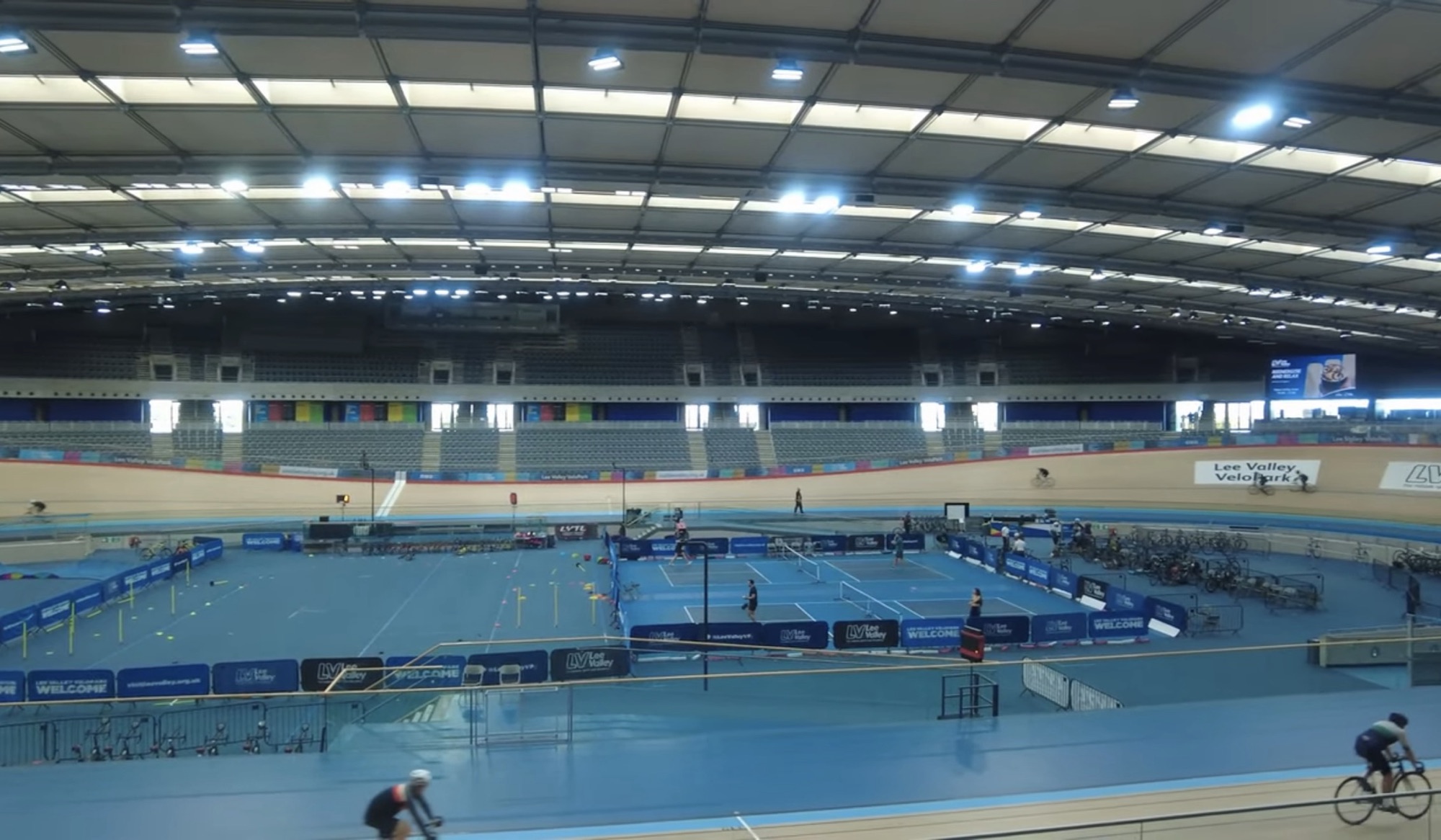
Yes. Both remain active sporting venues, with the VeloPark also open to cyclists on the track and to the public for tennis.
Is V&A East open?
Yes. V&A East Museum opened on 18 April 2026, and V&A East Storehouse at Here East opened the year before.
Which station is best for a walking visit?
Stratford is generally best for the Stadium, East Bank and South Park venues. Hackney Wick suits Here East and the western waterways.
Research Method
This guide is based on a personal walking visit across the park, taking in the London Stadium, Aquatics Centre, Olympic Rings, Agitos, Lee Valley VeloPark, Copper Box Arena and East Bank. Photographs on this page are original. Venue history, opening details and East Bank information were checked against Queen Elizabeth Olympic Park’s official visitor information.
Official & Useful Sources
- Queen Elizabeth Olympic Park: Visitor Information
- Queen Elizabeth Olympic Park: Waterways Trail
- Queen Elizabeth Olympic Park: East Bank
Last checked: 10 September 2026
Nearby guides: Victoria Park, Lee Valley Regional Park and Mile End Park
Author

Steve visits every park featured on EKS Parks in person, checking practical details against councils, park operators and official sources. Every guide is based on a personal visit, and the photographs published with it are his own.
About Steve