

Beckenham Place Park is a useful reminder that a London park does not have to choose between history, recreation and genuinely wild-looking landscape. One part revolves around a Georgian mansion, café courtyard and formal garden. A few minutes away, swimmers cross a purpose-built natural lake. Continue farther and the paths enter ancient woodland where the social side of the park quickly drops from view.
During the school holidays I found myself coming back here quite often. After work, it was a nice way to get outside, relax and get some fresh air, and the more I visited, the more of the park I found myself discovering.
The park covers roughly 96–98 hectares, making it Lewisham’s largest green space. Its size matters, but what makes a visit interesting is not simply the acreage. The character changes repeatedly as you move through it.
For a first visit, the easiest way to understand Beckenham Place Park is not as a list of attractions. Think of it as a landscape built in layers, with each period of its history still visible in the next.
Read the Park in Layers
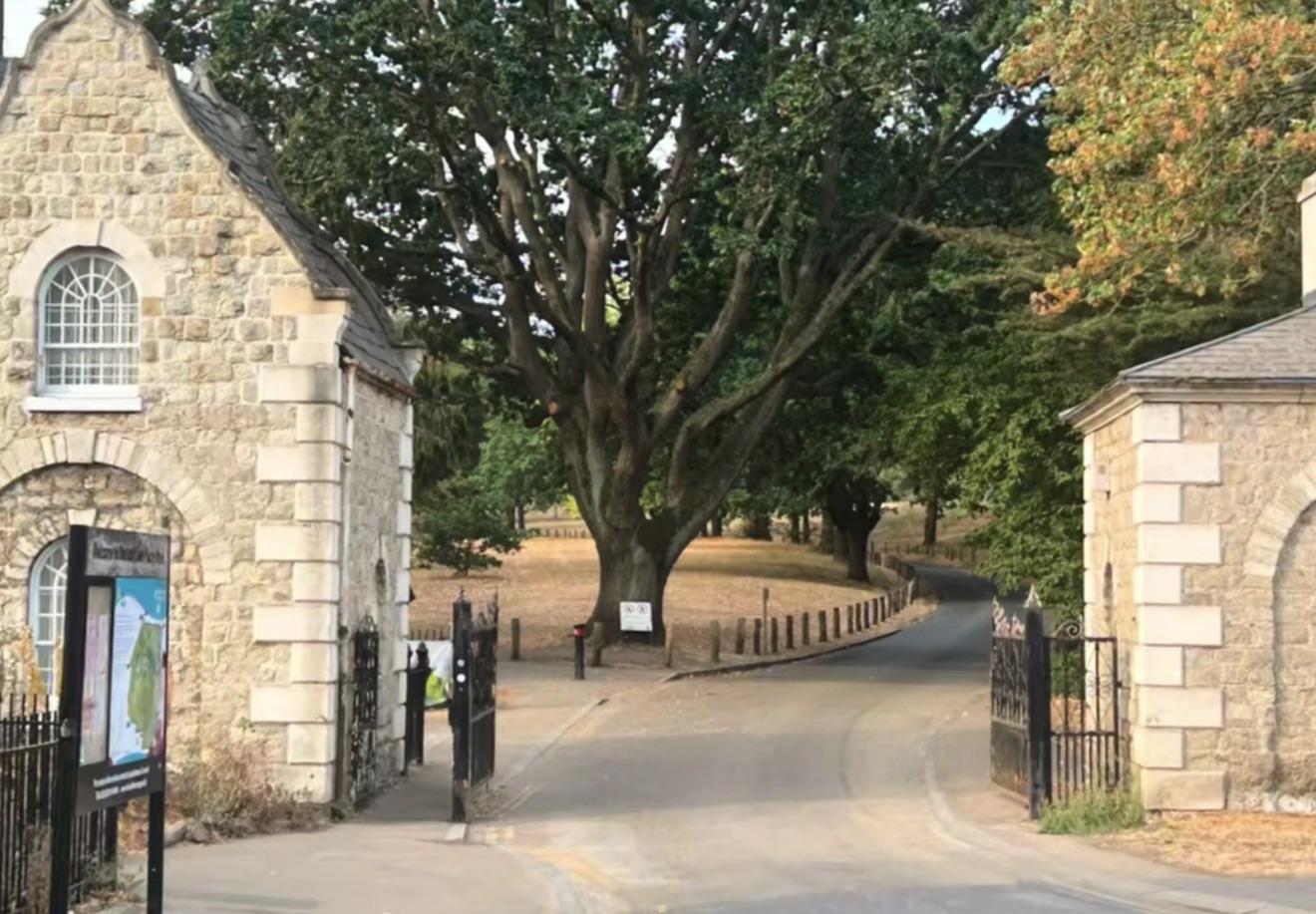
Beckenham Place Park has changed from private estate to golf course and then into the large public landscape visitors use today. Those phases have not disappeared neatly.
The Mansion still provides the historic anchor. The old golf-course land creates broad open grass. The restored lake adds modern recreation. Ancient woodland survives around the edges. Understanding those layers makes the park far more interesting than simply moving between facilities.
Start with the Estate, Not the Playground
Beckenham Place Park began as a country estate rather than a municipal recreation ground.
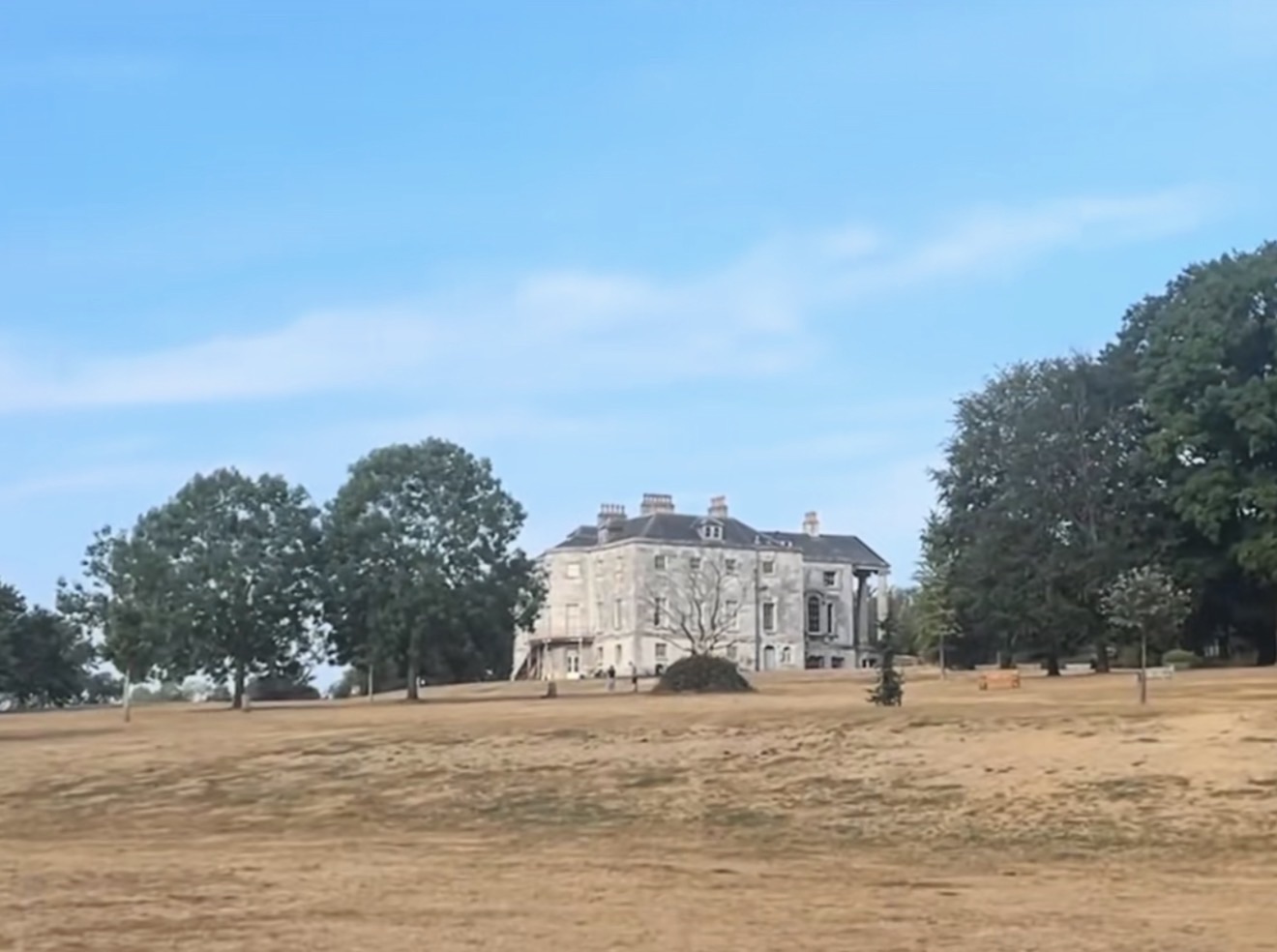
Timber merchant John Cator acquired the estate and built the Mansion in the eighteenth century. The Grade II*-listed building still occupies a commanding position above the surrounding landscape and gives the western side of the park a clear focal point.
The Mansion Is Still Active, but Not a Museum
It now contains artist studios, independent businesses and spaces used for classes, weddings and cultural events.
The building itself is only open to the general public when a public event, class or other programme allows access. Visitors should not assume they can simply wander through every room during an ordinary park day.
The Mansion Bar & Café operates separately and is open to the public on its own schedule.
This distinction matters because older descriptions sometimes make the Mansion sound like a permanently open heritage attraction. It is better understood as a historic building that has been returned to active community use.
The Formal and Scented Gardens Slow the Park Down
Near the buildings, the landscape becomes much more deliberate. On more than one visit I found myself walking through this garden just to see the flowers, and it’s one of the nicer places in the park to slow down for a few minutes rather than keep moving.
Restored formal gardens, flowering plants and quieter seating provide an immediate contrast with the open former golf-course land.
It is one of the better places to stop when the café courtyard or lake feels too busy because the garden encourages sitting rather than activity.
The Homestead Area Is Where the Park Becomes Social
Beckenham Place Park’s everyday social centre is the cluster around the Homestead Courtyard and Mansion, and it’s also where I saw the most going on each time I visited: people having picnics, children playing nearby, plenty of families making a proper afternoon of it.
Homestead Café
The café serves pastries, pizza, hot and cold drinks, craft beer and ice cream, largely as takeaway.
During warmer months, an additional kiosk operates near the playground, which reduces the need to bring children back towards the courtyard every time they want a drink or snack.
Mansion Bar & Café
The Mansion has a separate café and bar with indoor seating and outdoor space.
Markets, pop-ups and other events can add food traders around the buildings, but these should be treated as programme-dependent rather than permanent facilities.
The Homestead Courtyard is also the most reliable public toilet location.
Facilities include a step-free accessible toilet and baby-changing tables in both the male and female toilets. Their opening follows the Homestead Café rather than the park’s 24-hour pedestrian access.
The Playground Kept Me Coming Back
The western playground, with its slides, swings and sand area, was one of the reasons I returned so often during the holidays. It’s simple, but it works, and there’s enough open space around it that a playground visit doesn’t have to be the whole trip. Plenty of families were using the picnic tables and benches nearby, which made the whole area feel busy in a good way rather than crowded.
The Lake Is a Recreation Facility Inside a Wildlife Landscape
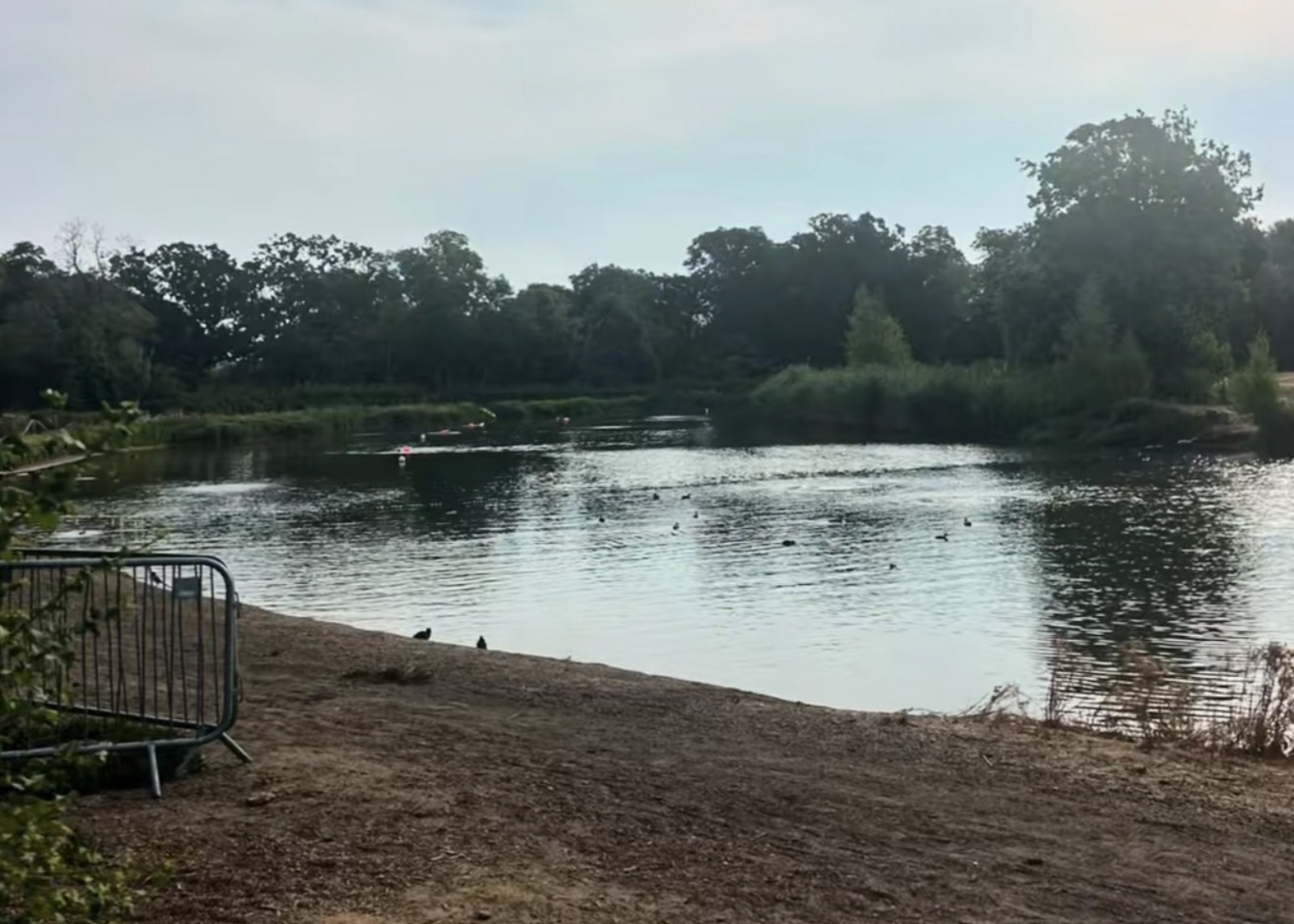
The restored lake is one of the features that most clearly separates Beckenham Place Park from comparable neighbourhood parks in South East London. What actually surprised me was seeing people swimming in it, with a lifeguard on duty at the time. I hadn’t expected proper supervised swimming in the middle of a park like this.
A Purpose-Built Swimming Lake
The lake is approximately 285 metres long and reaches depths of up to 3.5 metres.
It was reconstructed as part of the wider park restoration and is used for managed open-water swimming and paddleboarding.
Swimming is not casual drop-in bathing. Sessions are operated by PTP Coaching and should be booked through the lake operator.
Do Not Assume
- that ordinary park entry includes swimming
- that children can simply paddle at the edge
- that dogs can enter the lake
- that a swim session is available all day
- that warm weather guarantees spare capacity
Around the lake there are benches and picnic tables too, so it’s a good spot to sit down for a while even if you’re not swimming yourself. The reed cover supports nesting birds, while insects around the water provide food for bats and other wildlife.
That mixture is important. The lake is designed for people, but not exclusively for people.
Open-Water Swimming Is Not the Same as a Lido
The attraction for many swimmers is precisely that this is natural water rather than a chlorinated outdoor pool.
That also means water temperature, weather and operating conditions matter more. Anyone expecting the simplicity of a conventional leisure-centre swim should read the operator’s guidance before booking.
The Former Golf Course Explains the Park’s Sense of Space
For decades, large parts of Beckenham Place Park operated as a public golf course. That use ended before the major restoration, leaving a landscape of wide grass, rolling contours and old tree groups that now belongs to ordinary park users.
Open Space Without a Formal Purpose
This is one of the places where the park feels most relaxed. The grass does not require visitors to queue, book or follow a particular route. Even after visiting a few times during the holidays, I found there was still more of this open ground to explore.
Families picnic, dogs are walked, runners cross the open land and walkers can leave the busiest western hub without immediately entering dense woodland.
Since the golf course closed, this land has been open to everyone for walking and general recreation.
This former golfing landscape is also one reason the park feels larger than many other South East London greens of a similar distance from central London.
Families Can Use the Western Side Without Crossing the Whole Park
The western playground sits close to the Homestead Café and includes sand, swings and timber-style play features.
The Homestead Courtyard is close enough to make playground breaks much easier than in parks where facilities are widely separated.
Older children or adults can add a booked lake activity while younger children still have open space and conventional play nearby.
The western playground is the reliable family option at present.
The BMX and Skate Area Changes the Age Range
The eastern side also contains BMX and skating provision, giving older children and teenagers something more purposeful than a younger playground.
This matters in a large family park. A space that works only for toddlers tends to lose older siblings quickly; skating, cycling and open parkland broaden the audience considerably.
The Ancient Woodland Is Where Beckenham Place Park Stops Feeling Designed
Approximately 37 hectares of the wider park are woodland, including substantial areas classified as ancient woodland.
Summerhouse Wood alone covers more than twenty hectares and has been continuously wooded since at least 1600.
Once the paths move beneath the canopy, the Mansion, cafés and lake can disappear surprisingly quickly. Roots, leaf litter, narrower tracks and softer ground replace the social spaces of the western side.
This is arguably the park’s most important contrast: a modern lake and café culture exist only minutes from woodland old enough to pre-date most of the surrounding neighbourhoods.
Do Not Expect Every Path to Handle a Buggy Equally
Lewisham distinguishes clearly between its marked routes.
Uses much of the western side and generally follows the more accessible paths. One woodland section can be bypassed when necessary.
Includes the lake, woodland, a railway crossing and part of the River Ravensbourne. Paths are generally wide and firm.
Shorter but rougher. Narrow and uneven paths mean some sections are unsuitable for wheelchairs and buggies, particularly in wet conditions.
Designed for bicycles but uses shared paths, so riders are expected to slow down and give pedestrians priority.
The River Ravensbourne Is Easy to Miss
Around 900 metres of the River Ravensbourne runs along the eastern edge of the park.
Restoration work has aimed to make sections of the channel more natural, improving banks and habitat rather than treating the river only as drainage infrastructure.
For a visitor who already knows the Mansion and lake, following the eastern side gives a noticeably different reason to return.
My Take
The park is quite big, and even after visiting a few times over the holidays there was still more to explore. I liked that it works for both children and adults: kids can play, while adults can walk, jog, relax or just spend some quality time outside.
For me, this is exactly what I enjoy about parks in London. You don’t always need anything fancy. A bit of open space, fresh air and somewhere to walk or relax can be enough for a really good day, and Beckenham Place Park gave me that more than once.
Accessibility Is Better on the Main Routes Than in the Woods
Beckenham Place Park cannot be described with one blanket accessibility statement because its surfaces range from formal courtyard paving to woodland tracks.
Step-free public toilets include an accessible cubicle and baby-changing facilities.
The building is wheelchair accessible and has a disabled toilet for visitors attending its public events, classes or café.
Mostly follows more accessible paths, with one woodland section that can be avoided.
Generally uses wide, firm paths and can be more predictable than the Woodland Wander.
Narrow paths, roots, uneven ground and wet conditions can create significant barriers for wheelchairs and lightweight pushchairs.
Public Transport Is Easier Than the Name Suggests
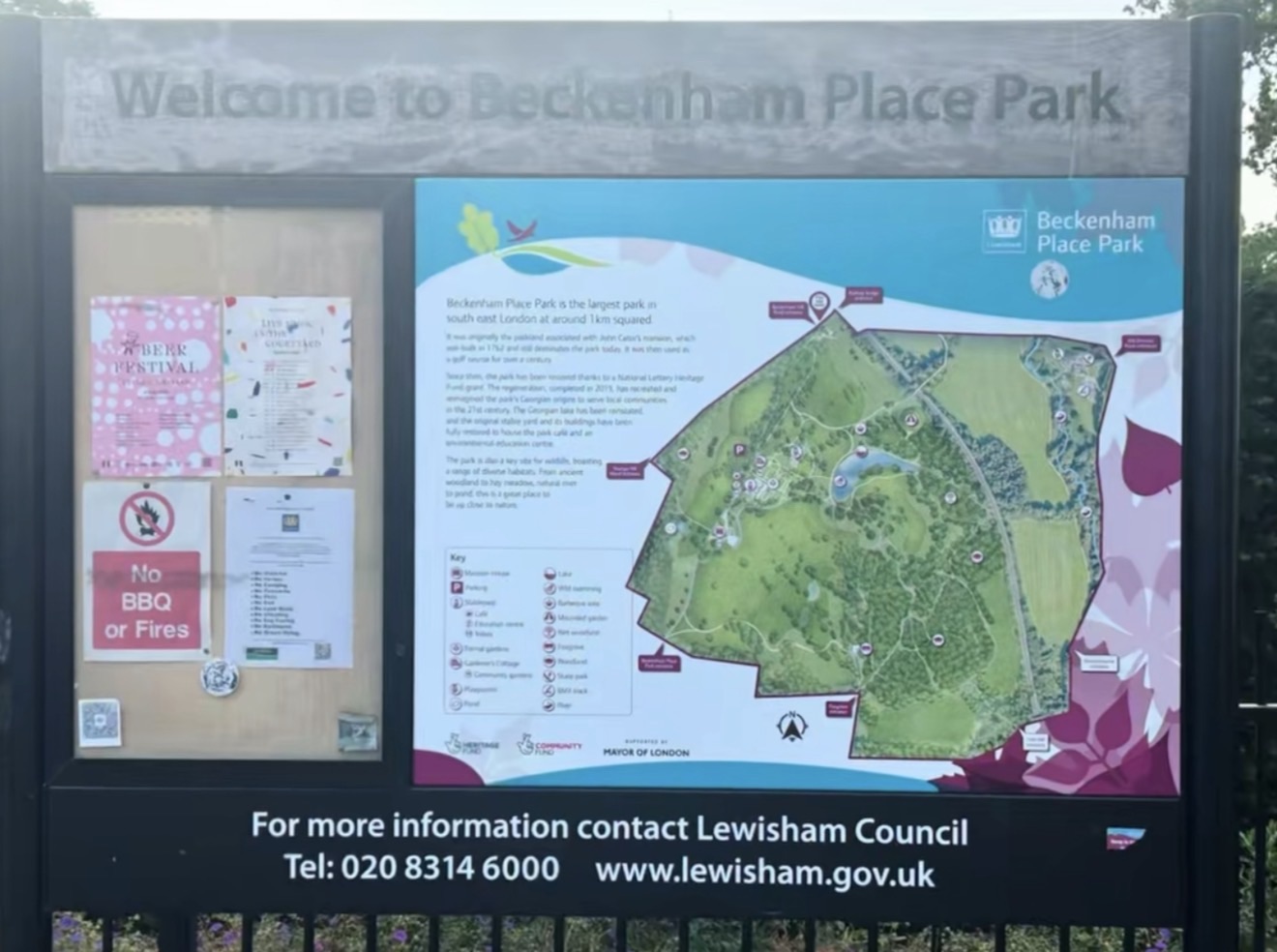
Beckenham Place Park sits between several rail approaches rather than relying on one entrance.
Less than a five-minute walk from a park entrance and one of the easiest choices for the western side.
Useful for approaching the southern and eastern woodland side.
Roughly 10–15 minutes’ walk from the park and also served by trams.
Stops near both Braeside and Southend Lodge approaches.
Other buses serve Bromley Road and surrounding entrances. For a large park with several useful gateways, choosing the entrance nearest the intended activity makes more sense than simply travelling to the station with “Beckenham” in its name.
Parking Exists, but It Is Not the Park’s Strongest Feature
The main car park is entered from Beckenham Hill Road.
It contains 108 spaces, including six Blue Badge bays. Parking charges operate daily from 8:00am–5:00pm using a cashless system, with tariffs linked to vehicle CO2 emissions.
Valid Blue Badge holders currently receive up to four hours free parking.
Vehicle access opens by 8:00am and gates currently close at 9:30pm.
Dogs and Cycling
Dogs are welcome across large parts of the park.
They are not allowed inside the lake or playground areas.
Cycling is permitted on park paths, but these are shared spaces. Pedestrians have priority in practice, particularly around the Mansion, Homestead, playground and busier lake approaches.
The dedicated cycle circuit offers a clearer option for riders who want the park itself to be part of the activity.
Food, Toilets and the Problem with a 24-Hour Park
Pedestrian access is available around the clock, every day of the year.
That does not mean facilities are available around the clock.
Homestead toilets follow the café’s opening pattern. The Mansion toilets are available during Mansion events and to café users. Lake sessions, markets and individual businesses keep separate schedules.
Someone planning an early-morning woodland walk can therefore enter the park perfectly legally while finding every café and public toilet still closed.
When the Park Is Most Interesting
Spring suits woodland walks especially well, with new growth, wildflowers and the formal gardens returning to colour.
Warm summer days make the lake and family areas most active but also place the greatest pressure on parking, cafés and popular lawns.
Autumn is particularly good for ancient woodland, fungi and mature-tree colour.
Early mornings offer perhaps the largest contrast with the busy western hub, notably calm before the main daytime activity begins.
How Long Should You Allow?
About 90 minutes: Mansion exterior, formal gardens, lake and a short western walk.
Two to three hours: add playground time or one of the marked walking routes.
Half a day: appropriate when combining a booked lake activity with food, family play and woodland.
A longer visit becomes worthwhile when the aim is to explore the eastern woodland rather than simply add more facilities.
Frequently Asked Questions
Is Beckenham Place Park free?
Yes. General park access, walking routes, playground and open landscape are free. Swimming, paddleboarding, food, classes and certain events are charged separately.
Is Beckenham Place Park open 24 hours?
Yes. Pedestrian access is available 24 hours a day, 365 days a year. Vehicle access and businesses operate separate hours.
Can you swim in the lake?
Yes, but only through managed open-water swimming sessions operated by PTP Coaching, with a lifeguard on duty during sessions. Sessions should be booked through the operator rather than treating the lake as an unrestricted bathing area.
Does the park have a playground?
Yes. The western playground near the Homestead Café has sand, swings and slides. The eastern playground is currently closed while it is being replaced.
Is Beckenham Place Park suitable for pushchairs?
The main western routes and several marked trails are relatively manageable, but some ancient woodland paths are narrow, uneven and muddy in wet weather. The Woodland Wander is the least suitable option when smooth surfaces are important.
Is there parking?
Yes. The main car park has 108 spaces including six Blue Badge bays, but it can fill quickly. Lewisham strongly encourages public transport, walking and cycling.
For another park where a Victorian landscape and modern family facilities share the same ground, see Crystal Palace Park, a short distance west.
Research Method
This guide is based on several personal visits to the park during the school holidays, in the afternoons and after work, covering the Homestead area, the playground, the formal garden and the swimming lake. Photographs on this page are original.
Current information about park access, parking, transport, playground status, walking routes, biodiversity and lake dimensions was checked against Lewisham Council and the official Beckenham Place Park website. Mansion access and facilities were checked separately against Beckenham Place Mansion because the building is independently managed.
Lake sessions, café hours, event access, parking arrangements and redevelopment work can change, so the relevant operator should be checked before travelling when one particular facility is essential to the day.
Last checked: 9 September 2026
Official & Useful Sources
Author

Steve visits every park featured on EKS Parks in person, checking practical details against councils, park operators and official sources. Every guide is based on a personal visit, and the photographs published with it are his own.
About Steve