
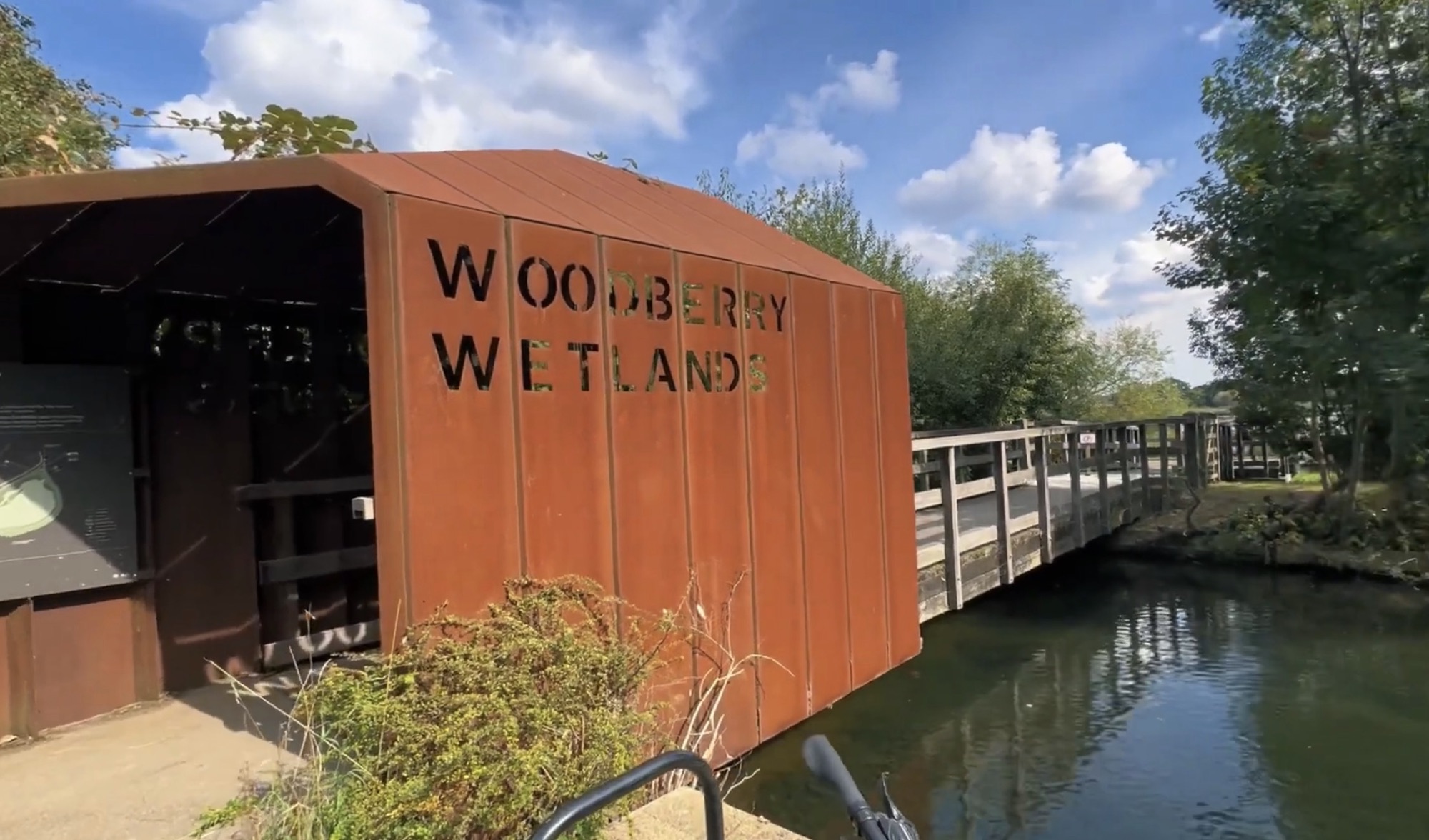
Victorian reservoirs turned reed-fringed wetland, with kingfishers and peregrines above, tower blocks beyond the water and a former coal store serving coffee. It is free to enter and sits a short walk from Stoke Newington and Manor House.
1Nature in the Middle of the City
I love finding places in the heart of London that let you feel surrounded by nature, and Woodberry Wetlands is one of the best I have found. From Stoke Newington it was only about a five-minute walk, and the change of mood was almost instant. The reserve covers around 11 hectares of reed beds, ponds and waterways, it costs nothing to enter, and the paths make it easy to wander at your own pace.
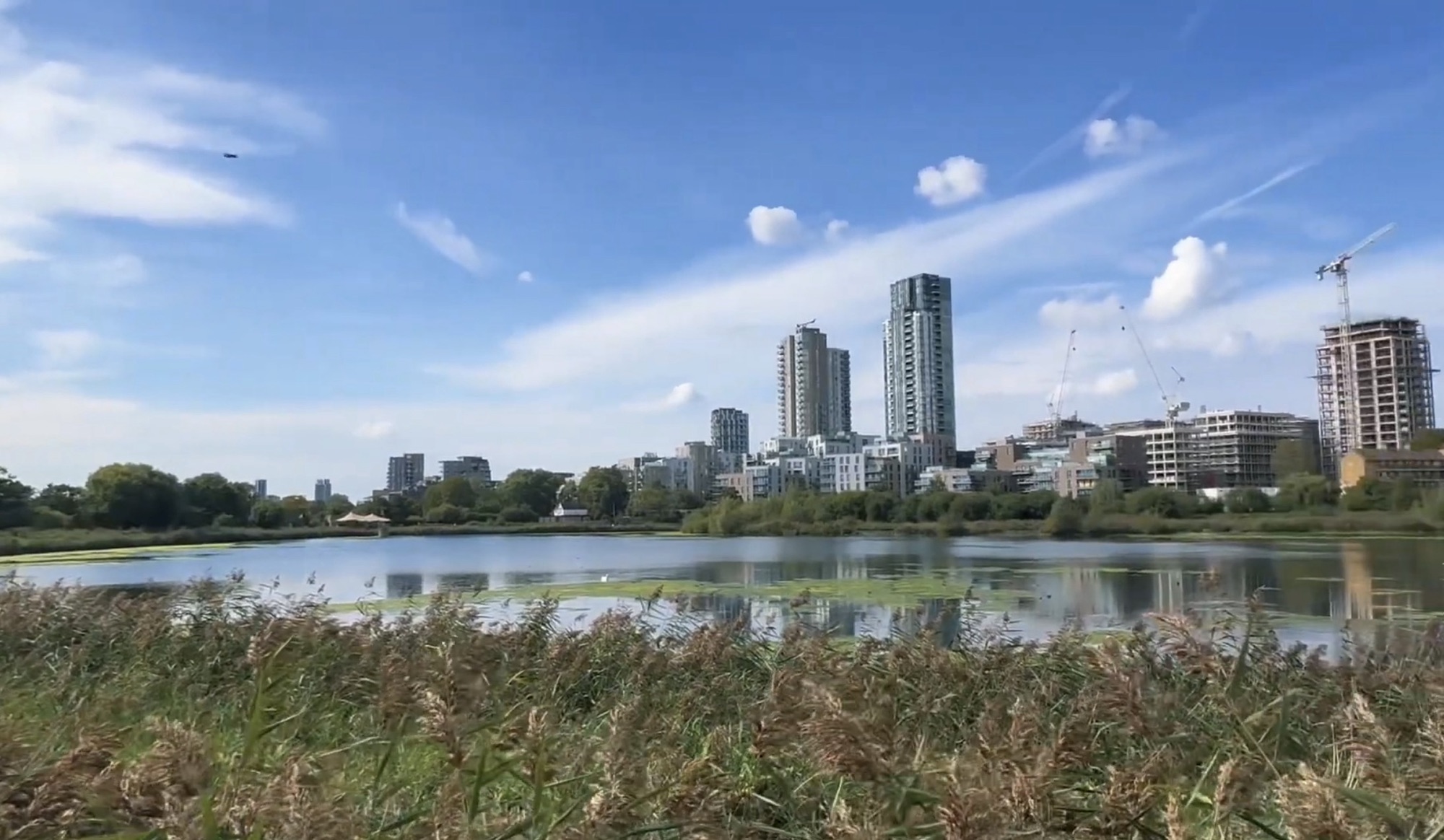
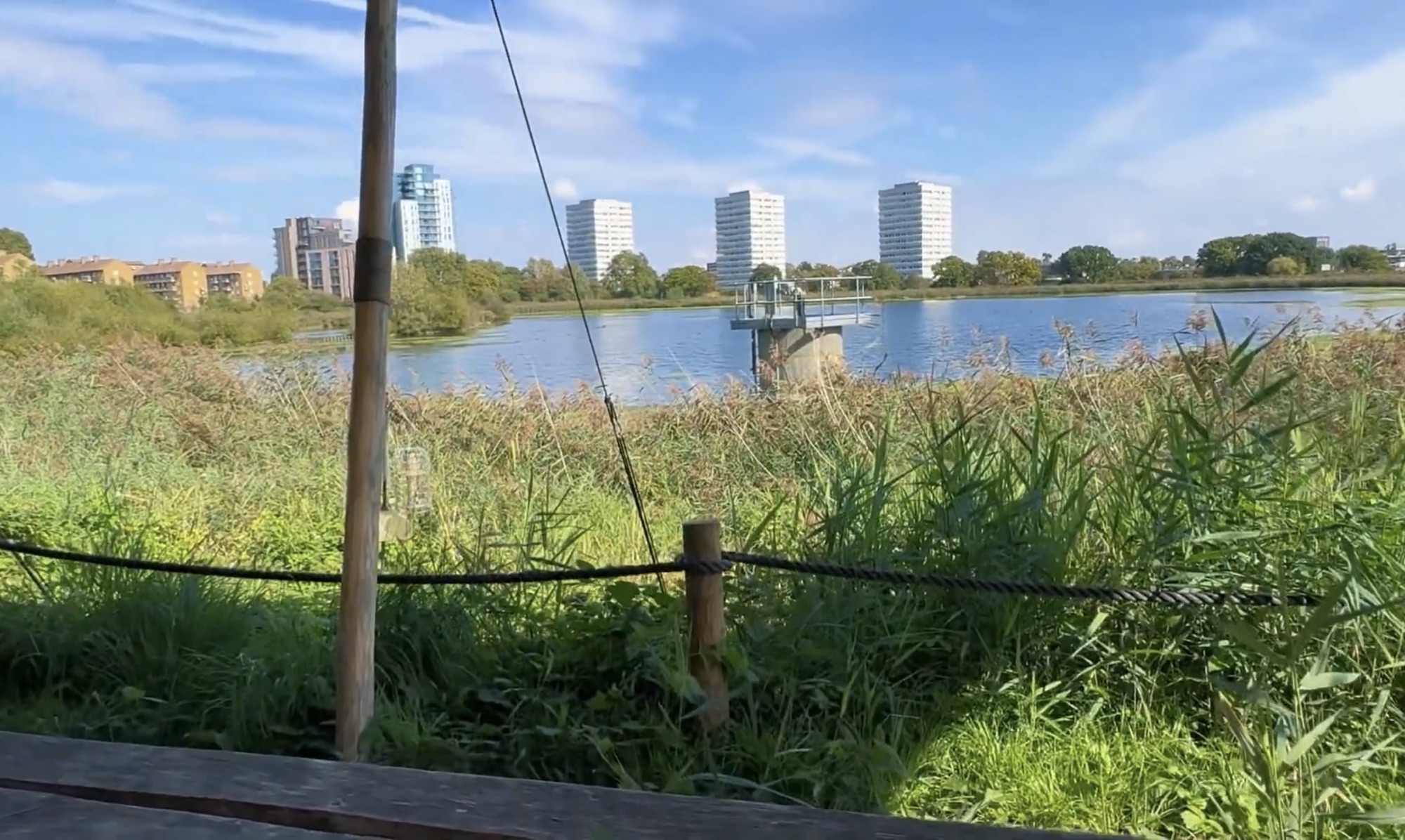
What stayed with me most was the contrast. Tall residential towers stand beyond the reeds, yet in front of you the water is calm, the grasses move in the wind and birds are working along the edges. You never forget you are in London, but it feels like a different world. When the city starts to feel overwhelming, a place like this lets you slow down, breathe and spend an hour outside.
2Walking the Reservoir Edge
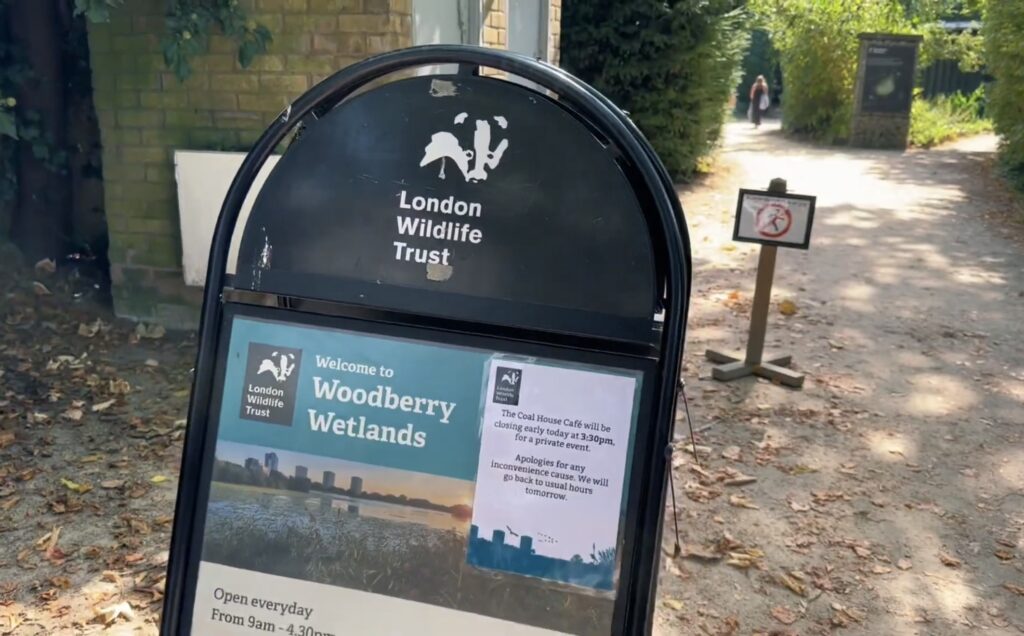
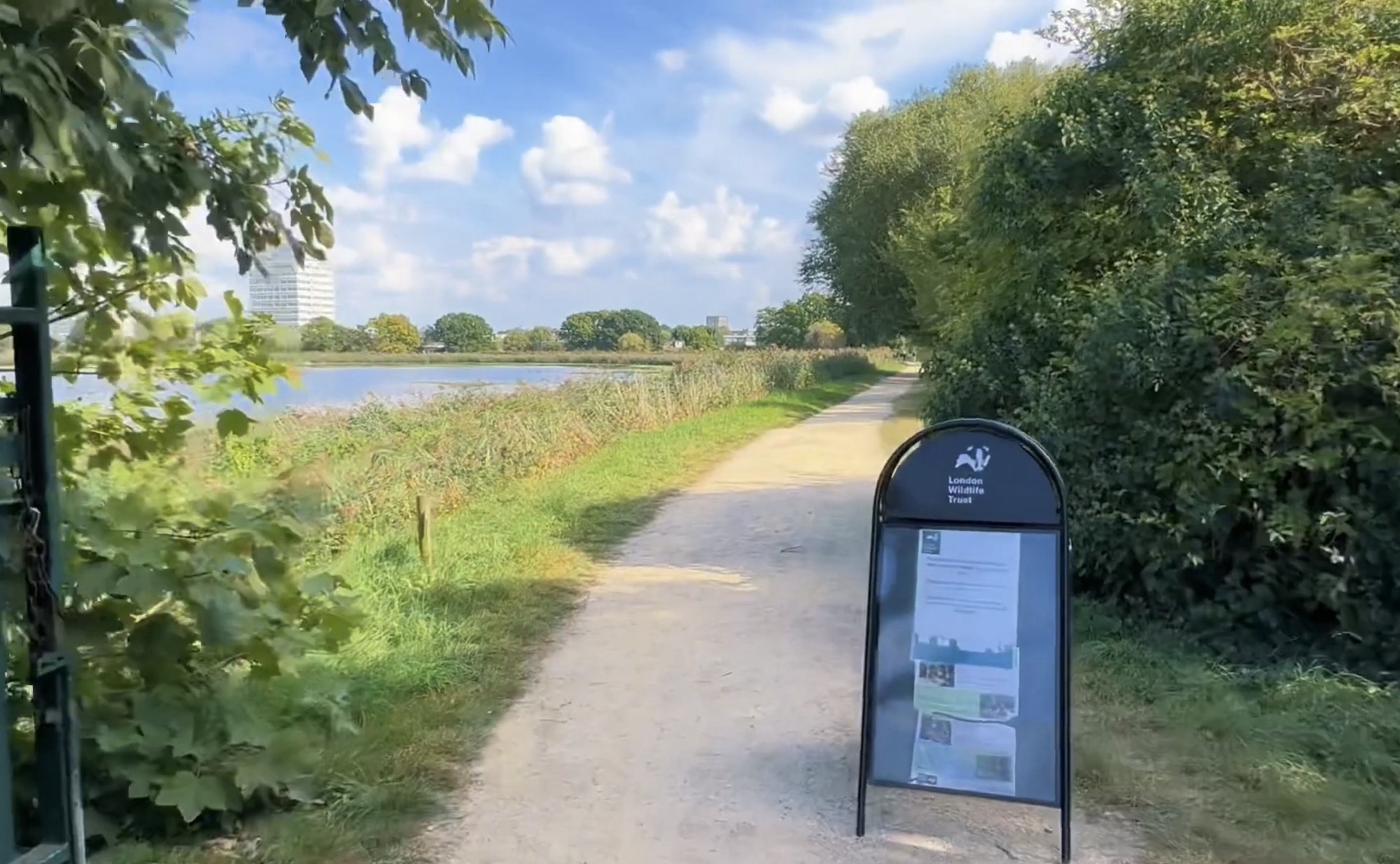
The main route follows a wide gravel path beside the water, with reed beds on one side and hedgerow on the other. A London Wildlife Trust board stands on the path as a reminder that the reserve is looked after by a charity, and that visitors are guests in a working habitat.
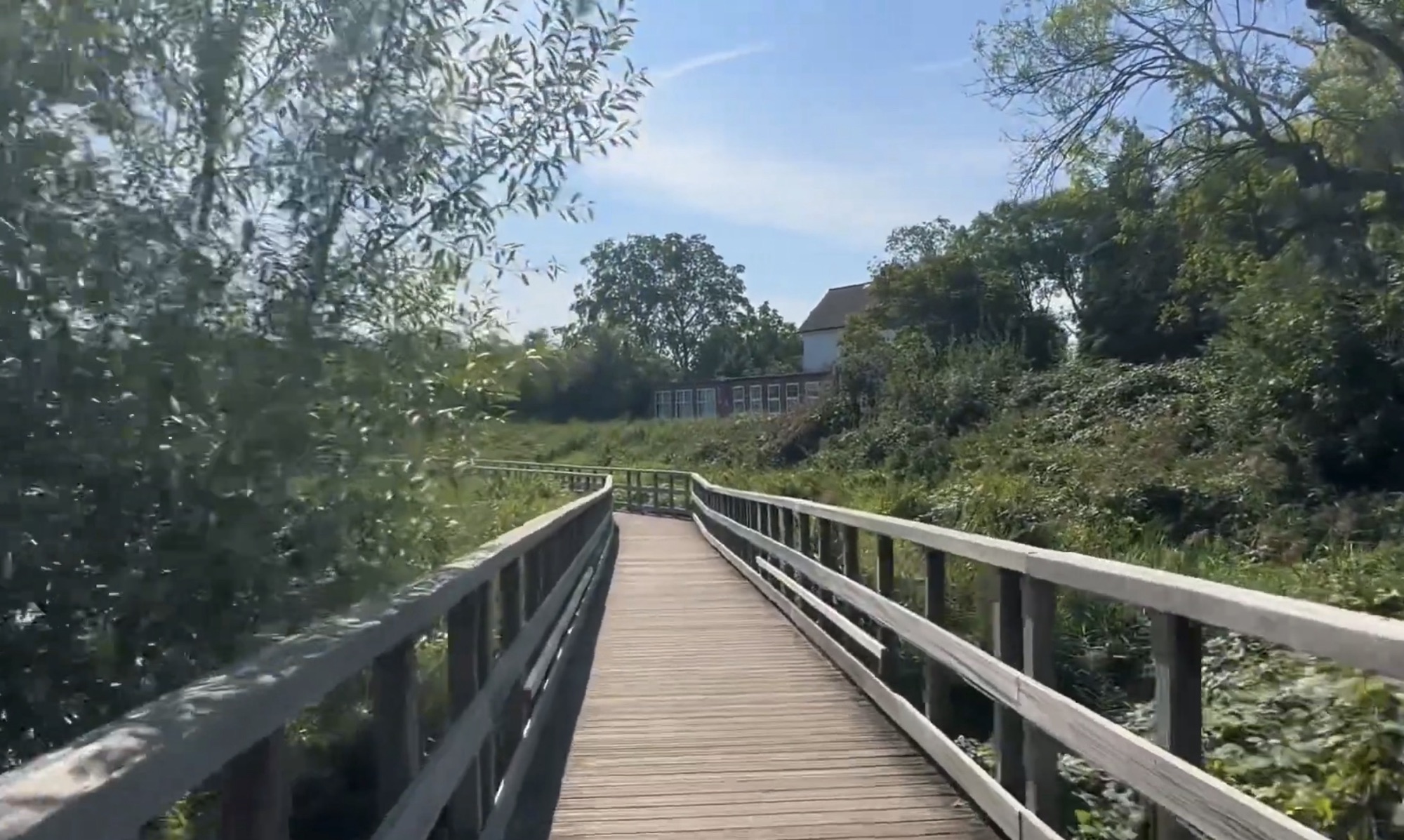
Further along, a wooden boardwalk curves through willows and tall reeds. It is the most atmospheric stretch, because the reeds close in and the traffic noise falls away.
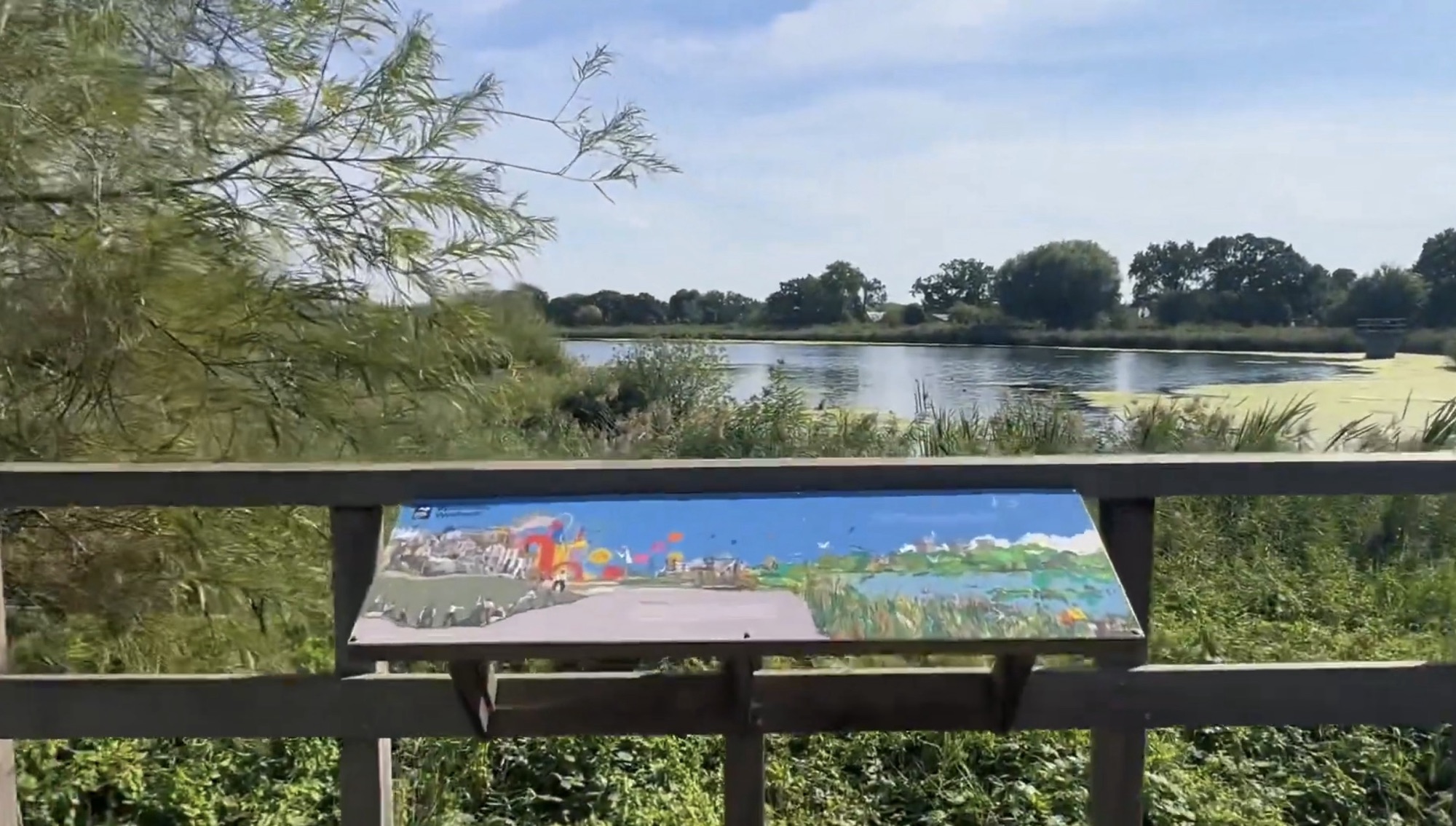
There are places to sit and watch. From a timber shelter I looked out over the reeds to a concrete valve tower standing in the water, with three white tower blocks behind it. Nearby, a painted panorama on the railing shows the same view as an illustration, which is a nice detail for children.
3What the Sightings Board Said
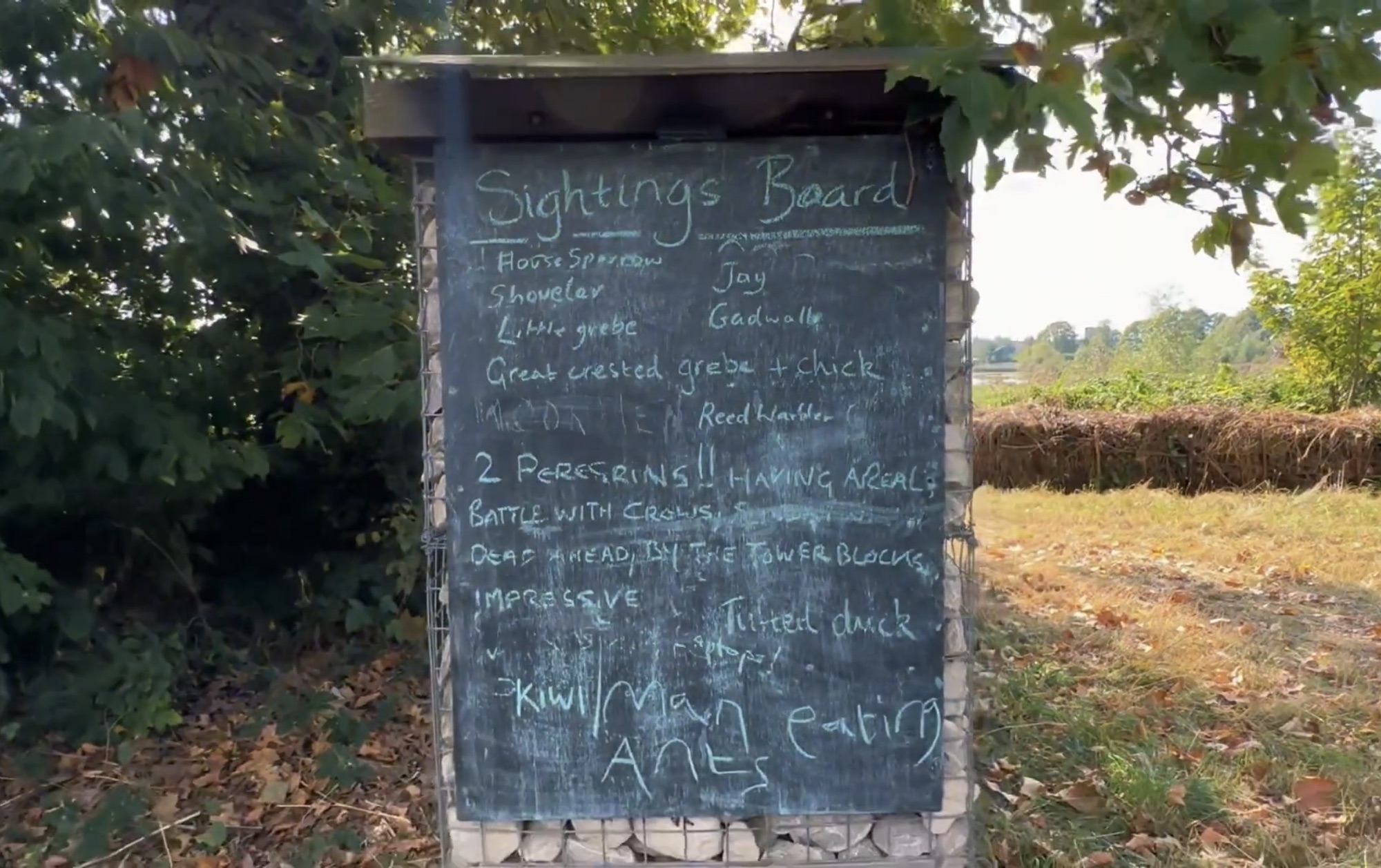
Near the water there is a hand-written chalk sightings board, and it became my favourite thing on the walk. Visitors add what they have seen that day, so it works as a live bird list. On my visit it recorded shoveler, little grebe, gadwall, tufted duck, a great crested grebe with a chick, a reed warbler, a jay and a house sparrow. The entry that got the exclamation marks was two peregrines having an aerial battle with crows over the tower blocks, which someone had called impressive.
Sightings Board
- House sparrow
- Shoveler
- Little grebe
- Jay
- Gadwall
- Great crested grebe + chick
- Reed warbler
- Tufted duck
- 2 peregrines!!
Copied from the chalkboard on the day of my visit. Your day will look different.
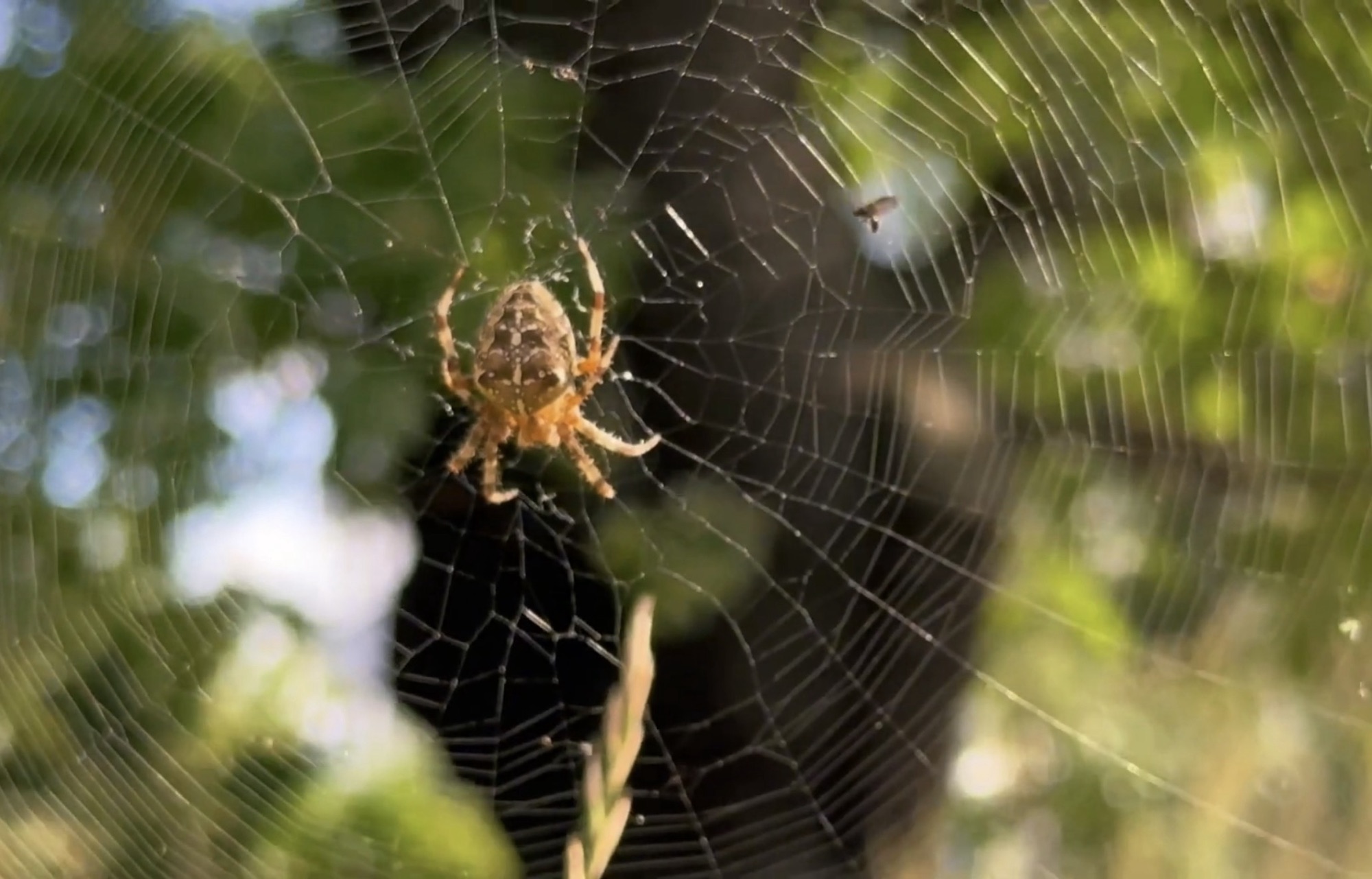
Not everything is a bird. I also stopped for an orb-web spider sitting in the centre of a huge web, with a small fly hovering close by. Slowing down is exactly what the place encourages.
Wildlife You Might See
The reed bed has been extended with the aim of encouraging reed warblers to breed and bitterns to overwinter, so it is a place that is still changing.
4The Coal House Café
The café is in the Coal House, a Grade II listed brick building from 1833 that once held coal for the old pumping works. Its arched windows, round clock faces and the name cut into the green shutters make it one of the prettiest buildings on the site.
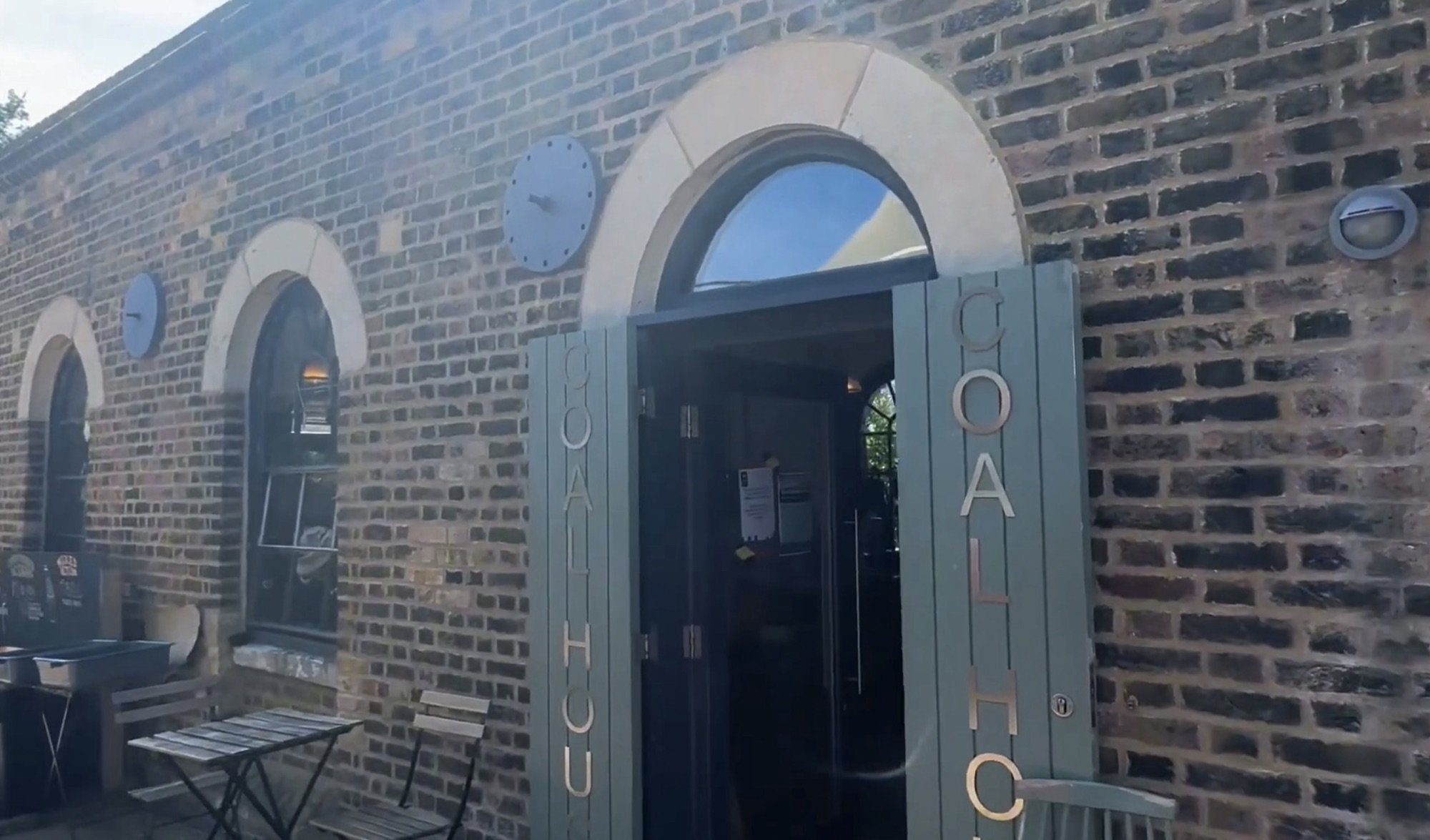
Inside and out there are tables, and the café has a waterside terrace, a garden and a rooftop patio. The menu is cakes, sandwiches made to order and seasonal soups and salads. I took a drink, sat down with the view and rested before carrying on. London Wildlife Trust lists café hours of 9am to 3:30pm in winter and 9am to 4:30pm in summer, with last orders 15 minutes before closing.
5From Drinking Water to Nature Reserve
Thames Water still owns the site and London Wildlife Trust manages it. The reserve is recognised as a Site of Metropolitan Importance for Nature Conservation.
6Woodberry Down and the New River Path
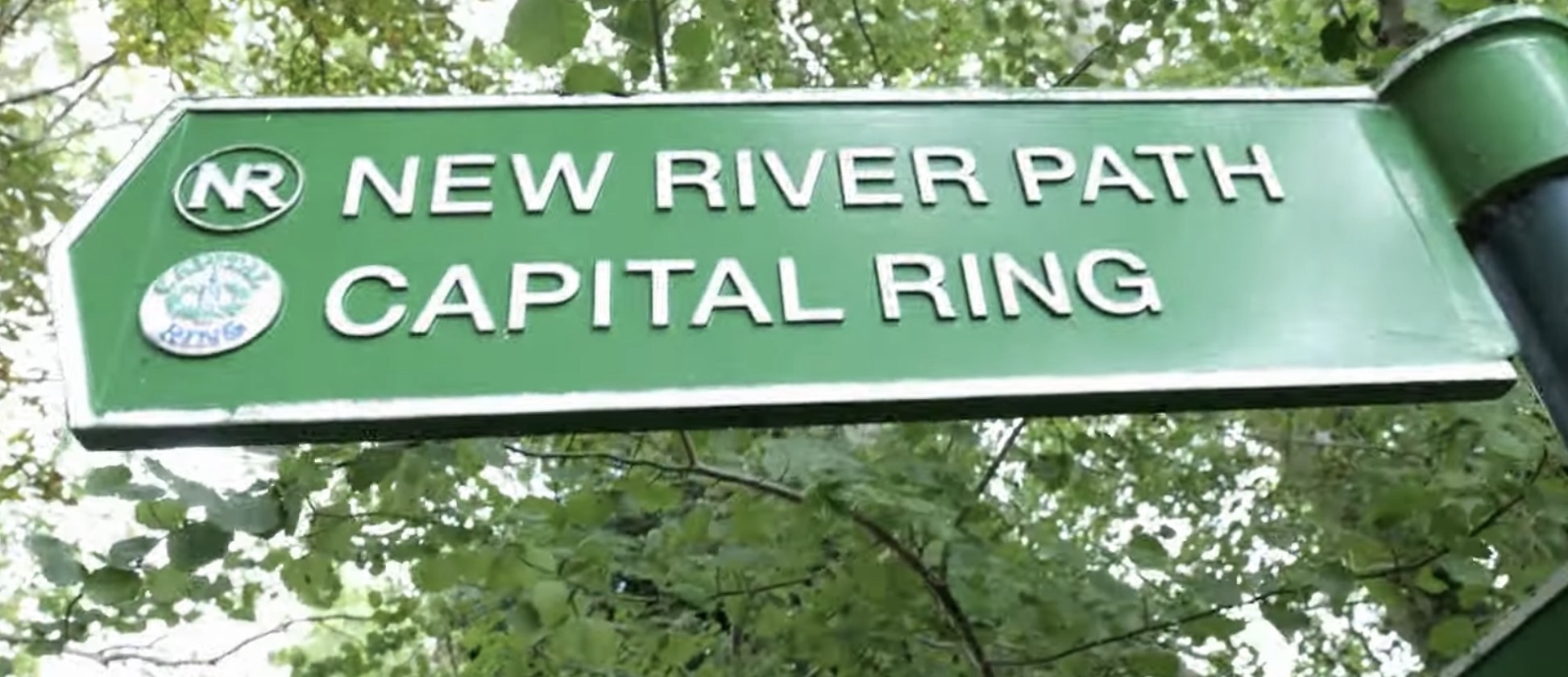
The reserve sits at the edge of the Woodberry Down estate, and the approach from the south shows how the neighbourhood has changed. Signposts mark the New River Path and the Capital Ring, two long-distance walking routes that share the same corner, so the reserve works as a stop on a longer walk as well as a destination.
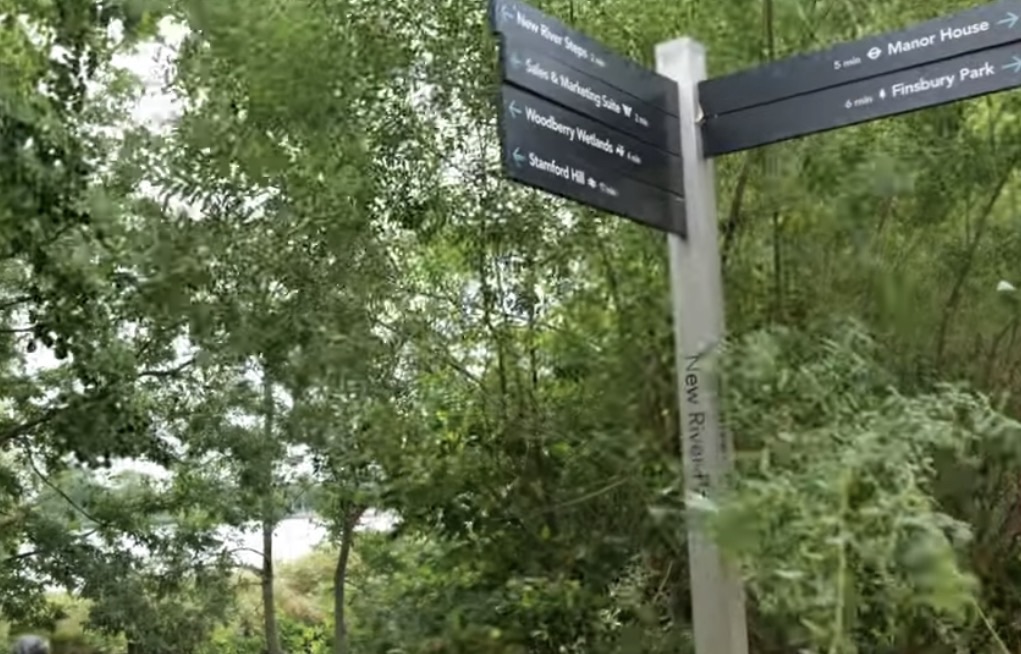
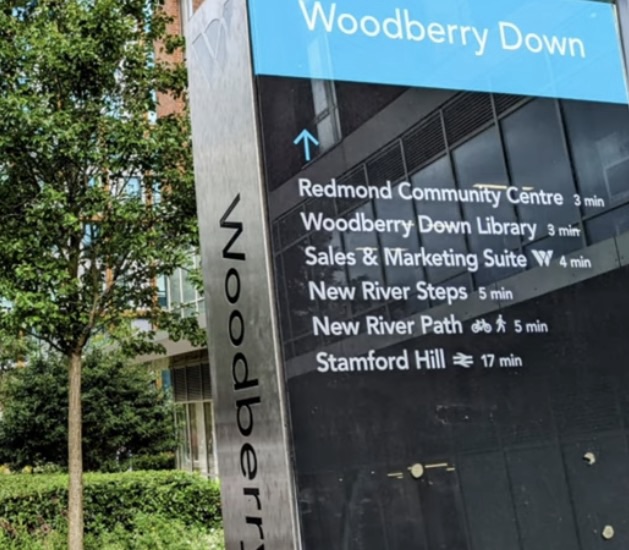
Another signpost points to Woodberry Wetlands, New River Steps and Stamford Hill, with Manor House and Finsbury Park signed in the other direction.
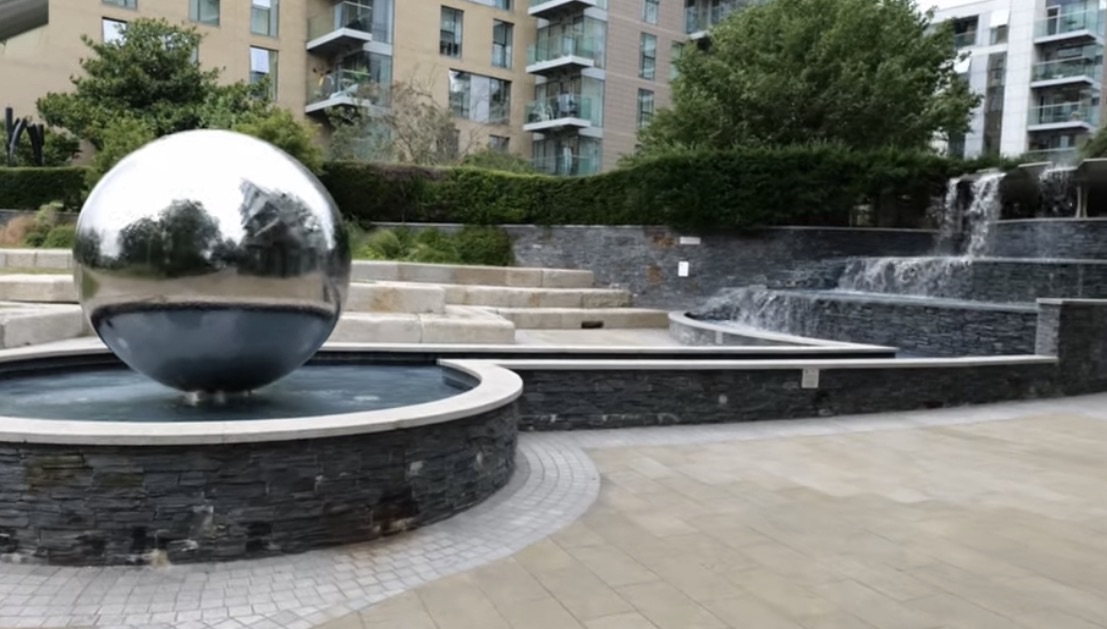
On the way in I passed a square with a polished steel sphere and a stepped slate waterfall, one of the new public spaces built with the estate.
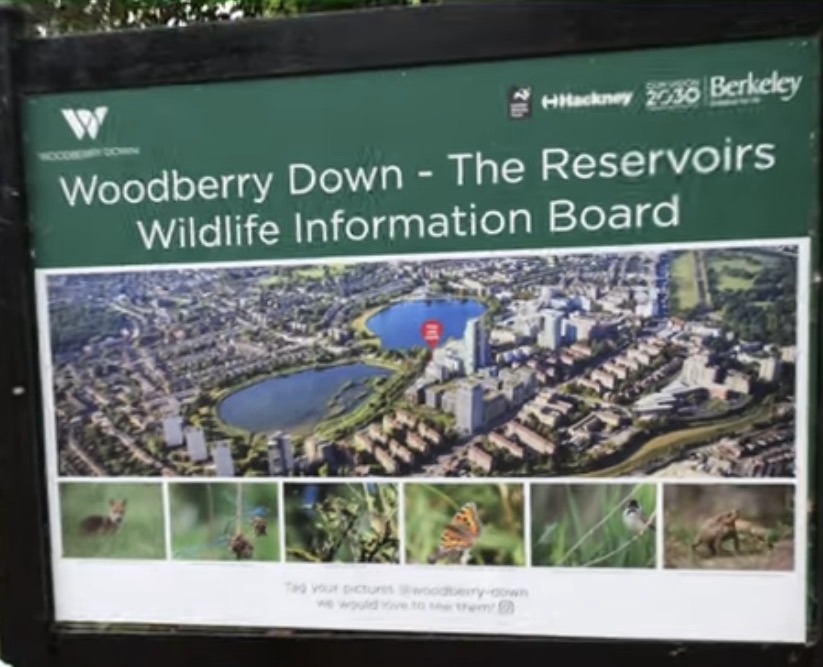
Two more signs are worth a look. The wildlife board shows both reservoirs from the air with photos of a fox, a butterfly and a reed warbler, and the wayfinding sign lists walking times, including 17 minutes to Stamford Hill.
7Learning and Community
Woodberry Wetlands is more than a walk. London Wildlife Trust runs family learning events, guided tours that must be booked in advance, volunteer conservation days and school visits. There is also a visitor centre and classroom, and the site can be hired for meetings and events. For children, these sessions are a friendly way to learn about wildlife and why it needs protecting.
8How to Get There
| By Tube | Manor House (Piccadilly line) is the nearest tube station, and the reserve is reached along the New River Path from Lordship Road. |
|---|---|
| By rail | Stamford Hill and Stoke Newington (London Overground) are the closest rail stops. A sign in Woodberry Down gives about 17 minutes on foot to Stamford Hill. |
| By bus | Several routes serve Manor House and Lordship Road. Check the TfL Journey Planner for your starting point. |
| By car | The reserve has disabled parking bays outside each entrance but no general car park, so public transport or a walk from Stoke Newington is easiest. |
9Plan Your Visit
| Entry | Free for everyone |
|---|---|
| Opening times | October to March, 9:30am to 4pm; April to September, 9:30am to 5pm. Last entry through the East gate is half an hour before closing. |
| Coal House café | About 9am to 3:30pm in winter and 9am to 4:30pm in summer |
| Facilities | Visitor centre, toilets, accessible toilet, baby changing, shop, café and picnic area |
| Dogs | Guide and assistance dogs only |
| Best for | Birdwatching, short nature walks, photography, a quiet break from the city |
| Time needed | 1 to 2 hours |
10Is It Worth Visiting?
Yes, especially if you live in London and want somewhere calm without a long journey. It is not a park for ball games or a big picnic, and the guide-dogs-only rule rules it out for many people. As a free, easy place to watch birds, take a walk and have a coffee, it is excellent, and the city skyline behind the reeds gives it a character no other reserve in London quite has.
11Frequently Asked Questions
Is Woodberry Wetlands free?
Yes. Entry to the reserve is free for everyone.
Can I bring my dog?
No. Only guide dogs and assistance dogs are allowed.
Which station is closest?
Manor House on the Piccadilly line is the nearest tube station. Stoke Newington and Stamford Hill have Overground services.
Is there a café?
Yes, the Coal House café, in a listed building by the water, serves cakes, sandwiches, soups and salads.
Is it suitable for wheelchairs and buggies?
The main path from the entrance to the Coal House is level, with seating, and there is an accessible toilet. The woodland trail is not currently open.
What wildlife can I see?
Waterfowl, grebes, kingfishers and reed warblers, plus amphibians, bats, damselflies, dragonflies and butterflies. Peregrines have been recorded over the tower blocks.
Nearby guides: Finsbury Park, Clissold Park and Walthamstow Wetlands
Author

Steve visits every park featured on EKS Parks in person, checking practical details against councils, park operators and official sources. Every guide is based on a personal visit, and the photographs published with it are his own.
About Steve