
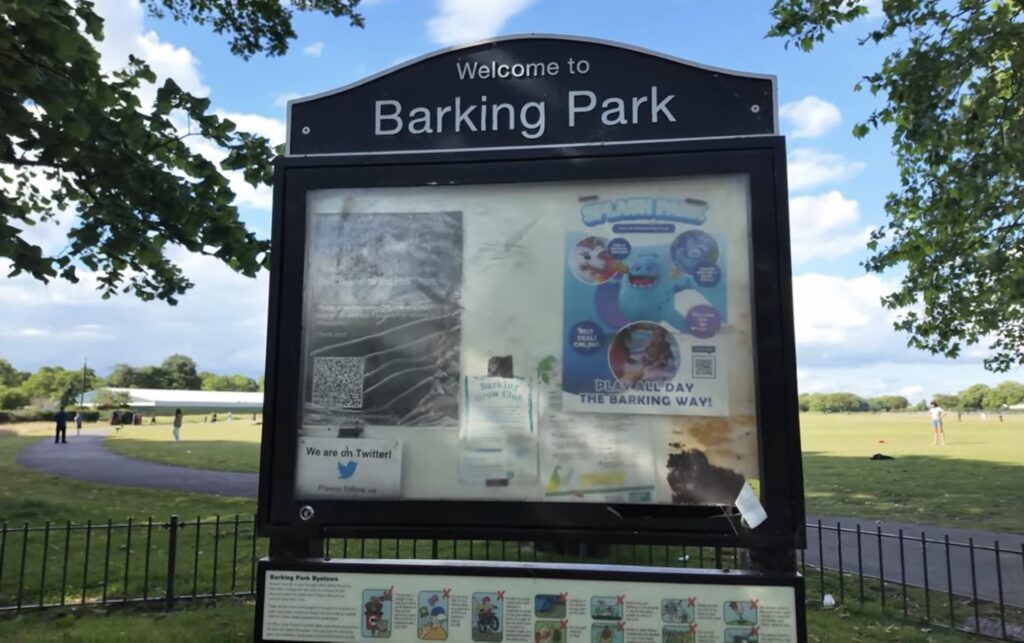
Barking Park: Boating Lake, Splash Park & Miniature Railway
A morning walk through one of East London’s oldest parks: a war memorial, a lake I had to hunt for the boat station on, and a slow half hour out on the water.
I went to Barking Park for a morning walk. I took the train from Whitechapel to Barking, and after leaving the station, it was a short walk to the park.
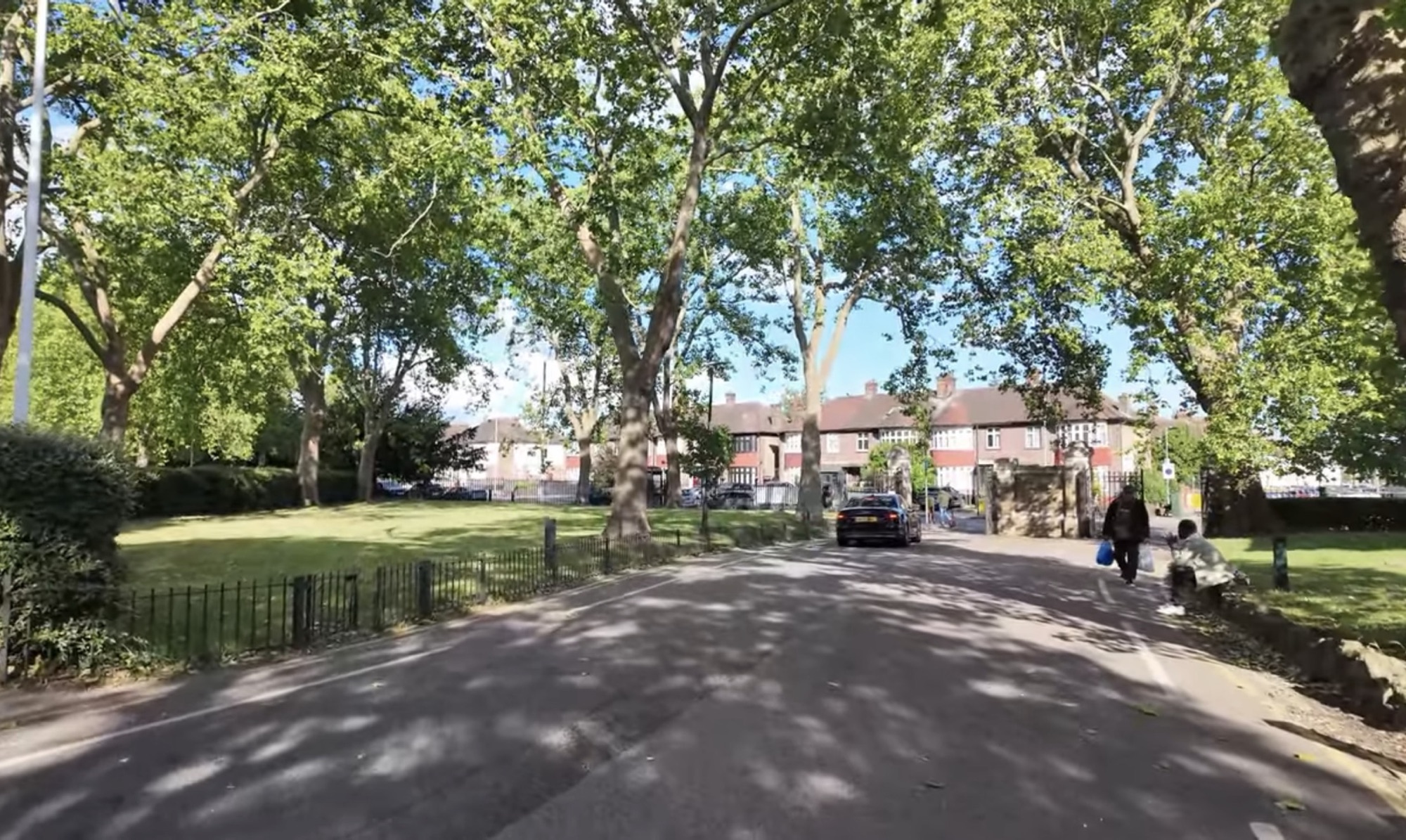
Barking Park is a really large park, covering almost 30 hectares, just east of Barking town centre. It’s a lovely open space with plenty of room to walk around and enjoy the scenery. Barking & Dagenham describes it as the oldest public park in the borough, and once you’re through the gates on Longbridge Road, it’s easy to see why it still feels like the heart of the area.
A Plaque Worth Stopping For
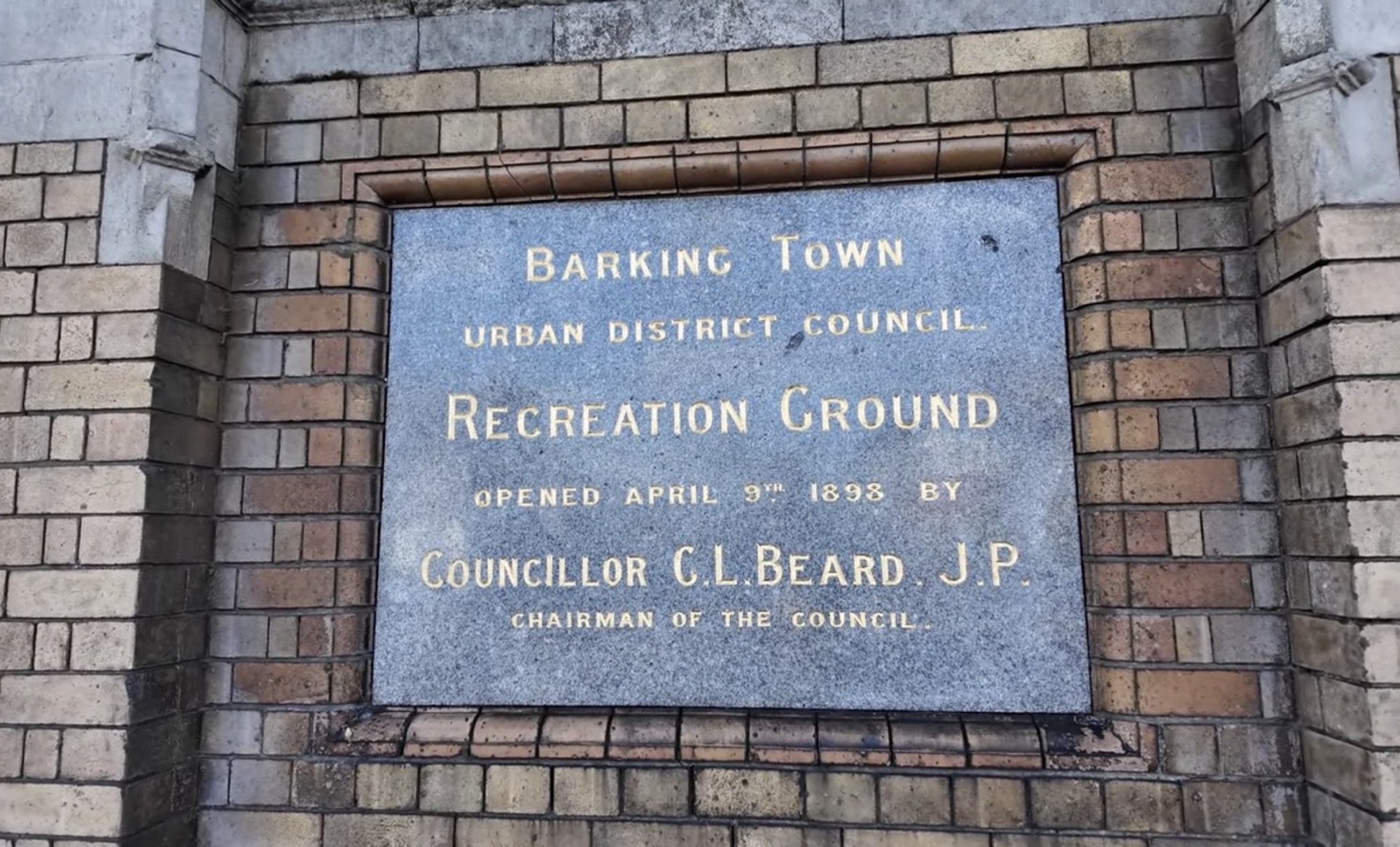
Near the entrance there’s a stone plaque set into one of the old gate piers, easy to miss if you’re not looking down at ground level. It records that this was originally the Barking Town Urban District Council Recreation Ground, opened on 9 April 1898 by Councillor C. L. Beard, JP, Chairman of the Council. It’s a small detail, but it’s the kind of thing that makes a park feel like it has a proper history rather than just being a patch of green space.
While walking through the park, I came across the war memorial, so I stopped to have a look and take some pictures. It sits quietly among the trees, away from the noisier parts of the park, and it’s worth a couple of minutes even if you’re only passing through.
Under the Plane Trees
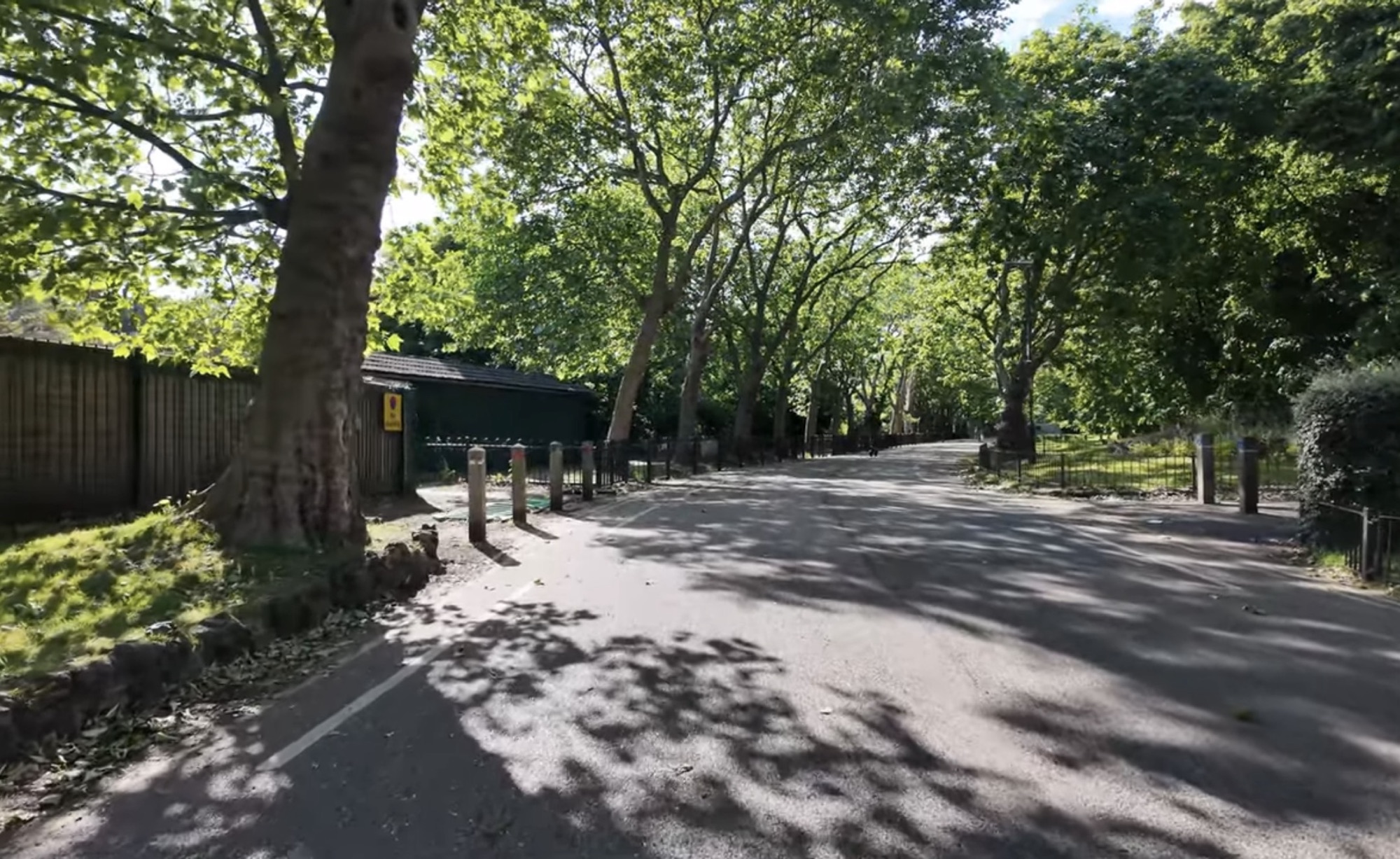
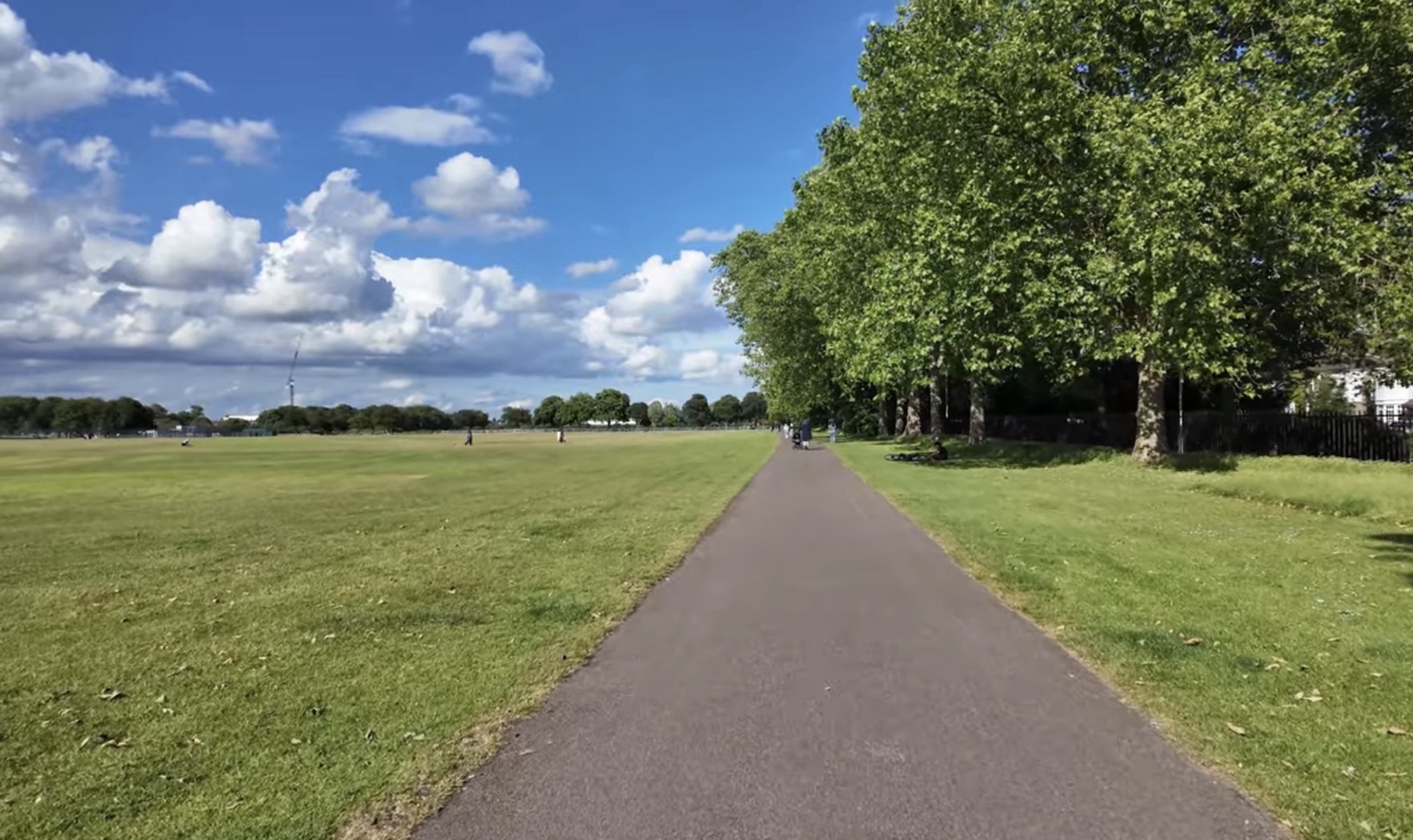
One of the things I liked most about Barking Park was simply walking under the avenues of mature plane trees that line the main paths. They must be well over a century old in places, and on a sunny morning the light coming through the leaves made for a nice, unhurried walk before I got into the busier parts of the park.
Further on, the park opens out into wide playing fields, big enough for several games of football at once, with plenty of grass simply left open for picnics, dog walking or just sitting in the sun.
The Search for the Boat Station
One of the things Barking Park is famous for is its boating lake, a long stretch of water that runs 910 metres end to end, among the longest of any park lake in London. I walked around for a while looking for the boat station, and after a few minutes I finally found it tucked along the north side of the lake.
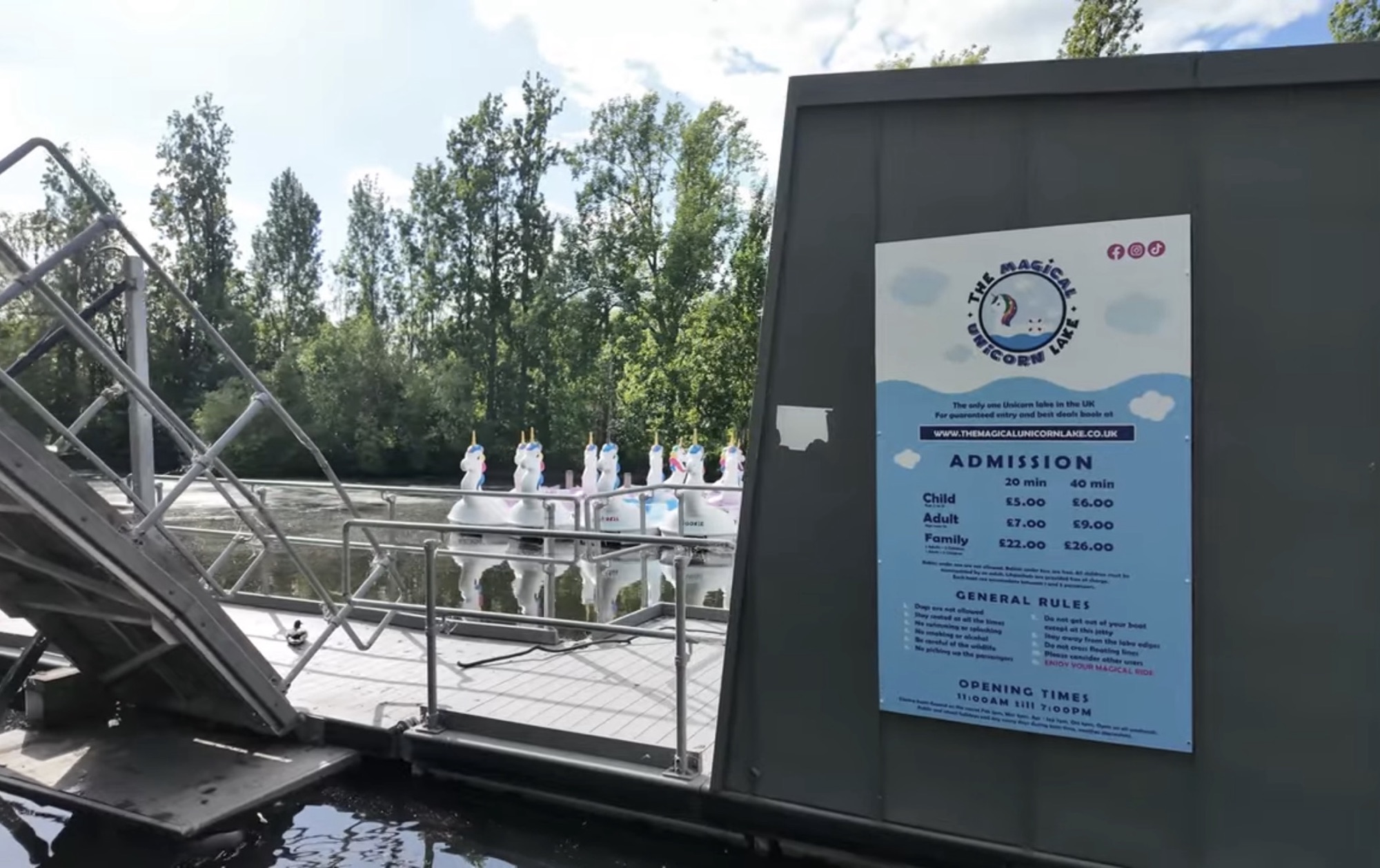
These days the boat hire on the lake runs as the Magical Unicorn Lake, a fleet of unicorn-shaped pedal boats rather than traditional rowing boats, billed as the only one of its kind in the UK. The staff explained how it worked, and I paid for a slot on the water. Then I climbed aboard and set off pedalling around the lake myself.
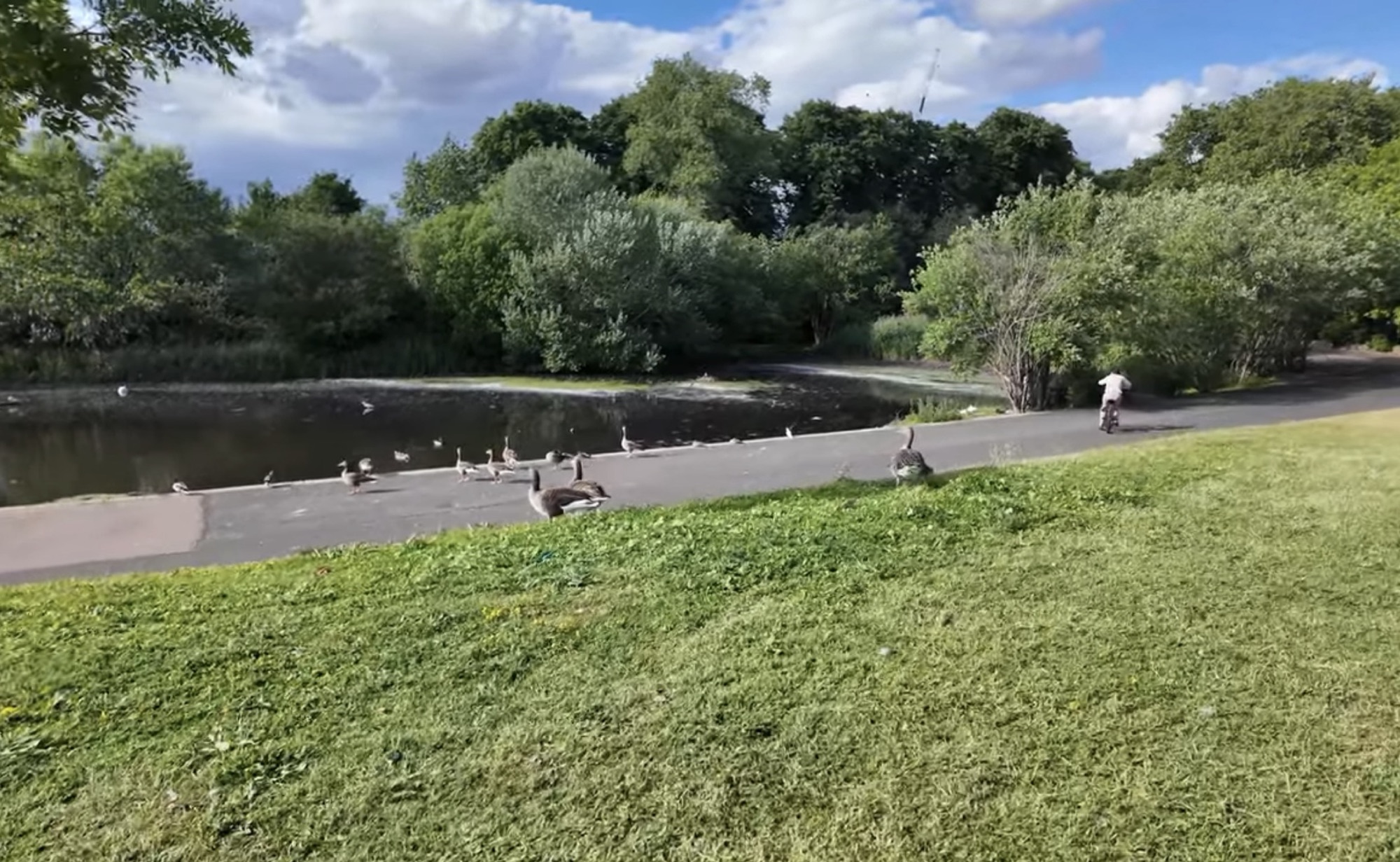
It was such a relaxing way to enjoy the park. The water was calm, the surroundings were peaceful, and it was nice just to sit on the boat and take in the scenery, with geese and other birds drifting along the banks nearby.
Magical Unicorn Lake · Prices
- Child, 20 min
- £5.00
- Child, 40 min
- £6.00
- Adult, 20 min
- £7.00
- Adult, 40 min
- £9.00
- Family, 20 min
- £22.00 (2 adults, 2 children)
- Family, 40 min
- £26.00
- Opening times
- 11:00am–7:00pm, seasonal and weather-dependent
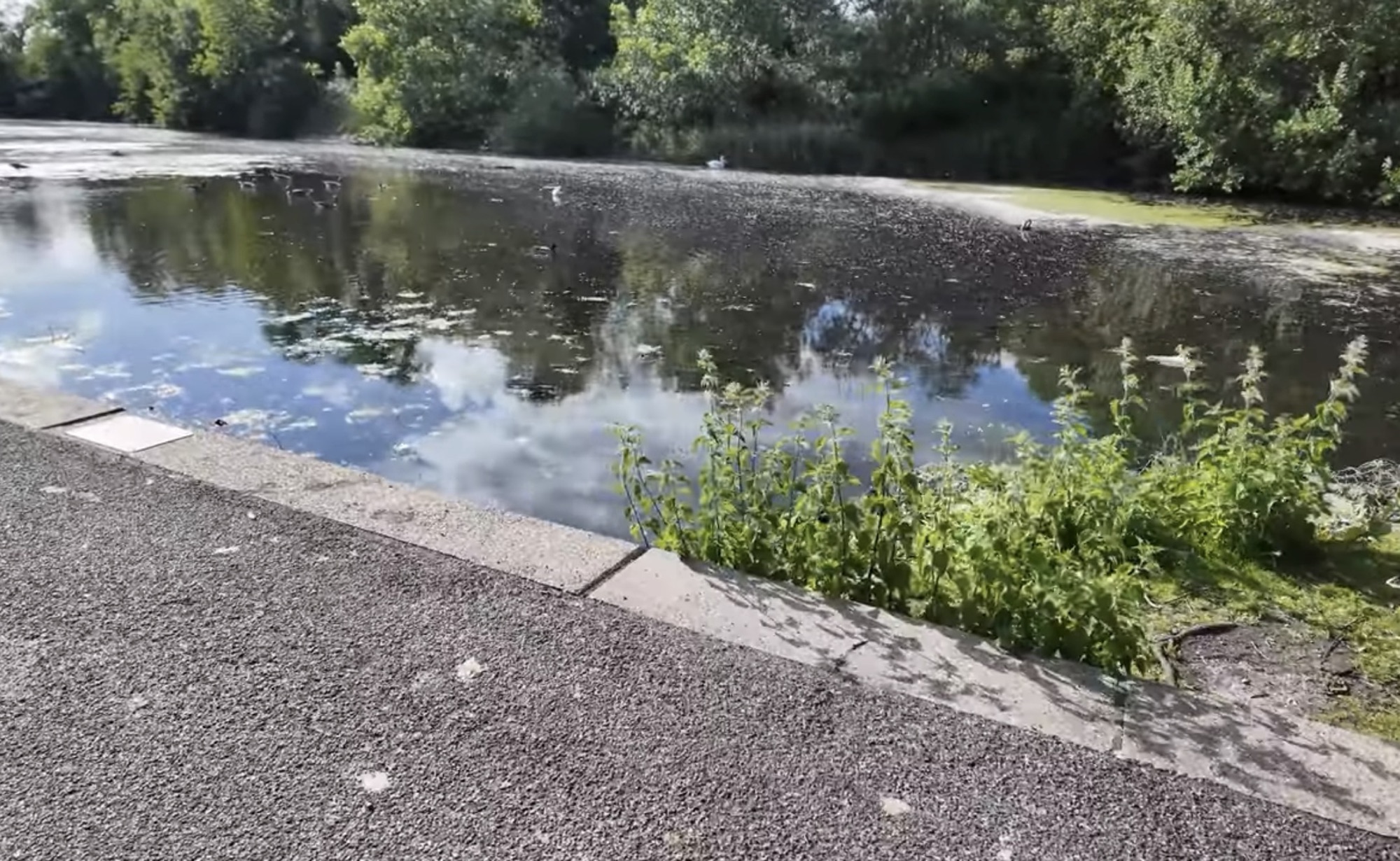
The shoreline itself is a bit wilder than you might expect for such a well-known feature, with nettles and reeds growing right up to the edge in places. It’s not manicured, but it suits the lake, and it clearly supports plenty of wildlife.
The Miniature Railway
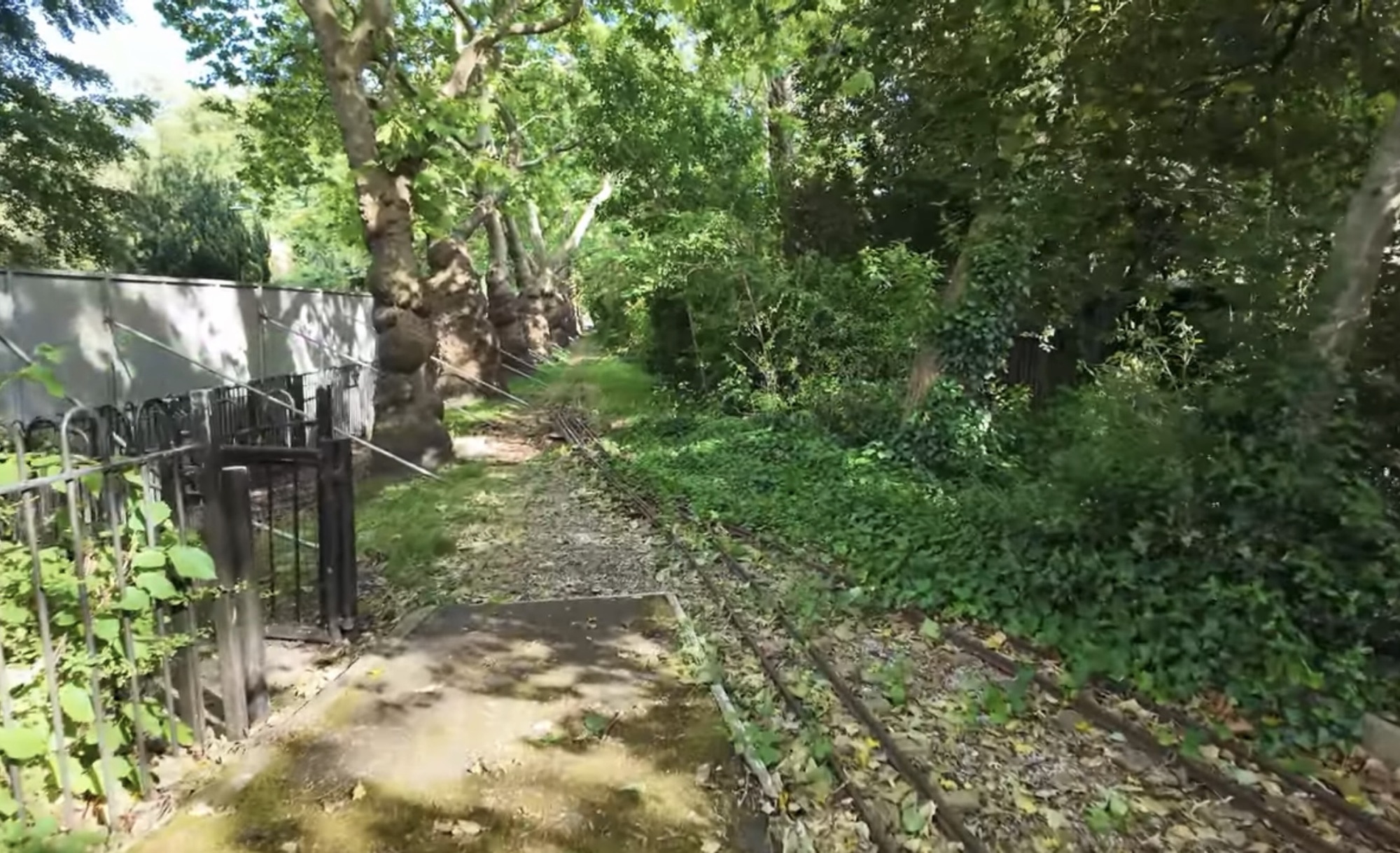
Barking Park also has its own miniature railway, running from near the main Longbridge Road entrance down to the boating lake. It’s been part of the park on and off since the 1950s, closing in the mid-2000s before being restored and reopened. It isn’t a daily attraction though, it currently runs on weekends from Easter to the end of September, plus Mondays during school holidays, so on an ordinary weekday morning the track was quiet, with the rails half hidden under grass and ivy.
Splash Park and Bounsea
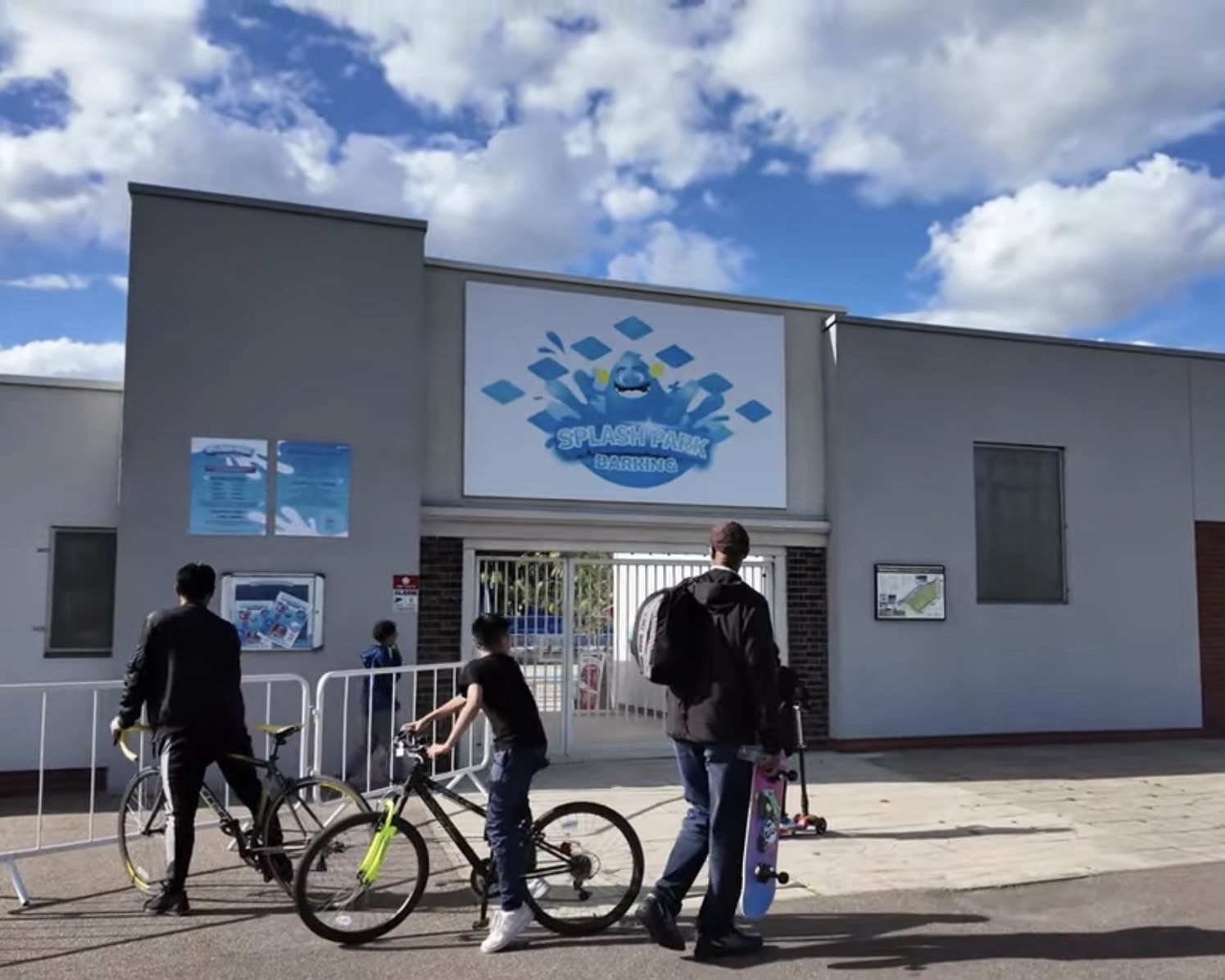
Closer to the Longbridge Road side of the park, there’s a separate water play attraction, Splash Park Barking, now run together with the Magical Unicorn Lake and an inflatable obstacle course called Bounsea under the name Splashy Land. It’s aimed at children aged roughly three to twelve, with timed sessions rather than free entry, and it only runs from around May to September, weather permitting.
Getting There
Barking Park sits about a 10-minute walk from Barking station, which is served by London Overground, c2c and the District and Hammersmith & City Underground lines, making it an easy trip from central and East London. From Whitechapel, it’s a direct run on the District or Hammersmith & City line, or c2c if you catch it from Fenchurch Street. Coming out of the station, it’s a short, mostly straight walk to the Longbridge Road entrance.
Transport
- Barking station
- Overground, c2c, District & Hammersmith & City lines; about 10 minutes on foot
- From Whitechapel
- Direct on the District or Hammersmith & City line to Barking
- By bus
- Several routes stop on Longbridge Road and East Street; check TfL for current routes
- By car
- Longbridge Road car park, IG11 8TA, entered through the main park gates; two hours free with pay-by-phone
Opening Times
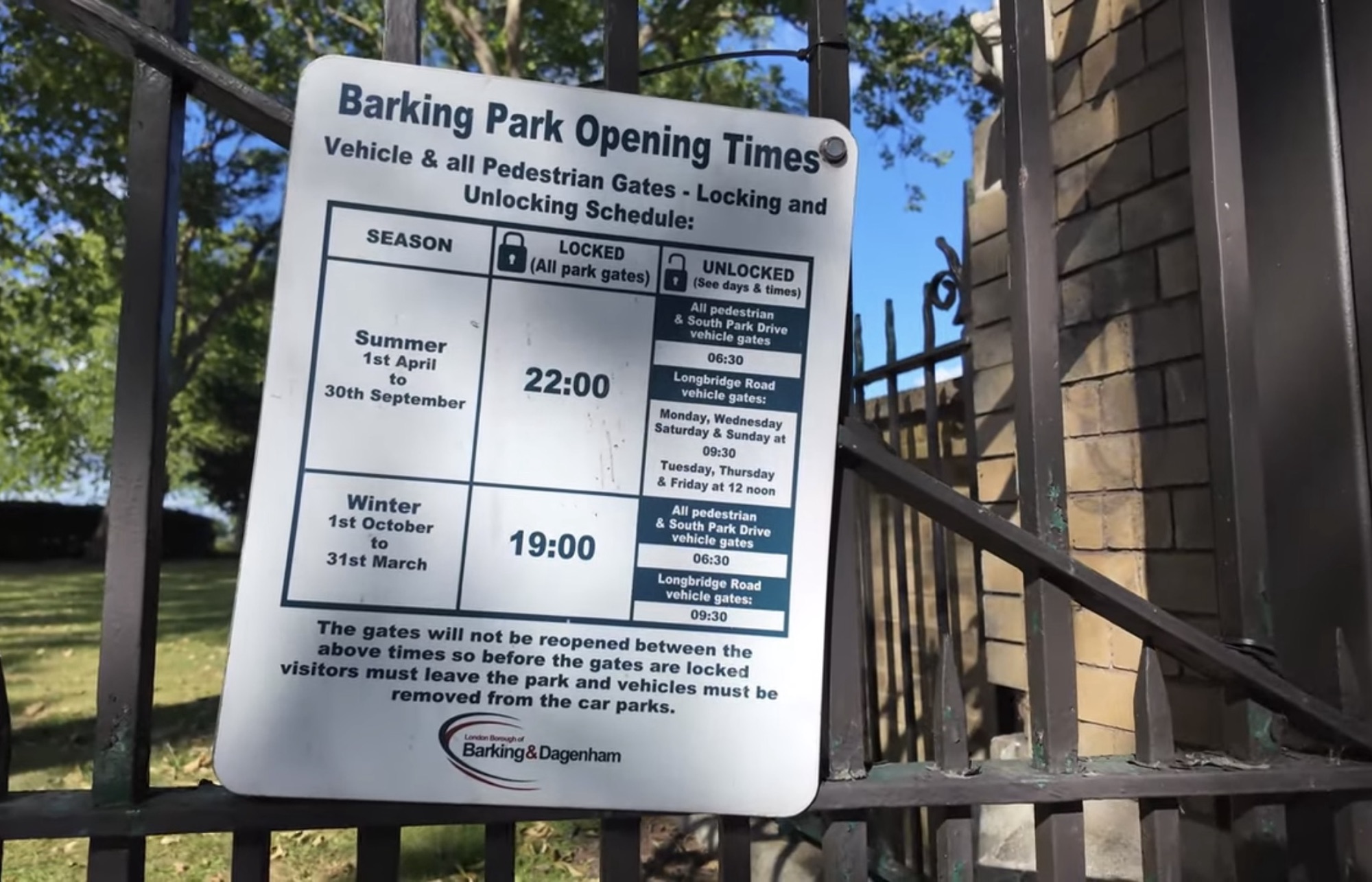
The park gates themselves follow a seasonal locking schedule rather than staying open around the clock, which is worth knowing if you’re planning to stay until later in the day.
Gate Times
- Summer
- 1 April–30 September, gates locked 10:00pm; pedestrian & South Park Drive vehicle gates unlock 6:30am
- Winter
- 1 October–31 March, gates locked 7:00pm; pedestrian gates unlock 6:30am
- Longbridge Road vehicle gate
- Unlocks 9:30am Mon/Wed/Sat/Sun, 12 noon Tue/Thu/Fri (summer); 9:30am daily (winter)
- Note
- Gates are not reopened once locked, so vehicles must be moved and visitors must leave before the locking time
Frequently Asked Questions
Is Barking Park free to visit?
Yes, the park itself is free to enter. Charges apply to the Magical Unicorn Lake boats, Splash Park, Bounsea, and some sports facilities.
Can you still row a traditional boat on the lake?
The current boat hire on the lake is the Magical Unicorn Lake, a fleet of unicorn-shaped pedal boats rather than traditional oar-powered rowing boats.
Is the miniature railway running every day?
No. The Barking Park Light Railway typically runs on weekends from Easter to the end of September, plus Mondays during school holidays, rather than daily.
How do I get to Barking Park by public transport?
Barking station is around a 10-minute walk away, with London Overground, c2c and the District and Hammersmith & City Underground lines all stopping there.
Is there parking at Barking Park?
Yes, there’s a car park off Longbridge Road (IG11 8TA), reached through the main park gates, with two hours free using the pay-by-phone app.
Is Barking Park good for a family day out?
Yes. Between the boating lake, splash park, Bounsea inflatable course, playground and open playing fields, it’s set up well for families, though the seasonal attractions are weather-dependent.
Barking Park has quite a lot going on, but for me it was the plaque by the gate, the quiet walk under the plane trees, and that half hour out on the lake that stood out. A great place for a walk, a relaxing morning outside, or a family day out when the water attractions are running. Thanks for reading, and I’ll see you on the next walk.
Steve
Written after a personal visit to the park. Photographs are original, taken on site. Facts about the park’s history, size, opening times, transport and the miniature railway, splash park and boat hire schedules were checked against the London Borough of Barking and Dagenham’s official park page: lbbd.gov.uk/barking-park and Splashy Land’s official site: splashyland.co.uk. Prices, hours and seasonal facilities can change, so check before a special trip.
Last checked: 12 September 2026.
Nearby guides: Valentines Park and Raphael Park
Author
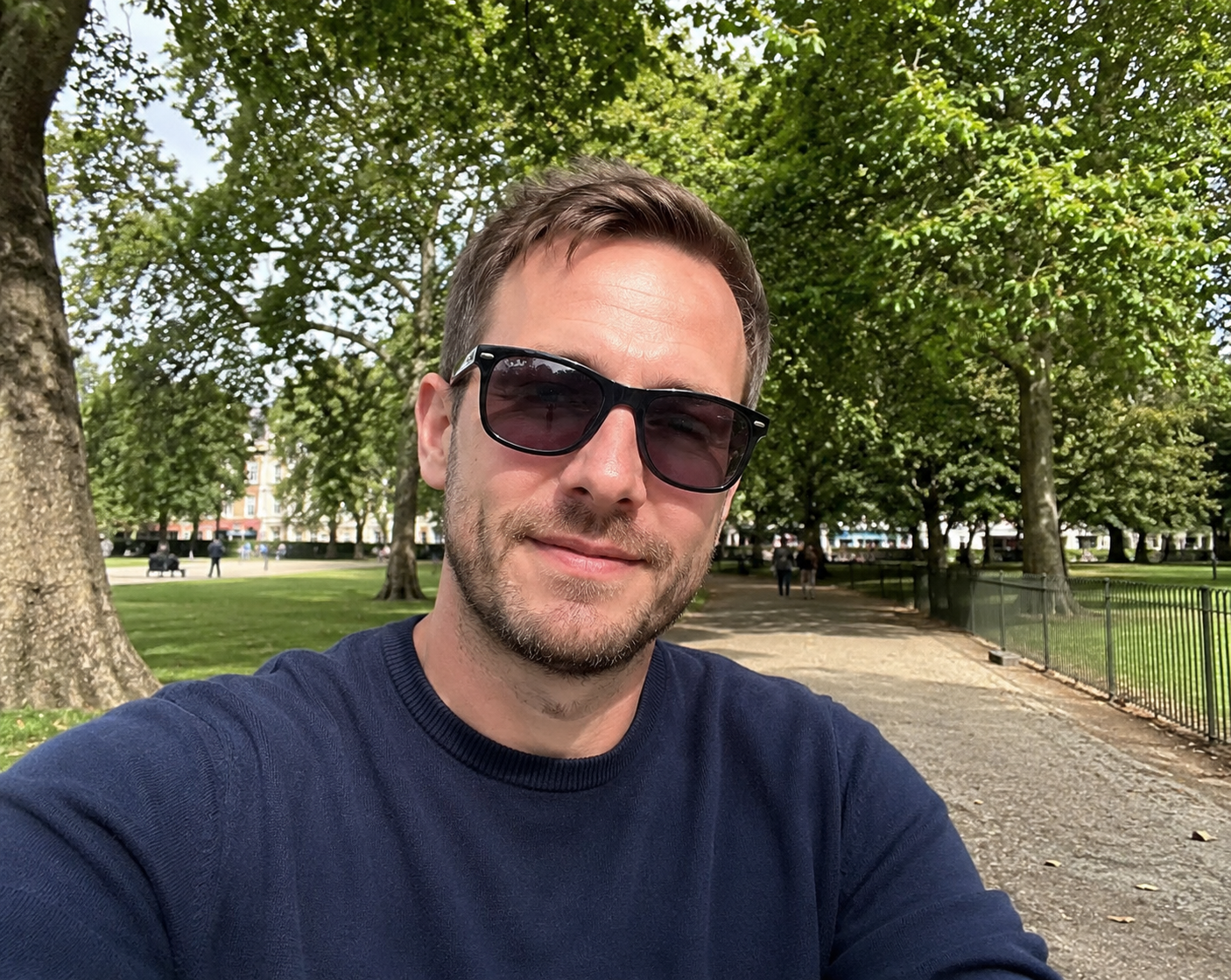
Steve visits every park featured on EKS Parks in person, checking practical details against councils, park operators and official sources. Every guide is based on a personal visit, and the photographs published with it are his own.
About Steve